

Updated January 2026: We have updated the article with the latest developments in AI-driven remote monitoring, wearable and robotic mobility aids, smart home integrations, virtual rehabilitation practices, and current regulatory changes including the repeal of minimum nursing staffing mandates and updates to CMS quality metrics.
Emerald Nursing Home: Understanding Quality and Care Options
When families embark on the search for senior care options, the branded search term “emerald nursing home” frequently directs them to Emerald Healthcare facilities. Operating primarily in Nebraska and Oklahoma, Emerald Healthcare has built a reputable track record for meeting the diverse and complex needs of elderly residents. These facilities are noted for providing vital support services, with an average of 3.6 nurse hours per resident daily, according to the Centers for Medicare & Medicaid Services.
Overview of Emerald Healthcare Nursing Homes
Emerald Healthcare commands a strong presence with its 12 facilities spread across Nebraska and Oklahoma, serving as a key provider of senior care in these states. Notable locations, such as Emerald Nursing & Rehabilitation Mercy, specialize in elder care, establishing Emerald as a pivotal player in Nebraska’s nursing home landscape. Comparing regional impacts, Nebraska hosts most of these facilities, reinforcing Emerald’s significant market footprint.
Emerald Healthcare’s service offerings are backed by data from credible sources like the ProPublica Nursing Home Database, which provides comprehensive insights into nursing home performance and quality metrics.
Quality Metrics and Performance Comparison
Selecting a nursing home involves analyzing key quality metrics such as nurse staffing levels and turnover rates. Emerald Healthcare facilities report an average nurse turnover rate of 64.1%, which is notably higher than the national average of 48.4%. Moreover, these facilities report an average of 0.8 serious deficiencies compared to the national average of 0.6, as documented by the ProPublica Nursing Home Database.
Financial penalties, reflecting compliance and quality concerns, are above average at Emerald homes, with penalties averaging $84,138 compared to the national average of $37,649. This information, highlighted by Medicare.gov Care Compare, underscores the need for diligent evaluation when selecting a facility.
Innovations in Assistive Technology and Resident Safety
The landscape of senior care has rapidly evolved with the adoption of AI-driven remote monitoring, wearable mobility aids, robotic exoskeletons, and advanced smart home integrations. Modern nursing homes, including those within Emerald Healthcare, now integrate AI-powered systems that enhance mobility, allow for remote tracking of resident well-being, and provide personalized safety monitoring. These innovations include AI-enhanced wheelchairs with features such as GPS navigation, collision avoidance, voice-activated controls, and app-based customization, promoting greater independence while enabling staff to monitor and adjust settings remotely. Wearable devices, such as fall detection and health status sensors, collect predictive analytics data to anticipate and prevent incidents Everything Medical Online, 2025.
The integration of smart home technologies within long-term care settings is now standard. Facilities employ voice-activated assistants, automated lighting, smart locks, and environmental sensors that detect movement, supporting daily routines and reducing fall risks. These solutions align with aging-in-place principles UnitedHealthcare Community & State, 2025; Care Patrol, 2025.
Telemedicine and remote patient monitoring (RPM) are central to current nursing home care models. These tools support continuous health tracking, enable real-time communication, and foster frequent virtual check-ins for managing chronic conditions. AI motion tracking and robotics-assisted rehabilitation now form core components of therapy, allowing residents to engage in virtual or hybrid strength training and recovery exercises in both facility and home environments. Such advances greatly support proactive, personalized interventions while optimizing staff allocation and care delivery American Medical Association, 2025; Heisinger Bluffs, 2025.
Recent adaptive rehabilitation and assistive devices are highly responsive, leveraging AI to adjust to user behavior and help residents regain function and mobility. The industry’s shift to person-centered, technology-enabled care enables more flexibility in staffing while automating routine tasks, with innovations such as robotics-assisted mobility further reducing fall risk and supporting independence Assistive Technology Industry Association, 2025.
Regulatory authorities have provided updated guidance to ensure the safe and effective deployment of AI-powered devices and smart technologies in senior care settings, with oversight standards that match the pace of innovation and prioritize resident safety.
Facility-Specific Analysis: Emerald Nursing Homes in Nebraska
Delving into their Nebraska locations, Emerald Nursing & Rehab Lancaster LLC presents specific challenges, with recent inspections revealing multiple serious deficiencies. These include citations for accident hazards and lapses in supervision, highlighting areas requiring remediation for enhanced resident safety. For further detailed inspections and compliance reports, refer to the ProPublica Nursing Home Database.
Cost and Financial Considerations for Emerald Nursing Homes
Understanding the financial aspects of choosing a nursing home is crucial. Emerald Nursing Homes, similar to other healthcare facilities, offer variable pricing according to the care level and services needed. Historical data, like those from the Emeritus at Emerald Hills, where monthly expenses in 2007-2008 reached $7,125 for a couple, provide insight into potential financial obligations, according to a PBS Frontline/ProPublica Investigation.
Recent regulatory changes and expanded reimbursement policies, as well as community-based initiatives, improve the affordability and accessibility of modern smart assistive devices, AI-enabled rehabilitation solutions, and remote monitoring technologies, benefiting seniors and individuals with disabilities. These advances aim to foster inclusive device deployment and innovative care models in nursing home and home care settings Next MSC, 2025.
While Emerald delivers essential services, assessing the available financial alternatives and understanding the implications of costs are vital steps in making informed decisions.
Regulatory Issues and Safety Concerns
Significant regulatory updates have occurred in 2026. The Centers for Medicare & Medicaid Services (CMS) have repealed the strict minimum staffing mandates established in 2024, eliminating the 3.48 total nurse hours per resident per day and the 24/7 registered nurse (RN) coverage requirements. Instead, the previous RN requirements (8 hours per day) have been reinstated, and facilities are now granted more flexibility to determine appropriate staffing according to resident needs and assessments. Emerald Nursing Homes can now emphasize the use of innovative, tech-supported care and flexible staffing strategies in response to evolving standards AHA News, 2025; CMS, 2026; Federal Register, 2025; Reed Smith, 2025.
Additionally, the CMS Five-Star quality rating methodology has been updated to incorporate the most recent survey cycles, the inclusion of new antipsychotic use data, and refinements in SNF payments (including expanded ICD-10 mappings under PDPM). Families should consider these updated quality and payment metrics alongside technology-enabled care and staffing innovations when evaluating long-term care facilities CMS, 2026.
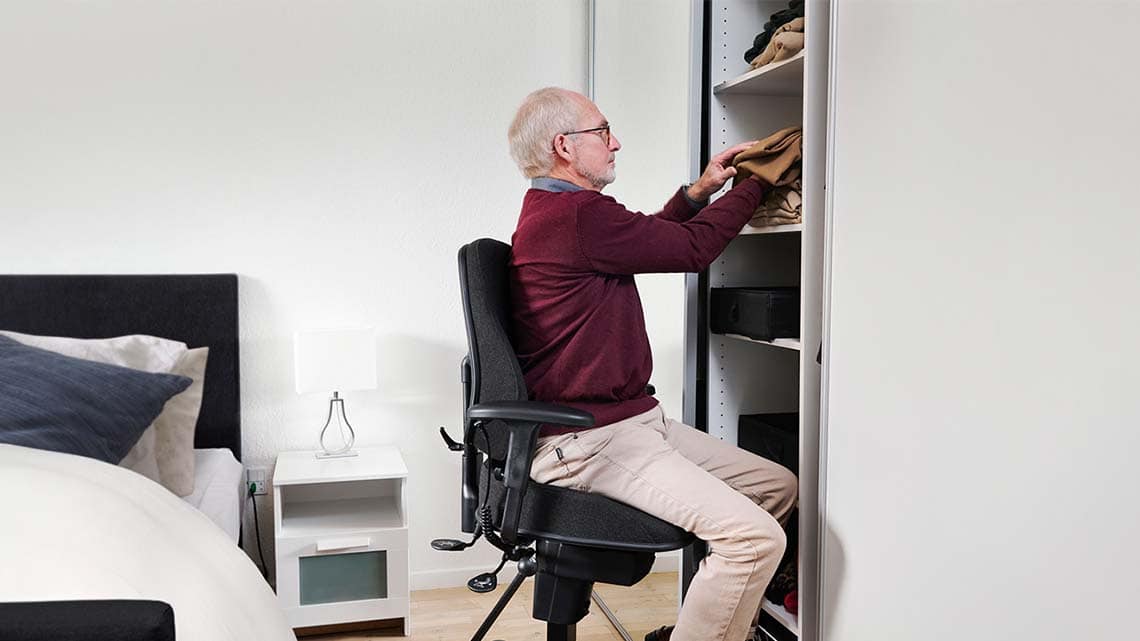
High nurse turnover and reported deficiencies at facilities may drive families to explore additional mobility support solutions for elderly residents when at home. Exploring possibilities like a VELA chair can be a valuable strategy for enhancing independence and safety in such environments. VELA is a medically approved mobility chair designed for home use, providing safety, freedom of movement while seated, and support for daily activities, such as cooking, dressing, or transferring—all while reducing the burden on informal caregivers.
References
- SynchronyFL, “The Future of Home Health Care: Trends to Watch in 2025” (2025-04-10)
- ButterflyMX, “Senior Living Technology Trends 2025” (2025-07-11)
- Heisinger Bluffs, “The Future of Senior Living: Trends in 2025” (2025-01-13)
- Everything Medical Online, “The Latest Trends in Mobility Aid Technology for 2025” (2025-05-30)
- UnitedHealthcare Community & State, “How enabling technology is transforming home-based care” (2025-08-11)
- Next MSC, “Disabled and Elderly Assistive Device Market | 2025–2030” (2025-05-20)
- McKnight’s Long-Term Care News, “Experts look ahead: Technologies that will help long-term care providers in 2025 and beyond” (2024-10-08)
- American Medical Association, “Health care technology trends 2025: AI benefits, wearable use” (2025-08-19)
- Care Patrol, “Embracing Technology: How Smart Home Devices Enhance Senior Living in 2025” (2025-06-05)
- Assistive Technology Industry Association (ATIA), “AT Innovations for Education, Employment, and Independent Living, Spring 2025″ (2025-05-18)
- AHA News, 2025
- CMS, 2026
- Federal Register, 2025
- Reed Smith, 2025