

Updated September 2025: We have updated the article with the latest advancements in AI-powered personalized care plans, smart home and access technologies, expanded telehealth integration, updated 2025 CMS regulations for nursing homes, and changes to the Nursing Home Care Compare rating system. These improvements reflect current standards for safety, independence, medication oversight, staffing, and technology-driven care in senior living.
Overview of Landmark Nursing Home Facilities
When considering the best environment for senior care, established facilities such as Landmark at Longwood in Massachusetts and those affiliated with Landmark Medical Center in Rhode Island are essential examples. These “landmark nursing homes” set a benchmark in providing unique services for their communities. Landmark at Longwood, located in the urban setting of Boston, offers 92 units, including specific units for low-income and specialized dementia care. This facility serves a diverse population, reflecting the community’s needs for both economic accessibility and specialized healthcare programs. According to Massachusetts Executive Office of Health and Human Services, only 20% of assisted living facilities in Massachusetts offer low-income options, highlighting the importance of facilities like Landmark at Longwood. Its counterparts in Woonsocket, Rhode Island, balance community healthcare and specialized needs, addressing the moderate-to-high community need index scores in the area as outlined in the Landmark Medical Center’s Community Health Needs Assessment.
Key Trends and Ratings in Local Senior Care
Understanding key trends and ratings in senior care is essential for family members and seniors to make informed choices. Quality ratings from Medicare and Medicaid establish the credibility of nursing facilities, reflecting factors such as staffing levels, inspection results, and overall service quality. According to Medicare.gov, these ratings align expectations with the level of care provided.
As of 2025, the Nursing Home Care Compare rating methodology has been updated, featuring more current survey data and the removal of certain COVID-related measures. These changes affect how quality and performance scores are calculated and publicly reported, providing greater transparency for families researching care options. Facilities must now demonstrate consistent quality improvements to maintain or improve their ratings, which directly influences consumer choice and drives higher standards across the industry. For more information on these updates, reference the Health Industry Washington Watch and Consumer Voice Summary of Revised CMS Guidance.
National nursing care occupancy rates climbed to 84.5% as of Q3 2024, reflecting the continued trust and demand for these facilities, as noted by the National Investment Center for Seniors Housing & Care (NIC). Despite this trust, the sector faces challenges, notably staffing shortages and substantial regulatory updates for 2025. The Centers for Medicare & Medicaid Services (CMS) have enacted new regulations focusing on resident rights, updated staffing requirements, psychotropic medication oversight, health equity, and more stringent controls on the use of medications for convenience sedation. Facilities must now strictly observe resident consent procedures and eliminate outdated compliance practices. Testimonials from current residents reveal that while some facilities successfully address these challenges, improvements remain crucial for providing superior care quality that not only meets regulatory standards but exceeds resident and family expectations.
Access, Affordability, and Special Services for Residents
Navigating the landscape of senior care often raises questions about access and affordability. Landmark facilities offer a range of options catering to varying financial situations, with costs ranging from $5,000 to $11,000. These homes provide essential services to seniors from different socioeconomic backgrounds. Innovations in care, such as specialized memory care units and supportive programs, reflect an ongoing commitment to enhancing resident life quality. As illustrated in the Landmark Medical Center’s Community Health Needs Assessment, such initiatives are vital for supporting communities with significant older adult populations. With Medicare and Medicaid often providing substantial funding, these programs ensure seniors have access to necessary care without prohibitive costs. Families have shared experiences demonstrating how affordability and innovative programs at these facilities have reshaped elder care, making it more inclusive and adaptable to individual needs.
In 2025, the senior care landscape now also commonly features assistive technologies that promote independence and safety for residents across all service tiers. AI-powered personalized care plans, wearable health trackers, and smart home automation have become standard, enabling continuous health monitoring, tailored support, and reduced reliance on staff for routine safety checks. Smart access control systems and building automation—such as smartphone-based door entry and cloud-managed security—enhance residents’ mobility and independence while improving operational efficiency within nursing homes. These innovations play a vital role in creating accessible, affordable, and adaptive environments for seniors and their families.
For more on these trends, see ButterflyMX, Senior Living Technology Trends 2025 and AKindHeart.info, Top In-Home Care Trends For Seniors in 2025.
Exploring Alternatives to Nursing Homes
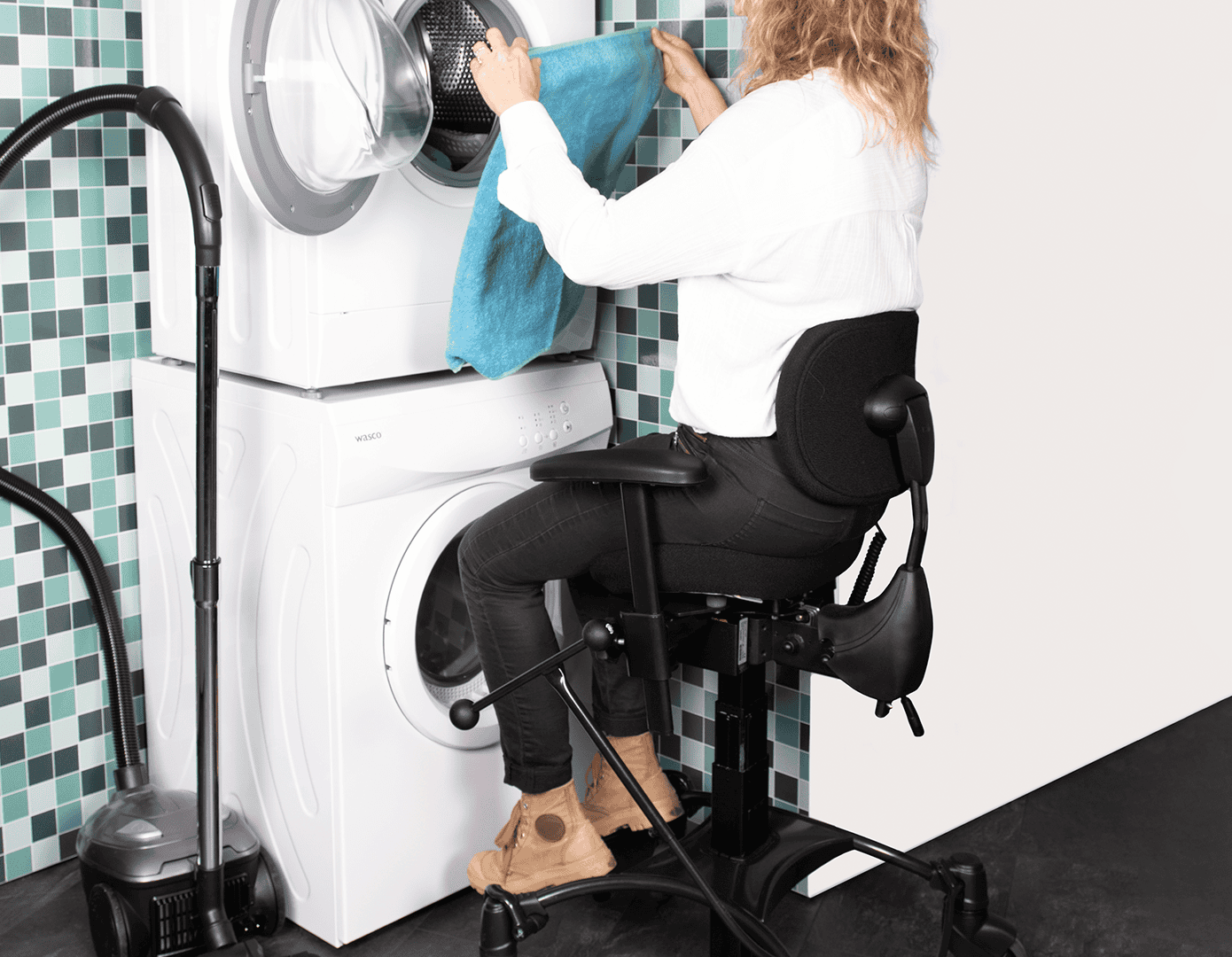
In the quest to remain independent longer, solutions like VELA Chairs are making significant impacts on how seniors live at home. These mobility chairs come equipped with features tailored to address safety, energy, and movement challenges, delaying the potential need for nursing home care. With a central brake system for added security, electric height adjustability, and smooth movement capabilities while seated, VELA Chairs ensure comfort and accessibility.
Imagine the enhanced quality of life this mobility support brings. A senior can seamlessly transition from preparing a home-cooked meal to comfortably engaging in leisure activities, all without sacrificing safety or requiring constant assistance. The chair’s support mitigates risks such as falls, documented by studies on Fall Prevention Strategies, proving vital in reducing fall-related incidents common among the elderly.
While VELA is not the sole solution, it embodies a practical move towards promoting independence and dignity for aging individuals. By enabling seniors to manage everyday tasks more efficiently, such innovations provide significant relief to caregivers and stand as a testament to advancing elder care possibilities, advocating for a proactive approach to aging in place.
References
- ButterflyMX, “Senior Living Technology Trends 2025”
- Sandberg Phoenix, “Major CMS Revisions to Nursing Home Surveyor Guidance”
- Health Industry Washington Watch, “Recent Legislative and Regulatory Updates for Long-Term Care Facilities”
- Consumer Voice, “Summary of Revised CMS Guidance for Surveyors”
- AKindHeart.info, “Top In-Home Care Trends For Seniors in 2025”
- Harvard Business Review Healthcare Blog, “The Future of Senior Living: Trends to Watch in 2025”
- Skilled Nursing News, “Top Skilled Nursing Trends for 2025”