

Updated September 2025: We have updated the article to include key changes in CMS nursing home regulations and rating systems taking effect in 2025, new trends in assistive technology for mobility and rehabilitation, enhanced health equity requirements, and recent user feedback on assistive devices such as the VELA Independence Chair.
Navigating Kenwood-Branded Nursing Homes
Choosing the best care facility for your loved one can be daunting, especially when evaluating Kenwood nursing homes. It’s crucial to leverage authoritative resources to make informed decisions. This article explores the reputation and operational metrics of Kenwood-brand facilities, supported by authoritative sources such as the Centers for Medicare & Medicaid Services (CMS) and ProPublica.
Exploring Kenwood-Branded Nursing Facilities Across States
Kenwood nursing homes are established across multiple states in the United States, offering varying levels of care and services. The Kenwood Health and Rehabilitation Center in Richmond, Kentucky, boasts a 93-bed capacity, notable for its management practices and an average occupancy rate of 85 residents. According to ProPublica, this facility provides staffing levels close to the state average, despite a nurse turnover rate of 46.5%. Personal testimonials frequently highlight clean environments and attentive staff, critical for families prioritizing hygiene and personalized care.
Conversely, the Kenwood View Healthcare and Rehabilitation Center in Salina, Kansas, is identified as a Special Focus Facility (SFF), requiring significant improvements due to ongoing quality challenges. This status is backed by data from the CMS SFF Program, which tracks facilities with persistent quality issues. It operates under a for-profit model, potentially influencing quality, staffing, and resident care practices.
Other Kenwood locations include Kenwood Terrace Healthcare Center in Cincinnati, Ohio, and Kenwood Village Nursing and Rehabilitation Center; however, detailed data on these facilities remain scarce. Utilizing resources like Medicare.gov Care Compare can help uncover more about these facilities’ standards and care practices.
Understanding Quality Ratings and Performance Metrics
The CMS Five-Star Quality Rating System offers a crucial evaluation framework. According to CMS, this system combines data from health inspections, staffing levels, and quality measurements to create an overall rating out of five stars. Starting July 2025, the rating methodology is being revised to reflect only the two most recent standard surveys, rather than three, and the weighting of survey cycles will be adjusted to better represent current performance. CMS will also begin publishing chain-level performance data to increase transparency in decision-making for families and care providers.
Kenwood facilities generally align with state averages; however, some show discrepancies, especially in staffing metrics, which can impact the rating and residents’ quality of life. Understanding these metrics ensures families make informed decisions about their loved ones’ care quality.
References: Health Industry Washington Watch, AHCA/NCAL.
Evaluating Ownership and Management in Kenwood Facilities
Ownership and management significantly affect a nursing home’s care quality. Both the Kenwood Health and Rehabilitation Center and Kenwood View Healthcare and Rehabilitation Center operate under for-profit models, often linked with a focus on financial efficiencies potentially affecting care quality. According to ProPublica, the Richmond, Kentucky location has multiple owners, including significant stakeholder Benjamin Landa with a 44% share, influencing strategic operations decisions.
Staffing Levels, Regulatory Compliance, and Resident Care at Kenwood Nursing Homes
Staffing levels are vital for high-quality resident care. Kenwood facilities generally maintain staffing levels meeting state averages yet face higher nurse turnover rates. At Kenwood View Healthcare, the nurse turnover is especially concerning at 69.2%, notably above the state average, according to ProPublica. This turnover can lead to inconsistencies in care quality and resident satisfaction, emphasizing the need for thorough staff assessments when selecting a facility.
Recent CMS regulatory updates effective April 2025 require nursing homes to meet stronger staffing requirements, with increased oversight on staff qualifications and availability. There are now enhanced policies regarding resident transfers and discharges, as well as more stringent restrictions on psychotropic medication usage, aiming to prevent unnecessary sedation and safeguard resident rights. Furthermore, CMS now mandates that facilities incorporate health equity analysis in their Quality Assurance and Performance Improvement (QAPI) programs, requiring root cause review of disparities in care outcomes based on race and socioeconomic status.
References: Sandberg Phoenix, Consumer Voice, Hall Render.
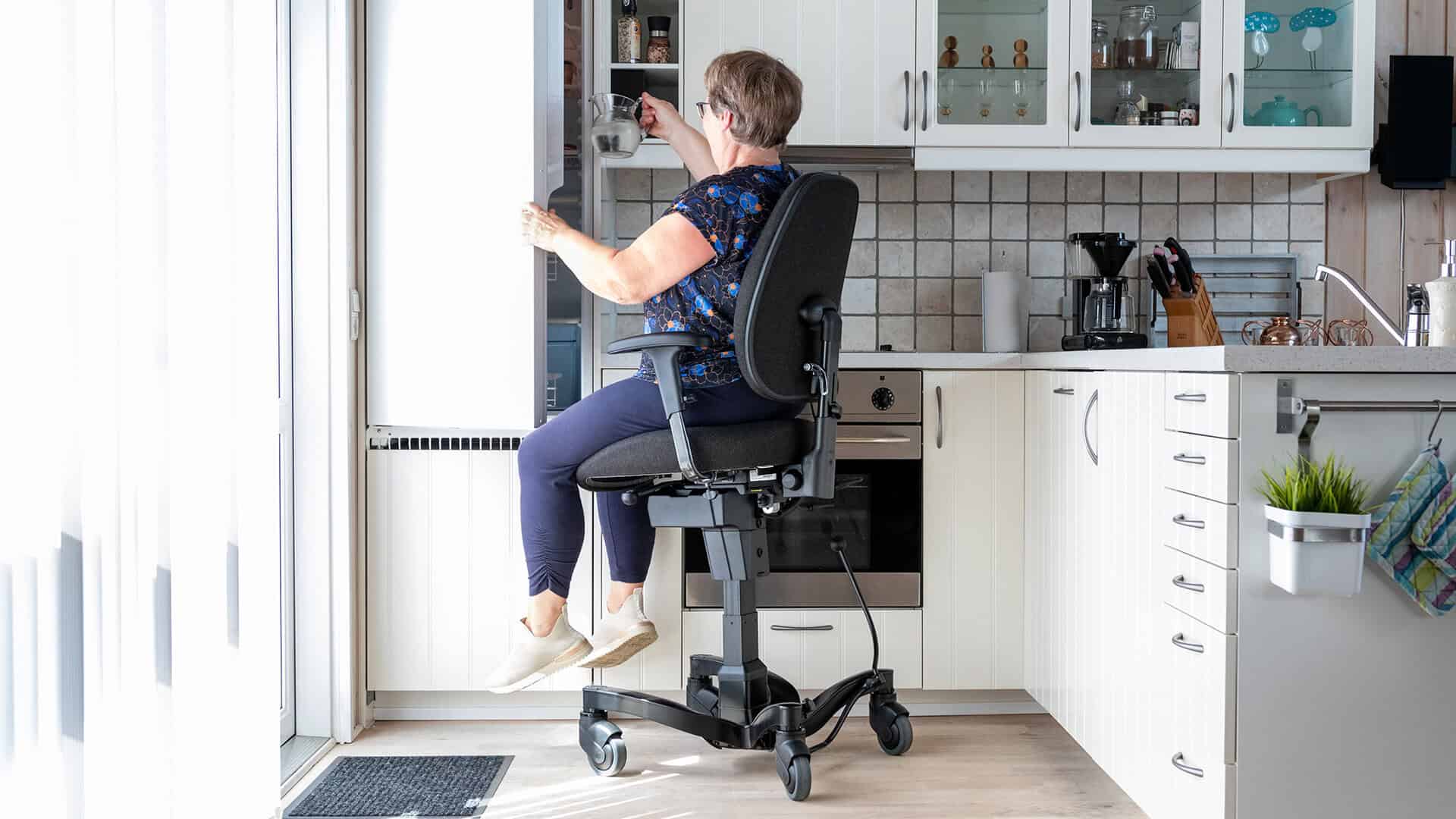
Given these evolving standards and ongoing staffing challenges, many families consider solutions that allow their elderly loved ones to thrive independently at home. This shift provides a personalized care environment and leverages technological aids like the VELA Independence Chair to maintain freedom and safety within home settings. VELA offers enhanced safety, freedom of movement while seated, and assistance with everyday activities like cooking, dressing, or transferring—thereby reducing physical demands on informal caregivers.
Innovations in Assistive Technology and Rehabilitation
Since mid-2025, there has been greater adoption of ergonomic design and inclusive product development in assistive devices for aging and disabled adults. New-generation powered mobility aids increasingly feature safety sensors such as fall detection and pressure relief, directly supporting resident autonomy and reducing burden on caregivers. In nursing home and home care environments, smart home adaptations and sensor-based technologies are increasingly utilized to further enhance safety and convenience.
Rehabilitation practices are also evolving to include technology-augmented therapies. Facilities now implement personalized programs combining robotics, sensor feedback, and virtual reality solutions, aiming to optimize recovery and functional outcomes while promoting independence.
User feedback reflects rising satisfaction with these integrated assistive solutions, especially those products that balance resident safety, freedom of movement, and ease of use—attributes exemplified by the VELA Independence Chair for home care applications.
Reference: Industry trends as documented in recent CMS and professional publications, and Meyland-Smith.
Supporting Aging in Place: A Practical Option
VELA Chairs help sustain older adults’ independence longer in their own homes, addressing safety concerns and assisting with daily tasks that might otherwise necessitate nursing home care. Key features include a central brake system for stability and electric height adjustability for safe transitions between home activities, such as cooking or reaching items. The ease of movement while seated conserves energy, benefiting both the user and their caregivers by reducing physical strain. Integrating practical solutions like the VELA Chair can delay or avoid the need for nursing home placements, promoting dignity and autonomy in aging. Though VELA is among several aids available, its proven design underscores its role in fostering a safer, more independent home life for the elderly.