

Updated February 2026: We have updated the article with the latest advancements in AI-powered assistive devices, including predictive wearables, edge AI for safety, smart health monitoring, AI-driven gait analysis, personalized data-driven care, telehealth models, and regulatory trends in ethical AI adoption for nursing home and home-based elder care. This update brings new insights on proactive mobility support, fall prevention, and increased autonomy for seniors.
Exploring Willow Park Nursing Homes: Providing Comprehensive Care for Seniors
Selecting a nursing home for your loved one is a significant decision that requires careful consideration and thorough research. Among the myriad of choices, facilities such as the Willow Park Rehabilitation and Care Center in Texas and Willow Park Health Care Center in Oklahoma stand out for their commitment to elderly care. Here, we delve into the offerings of these institutions and the pivotal elements to consider during your selection process.
Navigating the landscape of nursing homes
Nursing homes play a crucial role in providing a blend of skilled care and rehabilitation services to seniors who need daily medical support. These facilities are staffed with healthcare professionals who offer round-the-clock care, ensuring that residents not only receive medical attention but also enjoy a comfortable living environment. According to Seniorly, nursing homes like the Willow Park Rehabilitation and Care Center are equipped to provide comprehensive services encompassing everything from rehabilitation therapies to personal care.
The landscape of nursing homes and senior care has recently advanced with the integration of intelligent, adaptive technologies. Many modern facilities now feature AI-powered mobility aids, such as smart wheelchairs and walkers equipped with GPS, voice control, collision avoidance, health monitoring, and the ability for remote customization via mobile apps. These technologies enhance safety, autonomy, and independence for residents Everything Medical Online, PMC.
Recent developments since 2025 have led to the adoption of AI-driven remote monitoring and predictive analytics, utilizing wearables and edge AI for ambient safety. New devices, such as AI-powered smart health monitors and advanced gait analysis tools, can proactively detect changes in mobility, predict fall risk with greater nuance than basic accelerometers, and support earlier interventions AANP, K4Connect, Provider Magazine, McKnight’s Home Care. Smart environmental features like auto-shutoff stoves and adaptive lighting support ambient safety, while toilet-based devices enable early detection of certain diseases.
In choosing the right nursing home, it is essential to assess factors such as location, cost, and the variety of services offered, as these can significantly impact the quality of life for your loved ones. Factors such as proximity to family, which can facilitate frequent visits, play an important role in maintaining the emotional well-being of the resident.
Essential factors in choosing a nursing home
When evaluating nursing facilities, considering ratings, staffing, and quality measures is critical. According to Medicare.gov, these metrics offer insights into a facility’s capability to provide high-quality care. Facilities with high ratings and well-qualified staff are often better equipped to handle various health situations and provide personalized care for residents.
Increasingly, nursing homes are adopting digital health solutions to elevate the quality of personalized care. Wearable and portable monitors, including AI-driven sensors, now proactively manage resident health conditions and reduce avoidable hospitalizations by tracking and reporting vital signs, movements, and pressure risks in real time. Advanced smart beds and care environments can detect movement and automatically reposition residents to prevent falls or pressure ulcers. These innovations directly improve safety and comfort in both nursing homes and home care settings Western Governors University, Archive Market Research.
Emerging platforms now integrate residential health data for each individual, enabling caregivers to identify deviations from personal movement or health baselines and respond more quickly. These unified data systems, showcased in recent technology exhibitions, support ergonomic and inclusive design by adapting care to each resident’s needs K4Connect.
Location and cost are also crucial considerations. For example, Willow Park Rehabilitation and Care Center, renowned for its 24/7 skilled medical care, covers a wide array of rehabilitation services and is strategically located to serve a broad region. Caring.com mentions that potential costs can often be greater than $6,000 monthly for comprehensive nursing care, highlighting the importance of aligning financial capabilities with the chosen facility.
Navigating the complex landscape of nursing homes, such as Willow Park’s, often reveals challenges like balancing comprehensive care with independence and personal freedom for residents. This balance is increasingly supported by technology-driven solutions that enable older adults to maintain a greater level of independence. Recent health policy shifts, including regulatory updates and government-supported initiatives, now promote the adoption of digital and AI-powered assistive technologies, emphasizing data privacy and digital literacy support for elderly users in both facility and home settings UnitedHealthcare Community & State, Mindbowser.
There is heightened attention to ethical AI integration and best practices for non-invasive monitoring, aligning technology adoption with current standards for healthy aging Trust Home Care.
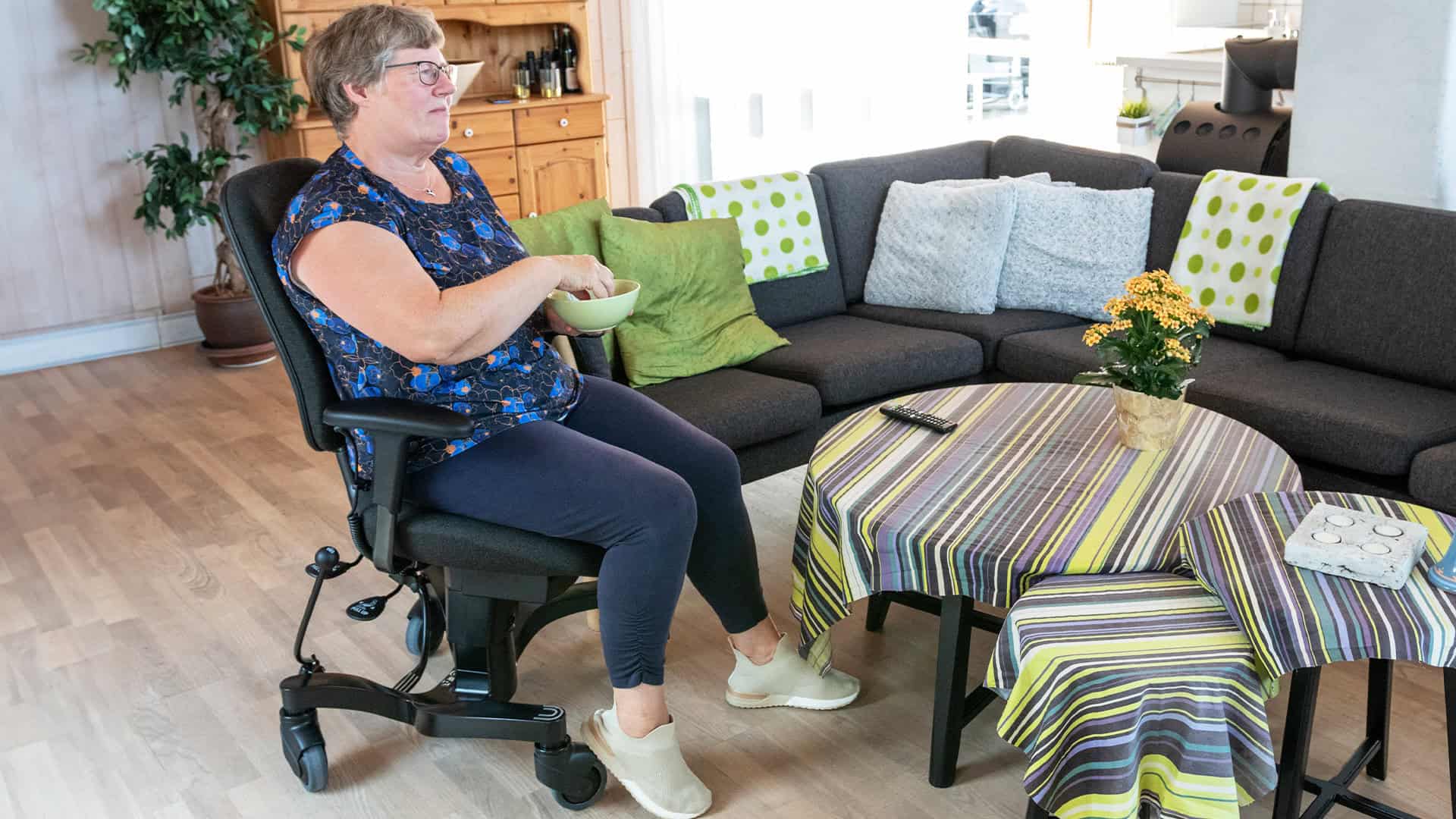
The VELA Independence Chair — a medically approved mobility chair — is an example of a solution that remains relevant for improving mobility and reducing caregiver burden.
In-depth look at Willow Park nursing homes
Willow Park Nursing Home in Willow Park, TX, and Willow Park Health Care Center in Lawton, OK, present distinct characteristics and offerings. The Willow Park Rehabilitation and Care Center in Texas is well-regarded for its 24/7 skilled medical care, which may include services such as physical therapy, occupational therapy, and speech therapy. This ensures that residents receive continuous support aimed at improving their physical capabilities and overall well-being. Data from Medicare.gov and ProPublica highlight the facility’s commitment to maintaining a competent staff, crucial for high-standard care delivery.
Facilities like Willow Park are keeping pace with leading trends by adopting AI-powered aids and interactive digital technologies to enhance resident autonomy, engagement, and personalized care. Many facilities now offer smart wheelchairs, telemedicine access for remote physician consultations, and digital tools for resident engagement—including video calls, streaming, and even virtual reality experiences—which support cognitive stimulation and social connectedness among residents Everything Medical Online, PMC.
New trends in 2026 include the implementation of AI-powered longevity stations, telehealth and “hospital at home” models for high-acuity care, and caregiver AI support tools that address staffing shortages while maintaining proactive supervision Trust Home Care, Provider Magazine.
Digital assistive technologies tailored for people with dementia, such as memory aids and AI-powered cognitive support systems, are increasingly used to enhance independence and reduce psychological distress both in nursing homes and for community-dwelling seniors PMC.
Conversely, the Willow Park Health Care Center in Oklahoma, though providing core nursing home services, faces challenges particularly in customer service and resident activities. User reviews on Caring.com emphasize the need for improvements, shedding light on the areas where enhancements can be made to better meet resident expectations and improve satisfaction.
Concluding thoughts on Willow Park nursing homes
In summary, the Willow Park facilities in Texas and Oklahoma offer valuable insights into the complexities of choosing a suitable nursing home. While these centers deliver foundational care and necessary medical support, their individual strengths and potential areas for improvement are evident. Balancing these considerations with innovative solutions such as VELA chairs, AI-powered aids, smart monitoring, and digital resident engagement tools presents a comprehensive approach to senior care.
Adopting the latest advances in predictive AI, integrated data platforms, non-invasive monitoring, and proactive environmental adaptations is increasingly recognized as best practice in the industry AANP, K4Connect, Trust Home Care, Provider Magazine, McKnight’s Home Care.
Ultimately, while nursing homes remain integral to elderly care, exploring alternative or supplementary solutions—such as smart home adaptations, remote and real-time health monitoring, digital assistive technologies for dementia care, and AI-enhanced mobility devices—can significantly elevate the standard of living for seniors. The inclusion of enabling technology benefits in health plans and evolving regulatory guidelines further supports customized assistive solutions that help seniors maintain autonomy at home and in facilities. Integrating both traditional and cutting-edge technologies ensures a balanced and enriched environment for our aging loved ones Synchrony Home Health Care, UnitedHealthcare Community & State, Mindbowser.
Staying independent at home with support
The VELA Independence Chair exemplifies how modern mobility solutions can enhance the quality of life for seniors who choose to age at home instead of moving to a nursing facility. Alongside these chairs, smart home technologies—including automated lighting, voice-activated hubs, AI-powered fall detection systems, and health monitoring devices—enable older adults to live with greater confidence, safety, and autonomy. By offering features like a central brake for safety, electric height adjustability, real-time health monitoring, and ease of movement while seated, VELA chairs and other intelligent adaptive technologies reduce reliance on others, help manage energy levels, and maintain dignity within the home setting. This combined support empowers seniors to remain self-sufficient longer and may delay or reduce the need for institutional care. The chair’s support in activities such as cooking, relaxing, and dressing continues to make it a practical tool to support independent living, while smart technologies and digital monitoring—now often enhanced with artificial intelligence—broaden the spectrum of proactive, personalized care Mobility Solutions for Seniors, Archive Market Research, AANP, K4Connect, Trust Home Care, McKnight’s Home Care.