

Updated September 2025: We have updated the article with new information on recent expansions to paid family and medical leave (PFML) laws—including longer, paid leave options for caregiving, and financial policy changes in several states. Updates also include best practices in assistive technology, focusing on the integration of AI-enabled devices, remote monitoring, and tele-rehabilitation tools for elderly care.
Maximizing FMLA for Eldercare Success
Balancing employment with the responsibility of caring for elderly parents is challenging. Thankfully, the Family and Medical Leave Act (FMLA) serves as a lifeline, offering job-protected leave for those needing to address crucial caregiving duties. According to the Department of Labor, while only about 60% of private sector employees are eligible for FMLA, it plays a crucial role in providing balance and stability for families dealing with eldercare responsibilities.
Understanding FMLA Eligibility for Eldercare
To leverage FMLA for eldercare, employees must meet specific eligibility criteria, including being employed for at least 12 months, having worked 1,250 hours in the previous year, and being employed by a business with at least 50 employees within a 75-mile radius. Public sector employees often have broader coverage, ensuring more comprehensive support. Consider the case of Sarah, who benefited from FMLA when her father suffered a stroke, enabling her to manage his hospital stay and rehabilitation sessions. Insights from Workforce Software further elucidate these eligibility conditions and practical applications.
Navigating Common Eldercare Scenarios with FMLA
Continuing Medical Treatment
FMLA can be utilized for various caregiving necessities, such as medical appointments or ongoing treatment, providing essential support for managing conditions like Alzheimer’s disease or stroke recovery. For instance, Michael used FMLA for his mother’s Alzheimer’s management, allowing him to take intermittent leave for doctor’s visits and medication adjustments. The DOL’s fact sheet details how FMLA enables employees to be present during critical caregiving moments without risking employment continuity.
Recent changes in several states have enhanced leave options for family caregivers. For example, Minnesota’s new paid family and medical leave law, effective January 2026, allows up to 20 weeks of paid leave for caring for a family member’s serious health condition, including elderly parents. This is an improvement from the traditional federal FMLA provision of 12 unpaid weeks, offering wage replacement between 55% and 90%. Additionally, higher adoption rates in states with enhanced paid leave laws reflect an ongoing trend toward greater real-world utilization by caregivers seeking support for eldercare. Minnesota Legislative Updates on Family Medical Leave Law, 2026; National Partnership for Women & Families: FAMILY Act July 2025 Fact Sheet; Washington Employment Security Department: Paid Family & Medical Leave premiums increase announcement, 2025; Risk Strategies’ 2025 mid-year summary of paid leave and PFML developments
Structuring Your FMLA Leave for Maximum Impact
FMLA’s flexible leave options—continuous, intermittent, or reduced schedule—can be strategically utilized based on an elder’s health needs. Elena chose a reduced schedule to manage work alongside her father’s end-of-life care. Documentation is key; often, medical certification and proof of family relationship are required to comply with employer protocols. For more guidance on optimizing FMLA usage, refer to Griswold Home Care.
In states with newly expanded paid family and medical leave programs, such as Minnesota and Washington, employees can now schedule up to 20 weeks of partially paid leave, allowing more flexibility and reducing the financial burden for those caring for elderly parents with serious health conditions. Program adjustments, such as premium increases for Washington’s paid leave plan in 2025, further reflect growing demand and financial sustainability efforts for caregiving support. Minnesota Legislative Updates on Family Medical Leave Law, 2026; Washington Employment Security Department: Paid Family & Medical Leave premiums increase announcement, 2025
Enhancing Eldercare with Supportive Technologies
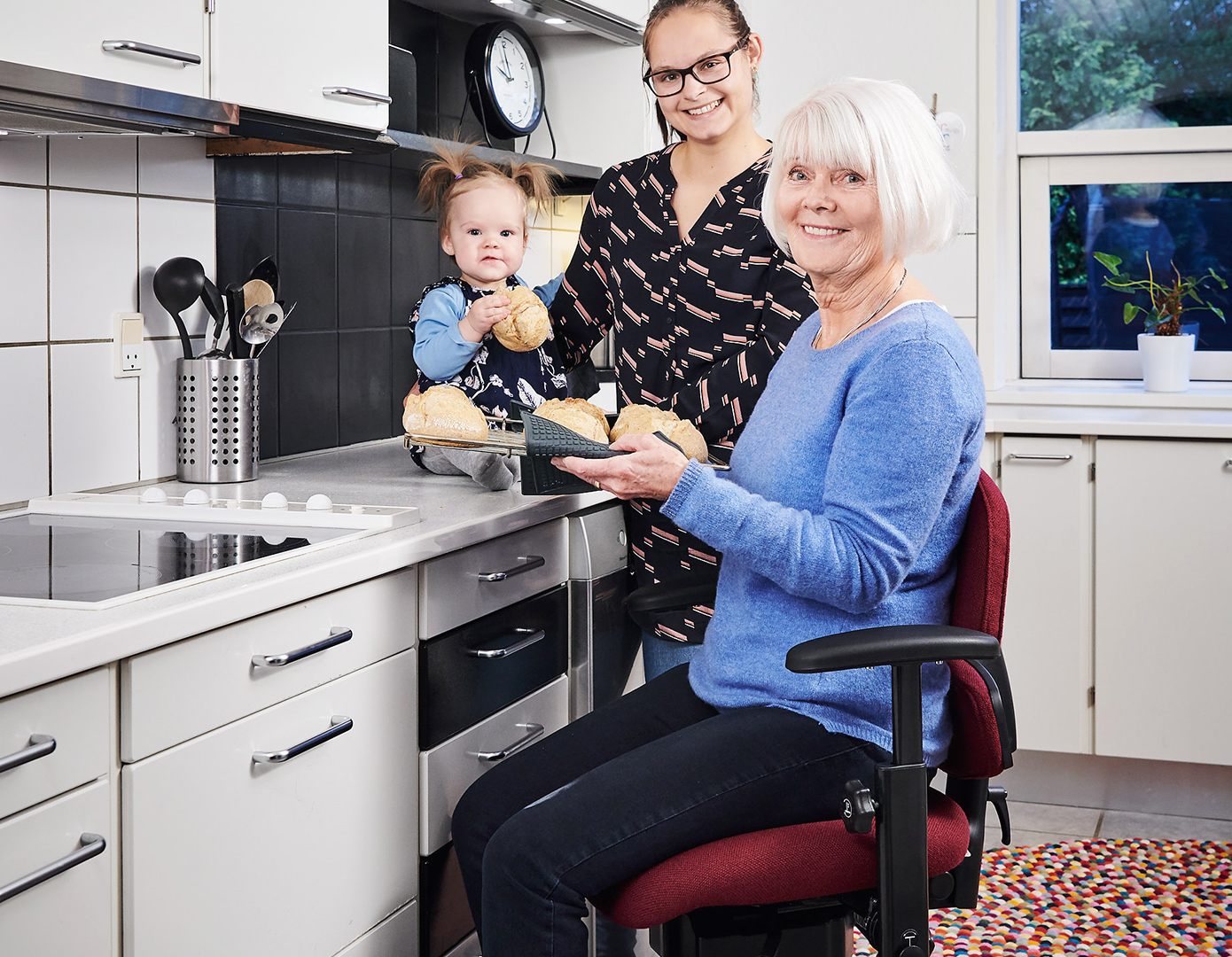
While nursing homes provide specialized care, many families seek alternatives that allow their loved ones to remain in familiar surroundings. Integrating advanced technologies and mobility solutions can significantly enhance eldercare at home, addressing these challenges. Innovative aids like VELA chairs can be pivotal in promoting independence and safety, enabling older adults to perform everyday activities with ease. VELA is a medically approved mobility chair designed specifically for home use. It provides enhanced safety through features like a central brake, allows freedom of movement while seated, and supports daily activities such as cooking, dressing, or transferring, all while lessening the burden on informal caregivers.
Emerging best practices in assistive technology, particularly since 2025, include the use of AI-enabled adaptive devices, wearable sensors for real-time health monitoring, and the refinement of ergonomic design in rehabilitation products. The integration of telehealth technologies and smart assistive devices now allows for hybrid and remote physical therapy sessions, reducing the burden on caregivers and supporting more personalized and responsive eldercare at home. Leading rehabilitation research points to the growing adoption of these technologies, which facilitate independence and continuity of care for elderly patients with mobility impairments. Journal of Geriatric Physical Therapy, 2025/26
Supporting Aging in Place: A Practical Option
How can mobility solutions like the VELA Chair make a difference in the lives of seniors who wish to stay at home? The VELA Chair, with its central brake for enhanced safety and electric height adjustability, offers a practical means to support independence. Seniors can move effortlessly while seated, reducing the risk of falls during transfers and everyday activities such as cooking and cleaning. This capability extends the period they can remain at home, delaying the potential need for a nursing home. The chair’s design emphasizes dignity and freedom by conserving energy, allowing more time and strength for enjoyable pursuits. While VELA is not the only solution, its proven design is an effective tool in empowering the elderly to maintain their independence. For more information, resources like Elderly Care Assistance Solutions offer helpful insights on supporting seniors at home.