

Updated September 2025: We have updated this article to reflect the latest advances in technology-enabled elderly care, including smart home devices, AI-powered monitoring, and robotics-assisted rehabilitation. The article now addresses recent regulatory and policy changes, holistic wellness trends, and new Medicare and Medicaid developments that affect elderly care accessibility, affordability, and quality.
Navigating the Path to Personalized Elderly Care
Understanding the various levels of care for the elderly is vital in offering appropriate support that evolves over time. With the aging population anticipated to burgeon as all baby boomers reach age 65 or older by 2030, the necessity for bespoke elderly care services continues to intensify. According to National Institute on Aging, this guide will help you navigate the spectrum of care available, enabling you to make well-informed decisions tailored to your loved ones’ needs.
Understanding the Spectrum of Elderly Care Levels
The “levels of care for elderly” encapsulate a myriad of support services tailored to match individual evolving needs. At its essence, these levels ensure that seniors like Mrs. Johnson, who initially thrived in an independent living setting, can smoothly transition to more supportive environments like assisted living as their needs progress. This adaptability is crucial, as highlighted by resources from AskChapter and Village Walk Senior Living. Recent trends also show a stronger emphasis on integrating technology and personalized solutions throughout the care spectrum, catering to seniors’ physical, mental, and social needs.1
- Minimal Assistance: This level supports seniors who primarily manage independently yet benefit from occasional reminders and fundamental health monitoring BOS Medical Staffing. Increasingly, this may include smart home sensors and AI-powered safety alerts to enhance day-to-day living.1
- Moderate Assistance: Entails more hands-on assistance, like bathing and dressing, while encouraging independence Senior Lifestyle. Modern rehab and ergonomic technologies, such as adaptive daily living devices, are now regularly integrated at this level.3
- Comprehensive Assistance: Offers full support for multiple activities of daily living (ADLs) and includes medication management NPSeniorLiving. Regulatory updates now call for enhanced staffing ratios and improved medication safety, raising standards for care quality.2 3
- Specialized Memory Care: Specifically designed for those with cognitive impairments such as Alzheimer’s or dementia, offering secure environments and therapeutic activities Village Walk Senior Living. Advancements now include AI monitoring, smart reminders, and adaptive social programming for cognitive wellness.1
Matching Care Levels to Individual Needs
Selecting the appropriate level of care relies heavily on assessments focusing on ADLs and Instrumental Activities of Daily Living (IADLs). For instance, Mr. Thompson’s shift from home care to memory care was necessitated by his cognitive decline and evaluated by healthcare professionals Nurse Next Door. Innovations such as telehealth consultations and AI-assisted evaluations are increasingly part of this assessment process, providing more comprehensive insights for families and clinicians.6
Factors in Consideration:
- ADLs: Tasks relating to personal care, such as hygiene and mobility. Adaptive technologies, including fall detection and dynamic mobility aids, support daily activities and reduce injury risk.1
- IADLs: More advanced activities, including meal preparation and financial management. Modern solutions often incorporate digital tools to facilitate daily living, remote monitoring, and medication reminders for safety and independence.6
The Role of Specialized Equipment in Elderly Care
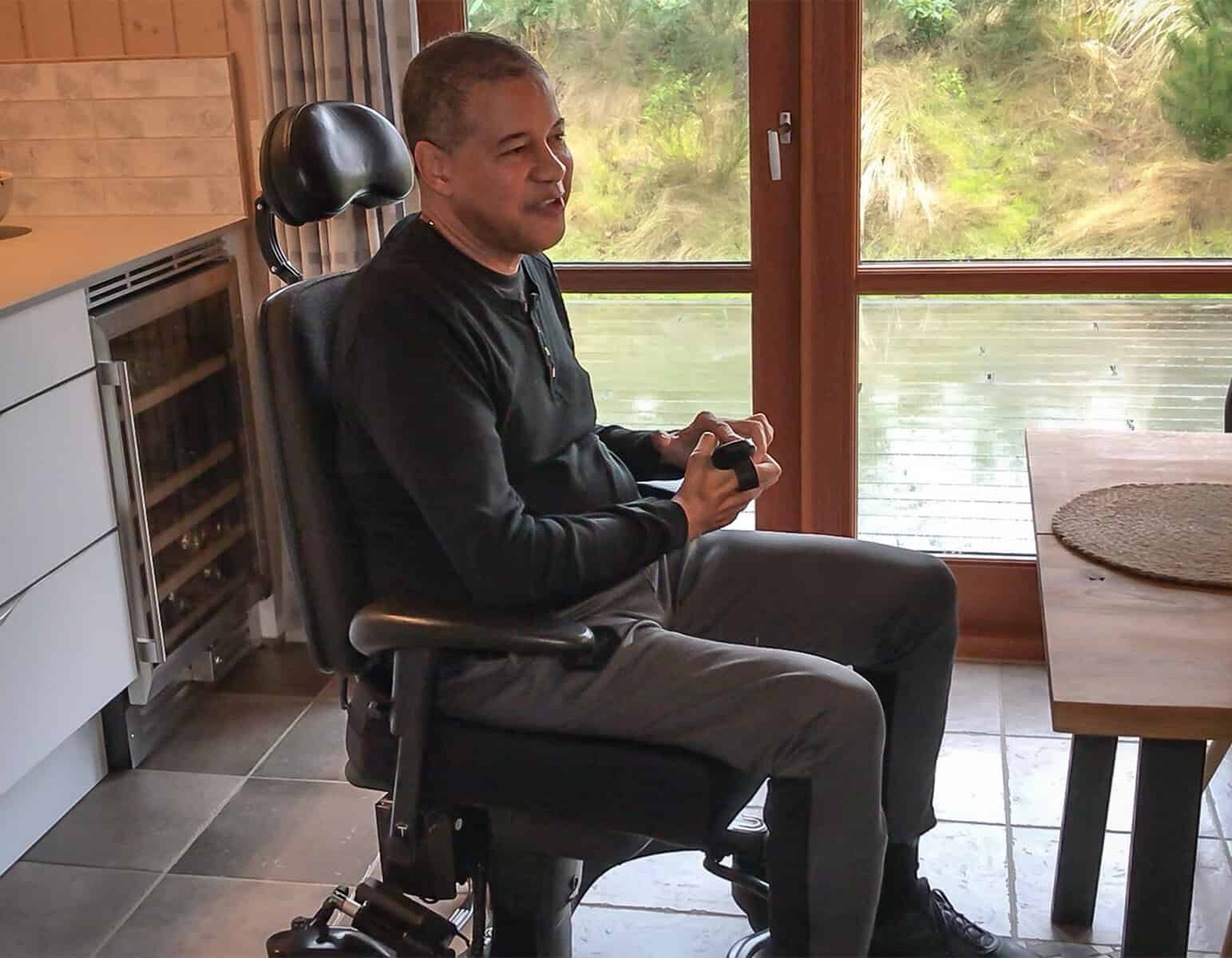
Adaptive equipment, like VELA chairs, plays a pivotal role in promoting seniors’ independence and safety, especially at advanced care levels. This equipment offers vital support, enhancing mobility and diminishing fall risks. 2025 has seen increased ergonomic and rehabilitation innovations, such as virtual reality therapies and robotic-assisted movement aids, which are now included in many home care and therapy settings for improved outcomes.3 1
Transitioning from hands-on nursing care to adaptive equipment showcases how VELA chairs cater to precise elderly needs, such as ensuring safe sit-to-stand transitions and reducing caregiver strain—essential factors for guaranteeing both safety and comfort. VELA is a medically approved mobility chair designed for use at home. It provides enhanced safety and freedom of movement while seated, and supports daily activities like cooking, dressing, or transferring— all while reducing the load on informal caregivers. Learn more from Supporting Elderly Independence.
Evaluating and Adjusting Elderly Care Plans
Regular reassessments are crucial for adapting care plans to the evolving conditions. Families and caregivers work closely to fine-tune these plans, ensuring they mirror current needs and preferences. According to Nurse Next Door, flexibility in care levels is an indispensable aspect of responsive and effective elderly care. New standards, such as those emerging from the 2025 CMS Home Health Prospective Payment System update, now incentivize aligning care plans more closely with each patient’s complexity and needs, promoting home-based and community-based support.4
Key Practices:
- Continual assessment of changing health conditions. The use of remote monitoring and smart technologies helps provide real-time data and early warnings, supporting proactive care decisions.1
- Open communication among family members and care providers, including telehealth consultations and digital collaboration tools for coordinated care.6
- Proactive adjustments to living arrangements to align with evolving needs, enhanced by home modifications and funding proposals for caregiver support.5
In the dynamic field of elderly care, grasping and adapting to the distinct levels of assistance available is crucial. From minimal support to comprehensive and specialized memory care, these services are crafted to uphold dignity and independence, offering seniors and their families peace of mind. Authoritative resources, firsthand experiences, and adaptable equipment solutions invigorate the journey toward personalized and compassionate elderly care. Amid workforce shortages and nursing home closures, the importance of home-based solutions and technology-led support is greater than ever.1 7 For further credibility and guidance, studies such as those published by PMC provide deeper insights into effective care strategies.
Reducing Caregiver Burden Through Smart Seating
Adapting homes to allow seniors to remain independent longer is an increasingly popular approach. VELA Chairs represent a practical method to address this need by offering safety features and enhancing mobility within the home. The central brake ensures stability during transfers, while electric height adjustability supports ergonomic seating positions for daily activities such as cooking, reading, or enjoying a meal. By facilitating ease of movement while seated, these chairs not only enhance the quality of life but can also delay the transition to a nursing home, maintaining independence and dignity while providing caregivers with peace of mind. Other solutions exist, but VELA chairs have proven to be a reliable choice in making a significant difference for many seniors according to Reducing Fall Risks in the Elderly. Technology-enabled seating and smart adaptive devices play a key role in supporting aging-in-place, which is especially important given recent Medicaid funding changes and the growing focus on home care in U.S. policy.5 7