

Updated January 2026: We have updated the article with the latest developments in AI-powered predictive analytics, ambient intelligence technologies, advanced robotics for mobility, voice-based care companions, and new trends in personalized and preventive elderly care. The update highlights recent CES 2026 innovations, the shift toward individualized, technology-integrated solutions, and advances in caregiver support and fall detection.
Elderly Care Technology: Revolutionizing Senior Living
In recent years, the dynamic field of elderly care technology has been instrumental in enhancing the quality of life for seniors. As society continues to age, innovations in this sector are not merely trends—they are necessities for ensuring the safety and independence of older adults. According to the CDC, falls remain the leading cause of injury-related death among individuals aged 65 and older, underscoring the vital role technology plays in mitigating these risks. By incorporating assistive devices and digital health platforms, this article seeks to elucidate the transformative impact these innovations have on senior care.
How modern technology is transforming elderly care
Technology has dramatically transformed elderly care, offering unprecedented opportunities for safety and self-reliance. From remote health monitoring systems that keep track of vital signs in real-time to digital platforms facilitating everyday tasks, technology enhances interactions between seniors and their caregivers. According to AgeTech Market Overview 2025, technologies such as AI-enhanced sensors have revolutionized fall detection, moving the focus from wearable devices to comprehensive environmental monitoring. Increasingly, AI-powered assistive technologies—including smart home systems, adaptive robotics, and multi-sensor environmental solutions—are making care more personalized and responsive to seniors’ needs.[3]
Recent advances have introduced AI-driven predictive analytics and virtual assistants, delivering personalized medication reminders and using room sensors, radar, heat, and video to detect falls and adjust environments proactively.[8]
Multi-modal AI interfaces now incorporate gesture controls and environment sensing, which, along with voice and touch, help users with varying abilities better interact with technology.[10]
Cutting-edge developments in AI and machine learning now enable systems to proactively predict potential health declines by analyzing behavioral and health data, allowing for intervention before crises occur.[1][2][5] Real-time care plans are now tailored to the individual’s preferences and history, with predictive analytics deployed in home monitoring systems able to recognize subtle health changes and potential issues—such as nutritional deficiencies or urinary tract infections—before they escalate.[5][8]
A case study highlights a senior named John using telehealth services to manage his chronic conditions, which significantly improved his health outcomes and reduced hospital visits, illustrating the real-world benefits of adopting such technologies.
Top technologies shaping elderly care in 2025
As we look towards 2025, several technologies are poised to dominate elderly care. Wearable devices continue to offer invaluable health metrics, while smart home solutions integrate seamlessly to address mobility and safety challenges. Fall detection systems, evolving with AI and machine learning, offer sophisticated responses to fall risks, a critical issue amongst the elderly. Enhanced non-wearable solutions now utilize AI with sensor fusion (radar, video, and heat sensing) to detect falls and intervene in real time, improving risk identification in senior living environments.[3]
AI-powered fall detection algorithms have made significant strides, with new systems in 2026 dramatically reducing false alarms by adapting to individual gait and movement patterns, thereby boosting user trust and adoption among seniors and their families.[2][5][8]
Additionally, next-generation environmental monitoring, robotics featuring adaptive learning for personalized support, and telehealth platforms are increasingly integral. Recent advancements have strengthened remote patient monitoring (RPM), with wearables and connected devices continuously tracking vital signs, movement, and sleep, enabling proactive health interventions and reducing hospitalizations.[10]
Now, ambient intelligence—technology operating in the background—has emerged, encompassing features like stoves that automatically power down when unattended, adaptive lighting that learns movement patterns, and climate controls that adjust to both occupancy and the individual’s physiological cues, preventing incidents without requiring user engagement.[5]
Rehabilitation practices have advanced, incorporating AI-driven personalized therapy plans and remote monitoring to optimize recovery and independence.[13]
The Senior Care Technologies Market Forecasts suggest significant growth in these markets, anticipating technological solutions that enhance seniors’ independence.
Modern advancements include the introduction of AI-powered voice companions such as Luna, which offer medication reminders, conversation, cognitive support, and social engagement—all while monitoring the environment passively to support safety and independence.[5] Smart bathroom and biometric systems now automate health analysis through devices like toothbrushes and toilets, detecting underlying conditions and streamlining care.[5]
Robotic aids and virtual companions now not only provide practical help—such as automated pill dispensers and cleaning—but also support social interaction, which is shown to be effective in reducing loneliness and improving overall well-being.[12][5]
Breakthroughs at CES 2026 demonstrated robotic exoskeletons, wheelchair lifts, and autonomous wheelchairs that enable transfers, indoor navigation, and item retrieval with minimal manual intervention, providing both independence and reducing caregiver burden.[5]
Testimonials from caregivers echo these advantages, showing how such technologies contribute to a safer and more manageable caregiving environment.
Navigating the costs of elderly care technology
Investing in elderly care technology is a practical consideration for many families, and understanding the costs involved is crucial. While some technologies come with a hefty initial cost, options offer financial feasibility for various budgets. According to BCC Research, the elder care market’s financial landscape is expanding, with innovative cost-effective solutions becoming available. For instance, fall detection sensors range from $30 to $200 per month, highlighting both affordable and premium solutions. With technology ownership rapidly increasing among adults aged 50 and over—67% purchasing tech in the past year[5]—wider adoption is possible, though challenges in design inclusivity remain, as only 59% feel tech is age-appropriate. The latest trends show that regulatory agencies and healthcare providers are prioritizing inclusive co-design, interoperability, and data privacy to encourage smarter and broader adoption.[11]
Recent technology showcases have emphasized digital equity and inclusive design as foundational to next-generation products, ensuring solutions address the needs of diverse populations and do not exacerbate disparities.[5] Adoption barriers persist, including reimbursement alignment and the need for more robust clinical outcome data showing the effectiveness and quality-of-life improvements for these technologies.[5]
A heartwarming story tells of the Thompson family investing in technology that enabled their grandmother, Mary, to age gracefully in place, reaffirming the tangible benefits of these investments.
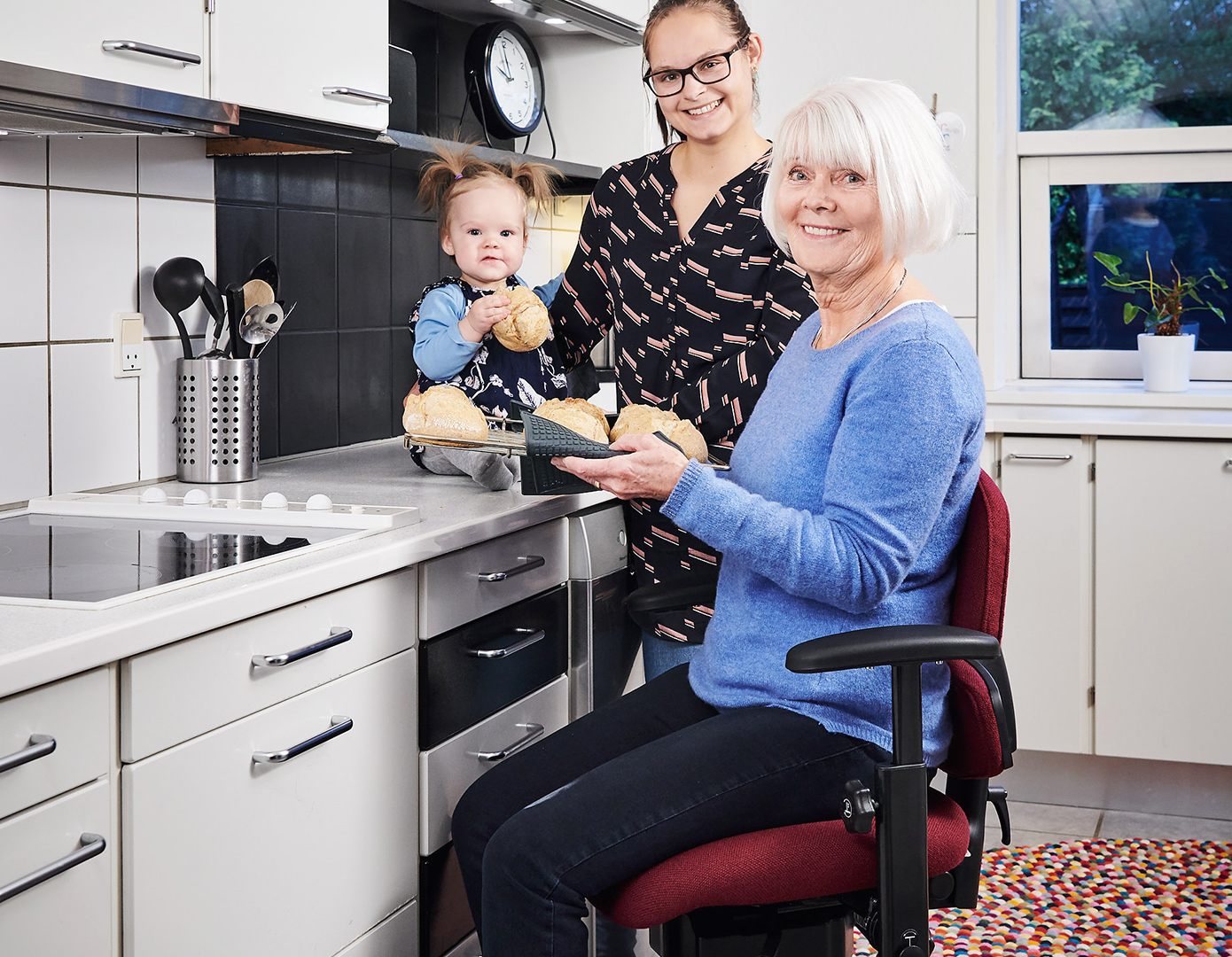
Transitioning from the challenges often faced in nursing homes, where the environment can sometimes limit personal freedom, to enhancing independence within the comfort of one’s home is crucial for many seniors. This is where innovative mobility solutions like the VELA Independence Chair play a vital role. The VELA chair is a medically approved mobility device specifically designed for home use, offering enhanced safety and ease of movement. It provides the necessary support for daily activities such as cooking, dressing, and transferring, significantly reducing the load on informal caregivers while fostering a sense of autonomy.
Enhancing mobility and safety with assistive devices
Assistive devices play a crucial role in promoting mobility and preventing falls among seniors, two primary challenges in elderly care. The VELA chair, in particular, addresses these needs by providing adjustable height and secure wheel features, which are pivotal for independence. Transitioning from typical nursing home technologies, mobility aids like VELA chairs offer a user-friendly solution to aid daily living activities. As device design evolves, today’s leading solutions prioritize inclusive, multi-modal interaction—enabling seniors to operate technology using voice, gesture, touch, and AI conversational interfaces, tailored to their abilities and preferences.[3][5][10]
Robotic assistive devices demonstrated at CES 2026, such as exoskeletons and wheelchair lifts, now offer enhanced support for safe transfers and mobility training, accommodating both users and caregivers by reducing physical demands and promoting dignity.[5] Autonomous robotic wheelchairs now provide safe indoor navigation and can perform simple retrieval tasks, expanding the scope of independence for seniors with mobility challenges.[5]
By linking to fall prevention strategies, VELA chairs emphasize the importance of ergonomic design in elderly care. According to the VELA Chair Independence Seating Guide, these chairs are not only supportive but encourage autonomy by facilitating safer transportation within the home.
As elderly care technology continues to evolve, it promises innovative solutions with the dual aim of improving care and reducing costs. From remote monitoring systems to smart mobility aids, these technologies cater to diversified needs, allowing seniors to enjoy a more independent lifestyle. Recent market trends reveal a surge in smart home connectivity, telehealth, and companion robotics supporting activity, medication adherence, and mental well-being.[1][2][6][14]
Current regulatory guidance and industry collaboration guidelines emphasize the importance of interoperability, co-innovation, and data security in new solutions.[11]
Recommendations from authoritative sources like the CDC and the AgeTech Market Overview 2025 reinforce the necessity of integrating technology into elderly care. As we navigate this digital landscape, these innovations not only present opportunities but also challenges that need addressing—most notably, expanding digital literacy, inclusive design, and healthcare integration initiatives are being prioritized by regulators and policymakers to increase adoption and support.[5]
Supporting aging in place: a practical option
The introduction of mobility solutions like the VELA Chair can significantly extend the period seniors can remain at home safely and independently. Designed with safety and ease of use in mind, features such as central brakes, electric height adjustability, and easy movement while seated directly address common challenges like fall risks and lack of energy. Support for aging in place is further strengthened by AI-driven personalized therapy plans and remote rehabilitation tools that optimize recovery and maintain independence.[13]
New passive ambient intelligence systems and assistive robotics—demonstrated in 2026—support safety, functional independence, and ease caregiving tasks, while voice-based AI companions help address social isolation and medication management at home.[5] For seniors, having such innovative aids in place not only elevates their ability to perform daily activities like cooking and cleaning but also reinforces their dignity and sense of freedom. By delaying the transition to nursing homes, options like the VELA Chair provide a proven, practical approach to supporting aging in place, alongside other valuable solutions in the market. Mobility Solutions for Fall Prevention contribute significantly to this goal, offering both peace of mind and improved quality of life.