

Updated September 2025: We have updated the article to reflect new advancements in AI-enhanced assistive devices, smart mobility aids, intelligent home adaptation systems, and next-generation health monitoring solutions. The latest developments in adaptive product design, regulatory support, and holistic technologies are now highlighted, aligning with current best practices in elderly care.
Caring for an Aging Population: Strategies to Provide Assistance and Care Mainly for Elderly Patients
As the U.S. population ages, the demand for elderly care services has reached unprecedented levels. In 2020, the U.S. Census recorded 55.8 million adults aged 65 and older, a number projected to rise significantly. According to Cypress HomeCare, this demographic shift underscores the urgent need for comprehensive strategies to provide assistance and care mainly for elderly patients.
Demographic Shifts and Their Impact on Elderly Care Needs
The aging population trend is clear: more adults are living longer, with a predominance of women in assisted living facilities. According to SeniorLiving.org, women represent 70% of assisted living residents. This gender disparity underscores unique care needs and expectations within elderly care settings.
One example comes from Windsor Gardens, an assisted living facility in Ohio, which adapted its services to predominantly accommodate elderly women. Modifications included gender-focused wellness programs and expanded dietary options addressing common age-related health issues, like osteoporosis. Such initiatives demonstrate practical, experience-based adaptations to demographic changes.
Exploring the Spectrum of Elderly Care Services
The diversification of care services is essential to meet the varied needs of the elderly. Home-based care is increasingly favored, offering the comfort of familiar environments combined with tailored support. According to the National Institute on Aging, home care services include personal care assistance, companion services, and home health care for medical needs.
Take, for example, the story of the Taylor family. Confronted with the daunting task of finding care for their mother, diagnosed with dementia, they opted for home-based care due to its personalized approach. A home care provider specializing in dementia care maintained their mother’s independence while providing necessary medical support. This scenario highlights the effectiveness of personalized care plans tailored to individual conditions.
On another front, institutional care settings like nursing homes offer a more structured environment for those requiring extensive medical supervision. According to The Business Research Company Report, these facilities provide diverse options, including memory care units and rehabilitation centers, accommodating a range of health conditions and activity levels.
Enhancing Elderly Care with Technological and Mobility Innovations
Technology has become a vital component of modern elderly care. Advanced AI-enhanced assistive devices and smart mobility aids are now significantly improving safety, autonomy, and access to care. Lightweight exoskeletons with AI-driven stability enhance walking by up to 45%, while smart wheelchairs integrate features such as GPS navigation, collision avoidance, health monitoring, and remote customization, promoting independence and security for elderly users.[1][4]
Next-generation health monitoring wearables now provide real-time tracking of vital signs and early markers of cognitive decline, reducing emergency hospitalizations and facilitating rapid response to emerging health issues. These devices integrate with telehealth platforms, empowering seniors and caregivers with timely health insights and virtual access to clinicians, thus supporting improved continuity of care.[2]
Intelligent home adaptation systems, powered by AI and IoT, automatically adjust factors such as lighting, temperature, and security based on user preferences and behavior. These systems include voice control, medication reminders, emergency alerting, and activity monitoring, contributing to safer and more independent living environments.[3]
Supporting Aging in Place: A Practical Option
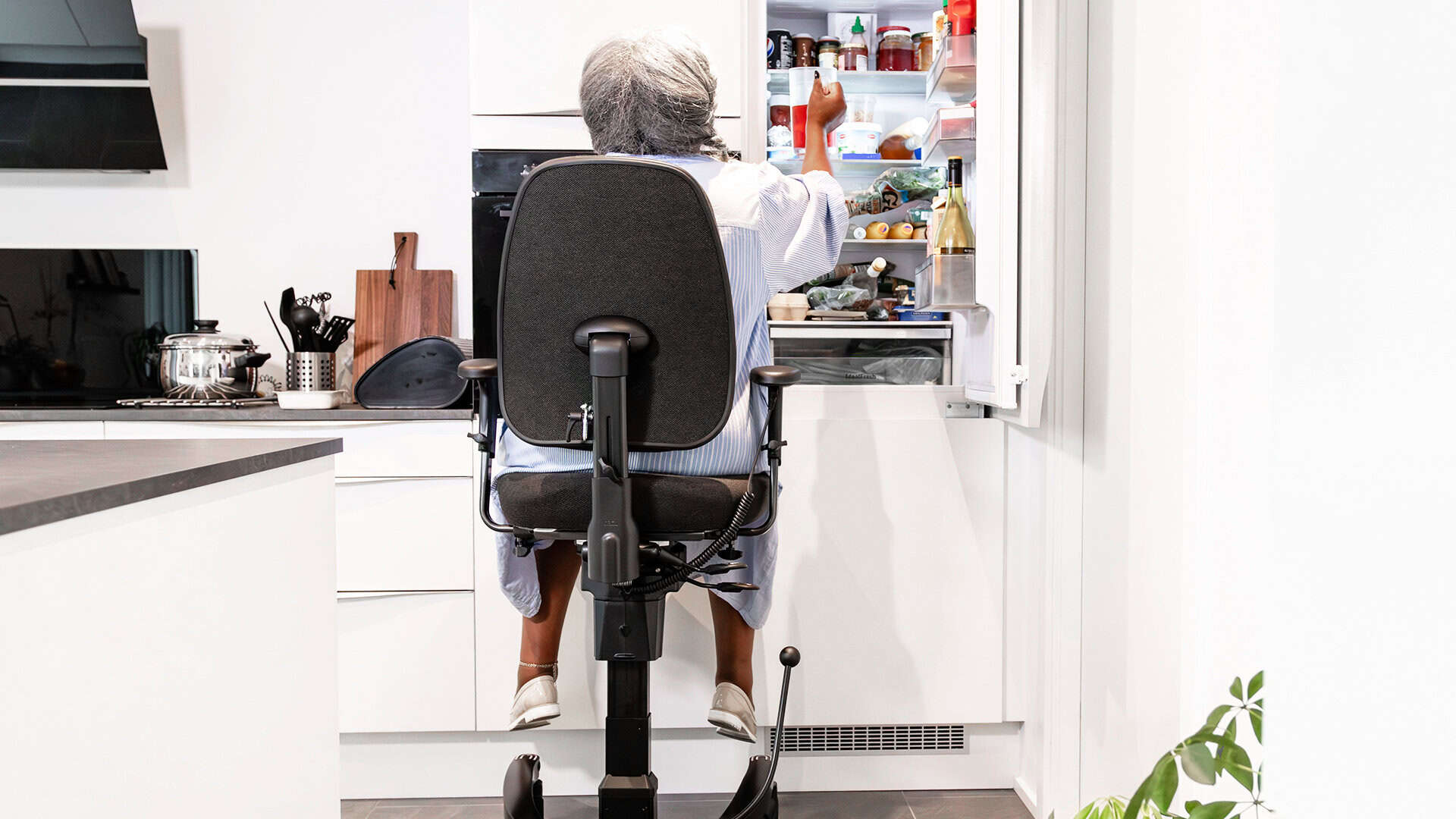
The VELA Chair empowers seniors to stay independent longer within their homes by offering specific features designed to address common mobility challenges. Its central brake ensures safety, preventing unintended movement that could lead to falls. The chair’s electric height adjustability enables seniors to perform everyday tasks such as cooking or cleaning with less strain, saving energy for more enjoyable pursuits. For instance, transitioning from seated to standing becomes simpler and safer, reducing the need for caregiver assistance and delaying the necessity of nursing home care.
In addition to mobility aids like VELA, ergonomic and inclusive product design is now a focus of assistive technology development. AI-powered devices learn user habits to refine support and tailor comfort, while accessible and cost-effective options are being promoted through government initiatives and community-based programs.[4][6] Market and regulatory trends show robust growth and expanding access, with worldwide policy support enabling more seniors to benefit from innovative solutions.[8]
A holistic approach to elderly care now includes not only physical mobility and safety, but also cognitive health and engagement. Intelligent platforms offering cognitive training and engagement features promote comprehensive well-being.[5] Having a product like the VELA Chair transforms day-to-day living—from preparing meals to relaxing in a favorite room—ensuring dignity, freedom, and reduced physical exertion. Exploring the wide range of available smart mobility aids, wearable health monitors, and intelligent home adaptation systems can support seniors in living safely and independently in their cherished homes.
- Top 5 Cutting-Edge Equipment for Seniors in 2025, Intco Wheelchair, July 2025
- AgeTech Trends 2025: AI, Robotics & the Future of Aging, Cyces, 2025
- Senior Living Technology Trends 2025, ButterflyMX, 2025
- The Latest Trends in Mobility Aid Technology for 2025, EverythingMedicalOnline, 2025
- The Role of Assistive Technologies in Senior Care, Peters Creek Retirement, 2025
- Disabled and Elderly Assistive Device Market Report 2025-2030, NextMSC, 2025
- 2025 AgeTech Showcases the Latest Technology for Seniors, TheGoodLifeSV, 2025
- Disabled and Elderly Assistive Technology Market Size Report, CustomMarketInsights, 2025