

Updated September 2025: We have updated the article with the latest advances in assistive technologies for elderly care, including AI-powered predictive analytics, telehealth, smart home devices, wearable health monitors, robotic assistants, and new trends in holistic and customized support solutions. The article now provides guidance on modern digital aids and highlights current challenges and policy support in adopting these innovations.
Vital Daily Needs for Elderly Care: A Comprehensive Guide
Caring for the elderly is a multifaceted responsibility that involves understanding and addressing their unique daily needs. Meeting these needs is crucial in improving the quality of life for seniors. As the population ages, the demand for personalized elderly care continues to grow. According to the National Institute on Aging (NIA), a significant portion of elderly individuals require assistance with daily activities due to various health conditions. Here, we explore the primary categories of daily needs that can enhance the wellbeing and independence of our elderly population.
Prioritizing personal care and hygiene
Personal care is an essential component of elderly care, promoting health and dignity. Many older adults need assistance with tasks such as bathing, dressing, and grooming. For instance, an elderly individual with arthritis may require adaptive tools, such as button hooks and elastic shoelaces, to dress comfortably and safely. According to Westmont Living, providing personalized hygiene support can make a notable difference in their daily lives. Real-life scenarios, like that of Mrs. Thompson who uses a shower chair to assist with bathing, highlight how tailored approaches to personal care help maintain dignity and independence for seniors.
Recent advancements now include smart home technologies and AI-powered monitoring systems that proactively support personal care tasks. Voice-activated devices can remind seniors of hygiene routines and automatically adjust lighting or water temperatures for safety and comfort. Sensor-enabled aids, such as smart bathroom fixtures and alert systems, also detect movement patterns and provide real-time feedback to caregivers, enhancing both autonomy and safety for elderly individuals.
ButterflyMX, MyCare Concierge, iHealthcare Analyst.
Implementing effective medication management
Ensuring medication adherence is another critical aspect of elderly care. With the complexity of managing multiple prescriptions, strategies like using pill organizers and setting electronic reminders are vital. For example, Mr. Johnson, a caregiver, manages intricate medication schedules for his mother using a digital pill dispenser that alerts her when it’s time to take her medications. Organizations like Red Rose Care offer services to aid in this task, ensuring seniors receive their medications accurately and on time. Additionally, elderly patients with chronic conditions, such as diabetes, benefit from using diabetes management apps that streamline medication management by tracking glucose levels and medication intake.
AI-powered predictive analytics and telehealth platforms now further enhance medication management. Automated medication reminders and real-time virtual consultations with healthcare professionals facilitate adherence and adjust dosages based on live health monitoring. These technologies integrate with wearable devices and smart pill dispensers, offering comprehensive support while reducing risks associated with missed or incorrect doses.
ButterflyMX, Cyces, Giansanti, D. et al..
Nutrition and meal preparation for optimal health
A balanced diet is essential for preventing malnutrition and managing chronic ailments. Tailored meal preparation, considering dietary restrictions, is crucial for elderly individuals, especially those with cardiovascular diseases. According to PubMed Central (PMC), personalized meal planning can significantly enhance health outcomes. Caregivers often plan nutrient-dense meals rich in fruits, vegetables, lean proteins, and whole grains, like a Mediterranean-inspired diet, to support the health and vitality of seniors. These efforts ensure nutritional needs are met, promoting longevity and wellbeing.
Smart kitchen appliances, such as voice-activated ovens and AI-driven meal planning apps, are now routinely used to support nutrition. These tools help ensure dietary compliance, prepare safe portion sizes, and provide reminders for hydration and meal times. Sensor-enhanced utensils and adaptive cutlery 3D-printed to fit individual needs are transforming mealtime experiences for elderly individuals with physical limitations.
MyCare Concierge, iHealthcare Analyst, Amada Senior Care Blog.
Maintaining a safe and comfortable home environment
In-home safety is paramount for seniors to live comfortably and independently. Simple modifications, such as installing grab bars and non-slip mats, are effective strategies to prevent falls and other accidents. For example, Ms. Rivera, who lives independently, uses a walker with attached tray tables to safely move meals from the kitchen to the dining area. National Church Residences emphasizes the importance of such safety measures, underscoring their role in enabling seniors to age in place safely.
The latest smart home ecosystems use AI and IoT devices to monitor movement, identify fall risks, and adjust the environment for safety and comfort. Automated lighting, smart door locks, security sensors, and voice-activated systems empower seniors to control their homes with minimal effort. Behavior monitoring platforms now proactively alert caregivers to potential hazards or health changes, making it easier to support seniors living independently.
ButterflyMX, Cyces, Amada Senior Care Blog.
Integrating modern assistive technologies and holistic care
In addition to traditional solutions, the emergence of advanced digital tools is transforming elderly care. Wearables now function as personal health navigators, tracking vital signs, sleep, and activity levels to provide insights and early warnings about health changes. AI-enhanced assistive devices, such as smart wheelchairs that autonomously navigate and sensor-enabled aids that detect unusual movement, offer tailored mobility and fall prevention support. Some systems even deploy brain-computer interfaces for device control without physical movement.
Robotic assistants and companion robots are increasingly common, aiding with medication, monitoring, and providing social engagement—recognizing the importance of mental and emotional health alongside physical wellbeing. Tabletop robots facilitate social interaction for seniors facing isolation and also serve as valuable tools in memory care.
3D printing and advanced biomaterials have enabled the creation of lightweight, ergonomic products customized to the individual, enhancing comfort and daily usability.
Holistic care models are gaining traction, utilizing digital applications and virtual reality that support cognitive training, emotional resilience, and personalized engagement.
While these innovations offer significant benefits, there remain challenges related to digital literacy, privacy concerns, costs, and ensuring fair access. Policymakers, caregivers, and healthcare professionals are working to support adoption and address ethical considerations for long-term, sustainable elderly care.
ButterflyMX, MyCare Concierge, Cyces, iHealthcare Analyst, Amada Senior Care Blog, Giansanti, D. et al., Insight ACE Analytic.
How mobility solutions like VELA make a difference
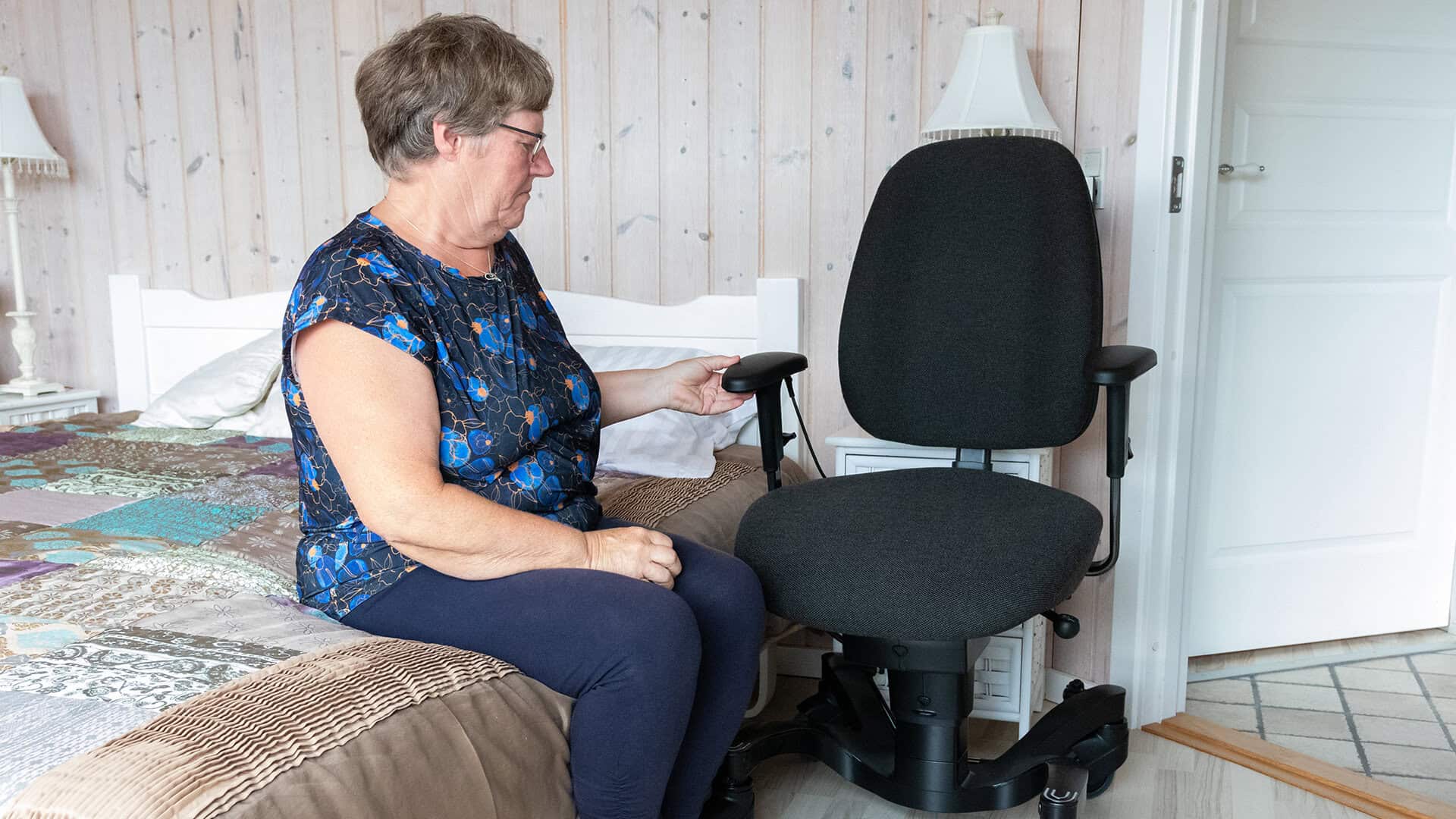
Among various alternatives, the VELA Independence Chair stands out as a medically approved mobility aid designed specifically for home use. It enhances safety and freedom of movement while seated, supporting daily activities like cooking, dressing, or transferring, and simultaneously reduces the caregiving burden on family members. The VELA Chair offers a practical solution for seniors striving to stay independent at home longer. With its central brake, it ensures safety, reducing the risk of falls during transfers. The electric height adjustability feature helps users seamlessly transition between activities like reaching high shelves or shifting to a seated position, saving energy and increasing autonomy. This design supports not only mobility challenges but also creates ease in everyday tasks such as cooking and cleaning. Imagining life with a VELA Chair, one envisions enhanced dignity and freedom contrasted with the limitations without it. While not the only option, this proven aid assists seniors in managing daily support needs for elderly care. Utilizing such innovative solutions can delay or even avert the need for nursing home placement, fostering a more fulfilling and independent lifestyle.