

Updated September 2025: We have updated the article with the latest advances in assistive technology for elderly care, including AI-powered mobility devices, wearable health monitors, smart home integration, and updated ergonomic guidance for grab bars. New global recommendations and best practices for accessibility and funding options are also included.
Meeting Atlanta’s Growing Need for Compassionate Elderly Care
As Atlanta’s elderly population continues to surge, the demand for trustworthy and compassionate caregivers becomes ever more pressing. By 2050, projections indicate a 122% increase in residents aged 65 and older in the area, as noted by the Atlanta Regional Commission. Such growth underscores the need for quality care solutions that incorporate empathy and professionalism, vital traits for effective caregiving. According to the Georgia Department of Human Services, Georgia ranks ninth for the fastest growing population aged 60 and older, highlighting the increasing necessity for skilled elder care workers.
Understanding Elderly Care Needs in Atlanta’s Aging Population
Atlanta’s demographic shifts bring specific care requirements. Caregivers must be adept at managing conditions such as mobility impairments, dementia, and chronic diseases. The Atlanta Regional Commission Aging Services emphasizes the importance of culturally sensitive care due to the city’s diverse community. A notable example is a local provider’s case study illustrating success with culturally tailored plans. They engaged caregivers fluent in languages understood by clients, fostering comfort and trust.
How to Choose Trustworthy and Compassionate Elderly Caregivers in Atlanta
When choosing a caregiver, families should prioritize empathy, reliability, and extensive experience. Empathetic caregivers contribute to emotional well-being as well as physical health. According to the Georgia Department of Community Health, standards for caregiver qualifications can guide selecting the right individual. One family mentioned utilizing these guidelines and found an ideal caregiver through an agency, who made a significant difference with her patience and understanding.
Costs and Financial Assistance Options for Elderly Care in Atlanta
Understanding the financial implications of quality care is crucial. In Atlanta, in-home care rates range from $25-$35 per hour, while assisted living facilities can charge between $3,500-$5,000 per month. According to Medicare.gov, exploring financial assistance options can make such services accessible. One family successfully navigated local aid programs, demonstrating the importance of exploring financial avenues to secure top-tier care.
Specialized Programs for Diverse Elderly Communities in Atlanta
The cultural diversity in Atlanta means specialized programs have been developed to address the wide-ranging needs of its senior population. These programs often offer multilingual services and promote mental health initiatives to foster social connections among seniors. As supported by the Atlanta Regional Commission, these initiatives bridge cultural gaps and enhance seniors’ quality of life by encouraging participation and reducing isolation.
Empowering Atlanta’s Seniors with Trusted Care Solutions
Choosing compassionate, trustworthy caregivers in Atlanta is crucial for supporting elderly residents’ quality of life. As emphasized by the CDC, addressing the multifaceted needs of seniors requires engaging empathetic and coordinated care solutions. By prioritizing these elements and exploring innovations like VELA chairs, Atlanta’s seniors can enjoy enhanced comfort and security, enriched by understanding and compassionate support.
Supporting Aging in Place: A Practical Option
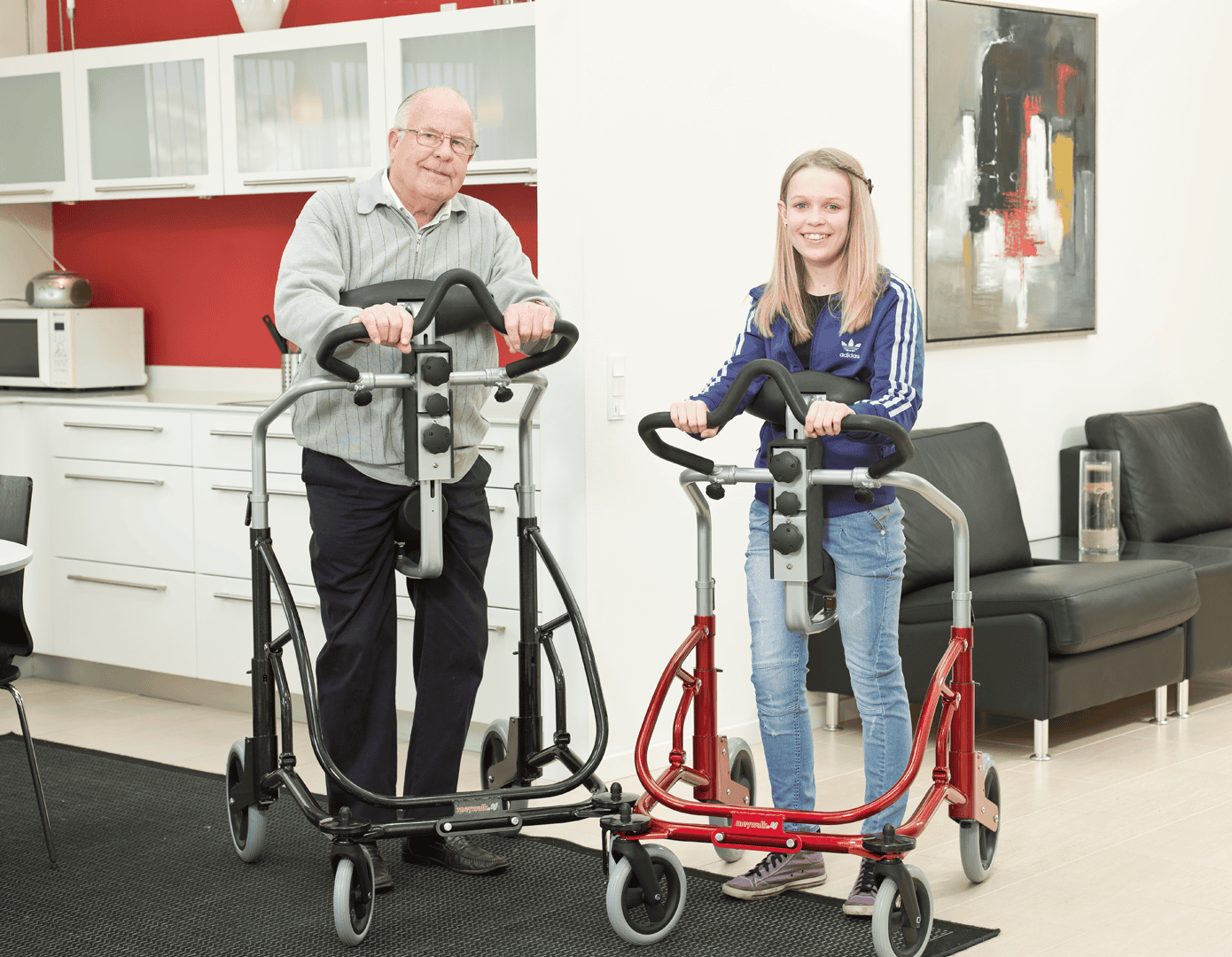
While nursing homes provide necessary care for many, remaining at home is often a preferred option for seniors who value independence. Recent advances in assistive technology now enable aging in place with greater safety and autonomy. Innovations such as AI-powered exoskeletons significantly improve walking stability and help prevent falls. Wearable health monitors track vital signs and early cognitive decline markers, reducing emergency visits and supporting health management at home. Smart home systems with integrated AI and IoT technology offer features like automated lighting, medication reminders, and real-time emergency alerts, adapting environments to individual needs for enhanced convenience and safety. In addition, modern grab bars and support fixtures are now ergonomically designed and available in multiple configurations, using improved materials for comfort and aesthetics.
VELA Chairs aid the pursuit of independent living by offering specific features that cater to the needs of aging individuals. These chairs enhance safety with a central brake system, offer electric height adjustability, and facilitate easy movement while seated. Such capabilities extend beyond comfort, potentially delaying the need for nursing home care. Seniors equipped with a VELA Chair can engage more actively in everyday tasks, like cooking and cleaning, with reduced physical strain, thus preserving dignity and freedom. These chairs can significantly lighten the burden on informal caregivers by providing reliable support for safer mobility at home. While VELA is not the only solution, it remains a proven and practical choice for fostering an independent lifestyle for seniors. Explore more about Mobility Solutions for Elderly and Safety for Seniors at Home as viable steps toward enhancing life at home.
- INTCO Medical, “Top 5 Cutting-Edge Equipment for Seniors in 2025” — covers robotic exoskeletons, health monitoring wearables, and intelligent home systems (2025-07-09)
- Healthline.com, “Assistive Devices for Elderly People 2025” — overview of best assistive devices including cost/insurance considerations (updated August 22, 2025)
- University of Florida Online Aging, “Assistive Technology Devices: Helping Seniors Age In Place” — analysis of technology aiding aging in place, including smart safety devices (2025-03-19)
- Seniorsite.org, “15 Best Assistive Devices for Elderly [Tested & Rated for 2025]” — detailed guidance on assistive devices with ergonomic and safety installation info
- World Health Organization, “Assistive Technology Fact Sheet” — global scope, benefits, and user guidance for assistive products (accessed 2025)