

Updated January 2026: We have updated the article with new insights on the rapid growth of adult day care as an affordable, tech-enabled alternative to traditional facilities, the integration of AI, robotics, and wearables for mobility and safety, workforce solutions to address caregiver shortages, intergenerational and holistic care models, and new design trends supporting aging in place and diverse senior populations.
Increasing demand for day care for elderly near me
As communities recognize the importance of local non-residential senior care, the search for “day care for elderly near me” is becoming increasingly relevant. Adult day care centers are a crucial component of the healthcare continuum, offering essential support to families and their aging loved ones. According to Grand View Research, the U.S. adult day care market was valued at $16.5 billion in 2022, serving over 182,000 participants. This rapidly growing sector signifies a significant shift towards non-institutional solutions that blend social engagement with necessary health support services. Since 2025, adult day care has experienced exponential growth as an affordable, community-based solution that supports aging in place—particularly vital as the number of middle-income seniors is projected to double by 2029 and caregiver shortages intensify. Recent trends highlight the integration of AI-driven assistive technologies and predictive service tools, now standard in senior care, enabling more personalized and anticipatory care coordination. Advanced remote monitoring devices, robotics, and wearables are being deployed in day care settings for mobility assistance, fall prevention, and proactive rehab, aiming to reduce hospitalization and promote autonomy. Holistic and tech-enabled models, including the repurposing of commercial spaces for intergenerational senior and childcare, further support social engagement and well-being (McKnight’s Senior Living; Health Dimensions Group; Juniper Communities; SeniorSite.org; Aging Connections; Senior Housing News; Provider Magazine; Gensler).
What is elderly day care & who needs it?
Elderly day care centers provide vital care and social interaction during daytime hours, distinguishing them from residential facilities and home health visits. These centers primarily cater to older adults, often those over 75 as indicated by Caregiver.org, who might be experiencing cognitive decline, such as Alzheimer’s disease, or chronic conditions like diabetes. For instance, consider a senior named Mary with Alzheimer’s who attends a day care center: she benefits from a structured routine, social activities, and personalized care plans designed to maintain her quality of life. New trends show rehabilitation practices increasingly utilize AI-powered assessment tools and VR or AR to engage patients in personalized rehab programs, whether delivered remotely or within day care centers. Inclusive product design today emphasizes culturally diverse and individualized ergonomic solutions, addressing the unique needs of a more racially and economically diverse senior population. Additionally, care models are evolving to better support “solo agers”—seniors who do not have family support structures—by incorporating wellness check-ins and advocacy components, reflecting broader demographic shifts and a demand for flexible and person-centered solutions. As holistic and intergenerational models expand, some centers now combine senior day care, childcare, and wellness services in repurposed commercial spaces, boosting both social engagement and emotional support (Health Dimensions Group; McKnight’s Senior Living; Align Senior Care; McKnight’s Senior Living; Gensler).
How to find quality day care for elderly near me
Evaluating local care centers requires thoughtful consideration of several factors. Critical criteria include staff qualifications, the variety of programs offered, and overall user satisfaction. Accreditation and licensing, such as from the National Adult Day Services Association (NADSA), serve as essential indicators of quality care (CDC). For example, a family selecting a day care center based on personalized care routines and robust safety standards demonstrates the importance of making deliberate and informed choices. An example is the Johnson family who chose a center for their father, Robert, because it offered both memory care programs and fall-prevention classes, ensuring his safety and engagement. In 2026, new CMS minimum staffing mandates are scheduled to phase in for nursing and home care facilities, influencing care quality and operational standards in day care settings. Ongoing regulatory trends bring enhanced requirements for medication management, documentation, and specialized staff training to ensure quality. With workforce shortages continuing, AI-driven tools for fall-risk prediction, scheduling optimization, and remote health monitoring are being deployed to support staff effectiveness. Expansions of value-based purchasing models are accelerating the adoption of person-centered and evidence-based protocols, with increased Medicare and Medicaid reimbursement incentives aimed at innovations that improve outcomes and affordability for a wider range of seniors. Modern day care environments may also feature ergonomic, sunlit spaces and resort-style wellness amenities to enhance the daily experience (Empeon; Alora Health Blog; National Investment Center (NIC); Provider Magazine; Senior Housing News).
Costs, insurance, and financial assistance options
Understanding the financial aspects of adult day care is crucial. The average daily cost ranges between $60 and $120, with Medicaid waivers available for eligible participants. Financial assistance options often include sliding fee scales for low-income seniors (Grand View Research). For instance, Sarah, a senior living on a fixed income, was able to access financial aid, enabling her to benefit from day care services without a financial burden. Reflecting the middle-market trend, an expanding number of providers now offer flexible care plans and a broader range of cost structures, helping more seniors—especially those who do not qualify for traditional subsidized care but cannot afford luxury options—participate in day services. As value-based purchasing models expand, more centers are adapting to outcome-focused reimbursement, which may result in more flexible and affordable care packages in response to community needs and diverse populations. Policy-driven shifts toward personalized, continuum-of-care models—blending day care with home support and “hospital at home” hybrids—are also emerging, reducing barriers for those with limited mobility (Alora Health Blog; Align Senior Care; Senior Housing News).
Top-rated elderly day care providers in your location
Top-rated elderly day care providers stand out for their high ratings and positive reviews on platforms like Google and Yelp. Features to consider include specialty memory care programs and culturally tailored services. Users often praise these centers for comprehensive care: “The meals and medication management have been a huge relief for our family,” attests one satisfied customer. Such testimonials emphasize the operational excellence and family peace of mind that quality day care provides. In response to recent trends, leading providers are increasingly adopting inclusive, community-rooted, and flexible service models that account for changing family structures, remote work arrangements, solo agers, and the needs of racially and economically diverse seniors. Integration of smart health monitoring devices, fall detection systems, robotics, wearables, and telehealth platforms has become standard, with providers also offering social engagement tools and wellness programs that foster autonomy and connectivity. Intergenerational models and design innovation are addressing both emotional and physical well-being, establishing adult day care as the fastest-growing senior service amid rising rates of chronic conditions, dementia, and an aging population (FutureGood; McKnight’s Senior Living; Juniper Communities; SeniorSite.org; Aging Connections; Gensler).
Enhancing safety and independence with VELA mobility chairs
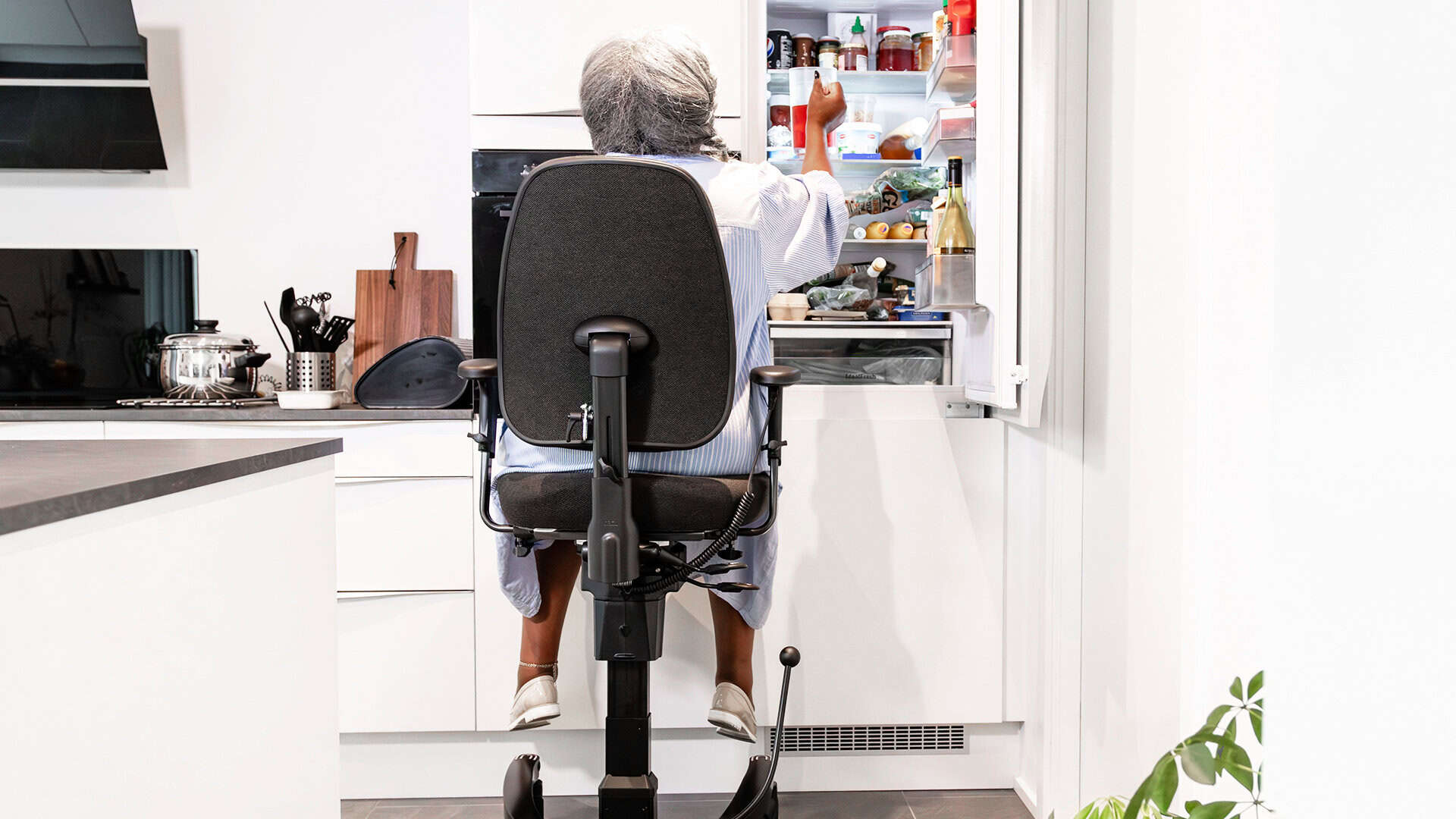
For those who wish to maintain independence and avoid the challenges associated with nursing homes, innovative solutions can make a significant difference. One such solution is the VELA Independence Chair, a medically approved mobility chair designed for use at home. These chairs provide enhanced safety by reducing fall risks through lockable wheels and height adjustability, while also allowing freedom of movement during daily activities like cooking, dressing, or transferring. The presence of supportive features helps minimize the physical load on informal caregivers, making it an ideal aid for both seniors and their families seeking to maintain a comfortable home environment. Safety in Home Care is essential for seniors who aim to preserve their independence. As workforce shortages persist, adoption of AI and innovative assistive technology is helping to ensure care consistency and support safety, providing critical backup for staff and informal caregivers (Health Dimensions Group; SeniorSite.org; Aging Connections).
Sources:
- McKnight’s Senior Living: “Seven trends in senior living that will define 2025 and beyond,” Jan 2025
- Health Dimensions Group: “2025 Top Trends in Aging Services,” Dec 2024
- Alora Health Blog: “The Home Healthcare Outlook for 2025,” Jan 2025
- Empeon: “2025 Trends for Skilled Nursing and Home Healthcare,” Dec 2024
- FutureGood: “May 2025 – Trend Spotting – Elderly Care & Childcare,” May 2025
- Juniper Communities: “Senior Living Trends in 2025,” 2025
- Align Senior Care: “Senior Living Trends 2025,” 2025
- Provider Magazine: “Long Term Care 2025 Trends and Outlook,” 2025
- National Investment Center (NIC): “Skilled Nursing 2025,” 2025
- SeniorSite.org: “Senior Living in 2025 – Future Trends,” 2025
- Aging Connections: “Trends in Senior Care 2025,” 2025
- Senior Housing News: “Top Senior Living Trends for 2026,” Jan 2026
- Provider Magazine: “Long Term Care 2026 Trends and Outlook,” 2026
- Gensler: “Trends to Watch: Future of Senior Living (2026 Design Forecast)”