

Updated February 2026: We have updated the article to highlight major advancements in elderly personal care, including the widespread adoption of AI-powered health monitoring, predictive analytics for preventive care, integrated smart mobility devices, and robotics for routine assistance and companionship. The article now reflects how technology-driven personalization and remote monitoring have become foundational to modern elderly care.
Personal Care for the Elderly: An In-depth Review
In response to the query “what is personal care for the elderly,” it’s essential to explore the crucial role personal care services play in improving the lives of senior citizens. Personal care is instrumental in preserving dignity, independence, and the quality of life for our growing elderly population. With an expanding demographic of seniors, an increasing demand for various levels of personal care services is inevitable to effectively manage daily activities.
Understanding Personal Care Services for the Elderly
Personal care services are characterized by their emphasis on non-medical assistance for daily living activities, such as bathing, dressing, grooming, toileting, and meal preparation. Unlike medical home health care, which involves clinical treatments and therapies, personal care focuses on fostering independence and comfort within the home. For instance, a senior citizen with arthritis might utilize personal care services to maintain daily routines, from preparing meals to dressing.
According to Family Choice Healthcare, these services are vital for maintaining a senior’s quality of life. State regulations, such as those outlined by Pennsylvania’s Department of Human Services, ensure personal care homes provide safe and nurturing environments for elderly residents. Personal care also extends to essential scenarios, such as assisting a senior with dementia in managing daily tasks, thereby ensuring safety and dignity.
Recent transformational advances have moved personal care beyond traditional human assistance to the integration of technology as a foundational component. AI-powered health monitoring and predictive analytics are now core to administering individualized care plans. These enable not only real-time health and behavior tracking but also early detection of potential health decline or risk, resulting in faster interventions and significantly elevated safety for seniors who wish to retain independence at home. Remote monitoring integration, clinical-grade wearable devices, and voice-activated systems form an essential infrastructure for modern, proactive, and preventive senior care.
CarePatrol,
Synchrony Home Health Care,
AR Home Care,
AllSeniors.org,
Trust Home Care, Inc..
Navigating the Elderly Care Market
Choosing a personal care provider involves evaluating various factors, including service quality, provider reputation, and cost. Providers like Pacific Angels Home Care are commended for their personalized services, meeting specific individual needs. Costs vary, with private duty care averaging $20 to $40 per hour depending on geographic region and service complexity.
When families assess personal care options, thorough research and comparison are crucial. For example, a family might evaluate multiple providers, considering personalized service offerings and budget constraints to find the best fit for the elder’s needs and financial situation.
The landscape for elderly personal care now places greater emphasis on holistic, person-centered care plans. In-home care services have expanded beyond basic assistance to skilled nursing, emotional support, and caregiver training, enabling more seniors to remain at home with dignity. Innovative use of telehealth, digital monitoring, and remote emotional support groups addresses mental health and combats loneliness, recognizing social and emotional wellness as integral to elderly care. Robotics and automated systems increasingly support day-to-day care tasks, augmenting the caregiver workforce and allowing human caregivers to focus on complex and relationship-centered needs.
Your Nurse Advocate Consulting,
FirstLight Home Care,
AllSeniors.org
Enhancing Elderly Independence and Safety with Mobility Solutions
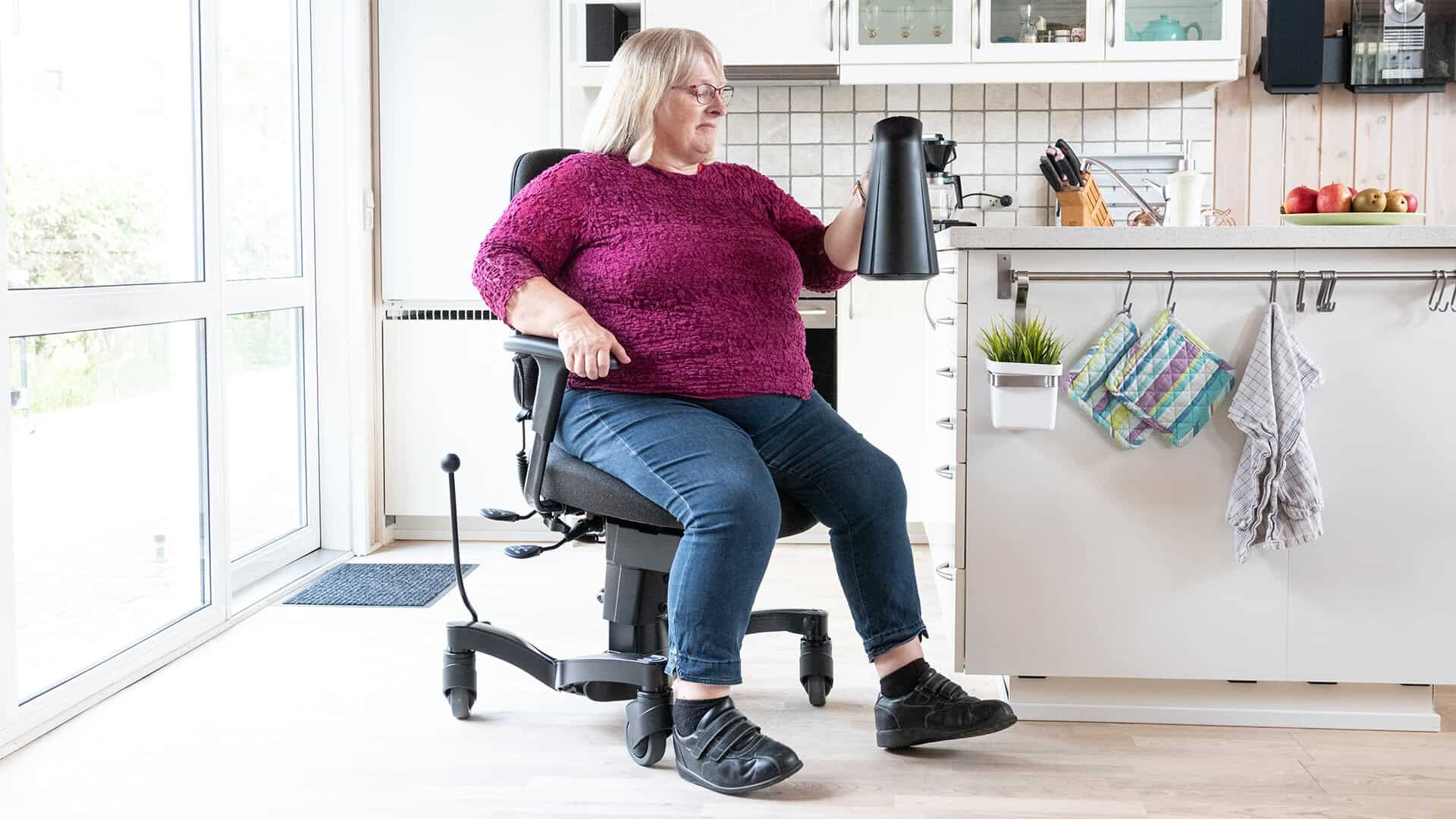
Mobility solutions, such as VELA chairs, complement personal care services by enhancing independence and safety. These chairs are designed to prevent falls and improve mobility, crucial for seniors maintaining an independent lifestyle. With features like easy height adjustment and sturdy support, VELA chairs provide an added layer of security and confidence for the user.
Consider a senior regaining confidence in daily activities, such as moving around their home or transitioning from sitting to standing, with the assistance of a VELA chair. This reduces fall risk associated with poor mobility, aligning with personal care services’ goals.
The challenges associated with nursing home options often lead families to seek alternatives that allow seniors to retain independence in their homes longer. For this purpose, expertly designed solutions like the VELA Independence Chair offer a promising option. This medically approved mobility chair is built for home use, delivering enhanced safety, freedom of movement while seated, and support for daily activities such as cooking, dressing, or transferring. Importantly, it eases the physical load on informal caregivers by assisting with tasks that might otherwise require their help.
Adding to these advances, ergonomic and inclusive home and furniture design is now a priority. Modular, sensory-friendly spaces are increasingly incorporated, particularly for dementia care, to provide flexibility and comfort while promoting independence.
Juniper Communities.
Rapid developments in smart mobility devices now offer integrated solutions combining GPS tracking, clinical-grade real-time health monitoring, fall detection, and connectivity for both urban and home settings. Wearable monitors, AI-powered assessments, and connected devices are becoming standard, transforming mobility aids from basic supports into essential health management tools that foster independence for seniors. Robotics play a growing role in mobility support and daily task assistance within both homes and senior living communities, increasingly addressing workforce shortages and enhancing user safety.
GlobeNewswire,
ResearchAndMarkets.com,
AgeTech Summit at CES 2025,
AllSeniors.org.
Personalized, user-centered design in mobility aids and assistive devices is further propelled by data-driven AI insight, 3D printing, and innovative biomaterials, supporting highly customized and comfortable product solutions. Robotics for medication delivery, routine reminders, and social engagement are becoming commonplace in care environments.
AgeTech Summit at CES 2025,
AllSeniors.org.
Empowering Elderly Independence through Personal Care
Understanding the essence of personal care for the elderly is crucial for ensuring seniors receive the necessary support to maintain dignity and independence. By focusing on non-medical support tailored to individual needs and innovative tools like mobility aids, families can develop comprehensive care plans that uphold safety and autonomy.
According to Medicare.gov and the NIH, integrating best practices and adhering to authoritative recommendations ensures consistent, quality care aligning with recognized standards.
Modern personal care now relies on a foundation of technology for personalization and early risk detection. AI-powered analysis of behavioral patterns, real-time monitoring through smart devices, and remote communications between healthcare providers, caregivers, and families streamline care, prevent health emergencies, and help seniors remain safely independent at home. Robotics increasingly contribute to medication reminders, mobility assistance, and even reducing social isolation, all supported by robust clinical and regulatory standards.
AR Home Care,
Synchrony Home Health Care,
Trust Home Care, Inc.,
AllSeniors.org,
American Association of Nurse Practitioners (AANP).
Guidelines and regulatory frameworks are rapidly evolving to support these systems, prioritizing accessibility, user empowerment, and evidence-based solutions. Data-driven personalization is now a mainstay of care delivery, ensuring that each care plan is continuously optimized in accordance with the senior’s unique metrics and evolving needs.
ResearchAndMarkets.com,
AllSeniors.org.
Crafting these personalized care plans involves embracing a holistic view that combines physical support with personal dignity. Through well-rounded care strategies and thoughtful incorporation of mobility and technology solutions, the elderly can enjoy enhanced quality of life and are empowered to lead independent, fulfilling lives.
Supporting Aging in Place: A Practical Option
The VELA Chair can be a transformative tool for seniors aiming to stay independent longer in their own homes. Its features, such as a central brake for safety, electric height adjustability, and ease of movement while seated, directly tackle issues like safety and energy conservation. By supporting daily activities like cooking or dressing, it allows seniors to effectively manage their routines with reduced strain. Life without a VELA Chair might mean increased falls risks and a heavier caregiver burden; with it, seniors experience enhanced freedom and safety in their own familiar surroundings. While VELA is not the sole option available, it is a proven and practical solution for those committed to aging in place. Explore how these chairs can provide support for seniors at home and insights on preventing falls in seniors, enabling older adults to lead dignified, independent lives.
Policy changes are also on the horizon: proposals for Medicare expansion could soon increase subsidies for in-home care, support caregiver compensation, and assist with financing home modifications. These regulatory adjustments aim to reduce institutionalized care and make holistic, technology-supported personal care more accessible and affordable.
National Center for Home Care Statistics,
BCC Research.