

Updated September 2025: We have updated the article to reflect the latest advancements in smart and AI-powered assistive devices, integrated remote care ecosystems, personalized ergonomic solutions through 3D printing, cognitive health technologies, and expanded government support for improved device accessibility and affordability. The content now covers current trends and innovations in elderly home care equipment as of 2025.
The Essentials for Elderly Home Care
Ensuring the safety and comfort of elderly individuals in a home setting requires careful planning and the right equipment. Addressing the search for items needed for elderly home care is crucial, especially considering the alarming statistic from the CDC that nearly 80% of elderly falls occur at home. Having appropriate items on hand can significantly reduce risks and enhance quality of life.
Equipping Your Home with Basic Medical Supplies
Setting up a home with essential medical supplies is fundamental to effective elderly care. A well-stocked first aid kit, digital thermometer, and blood pressure monitor are indispensable. Medication management tools like pill organizers and reminder systems are vital for managing daily regimens, particularly in chronic illness care scenarios. According to Healthline, these items provide a strong foundation for addressing medical needs at home. Recent advancements also include AI-powered health monitors and smart medication dispensers that connect to caregivers via mobile apps, providing reminders, tracking adherence, and facilitating timely interventions by remotely updating caregivers when attention is needed.[1]
Enhancing Mobility and Fall Prevention at Home
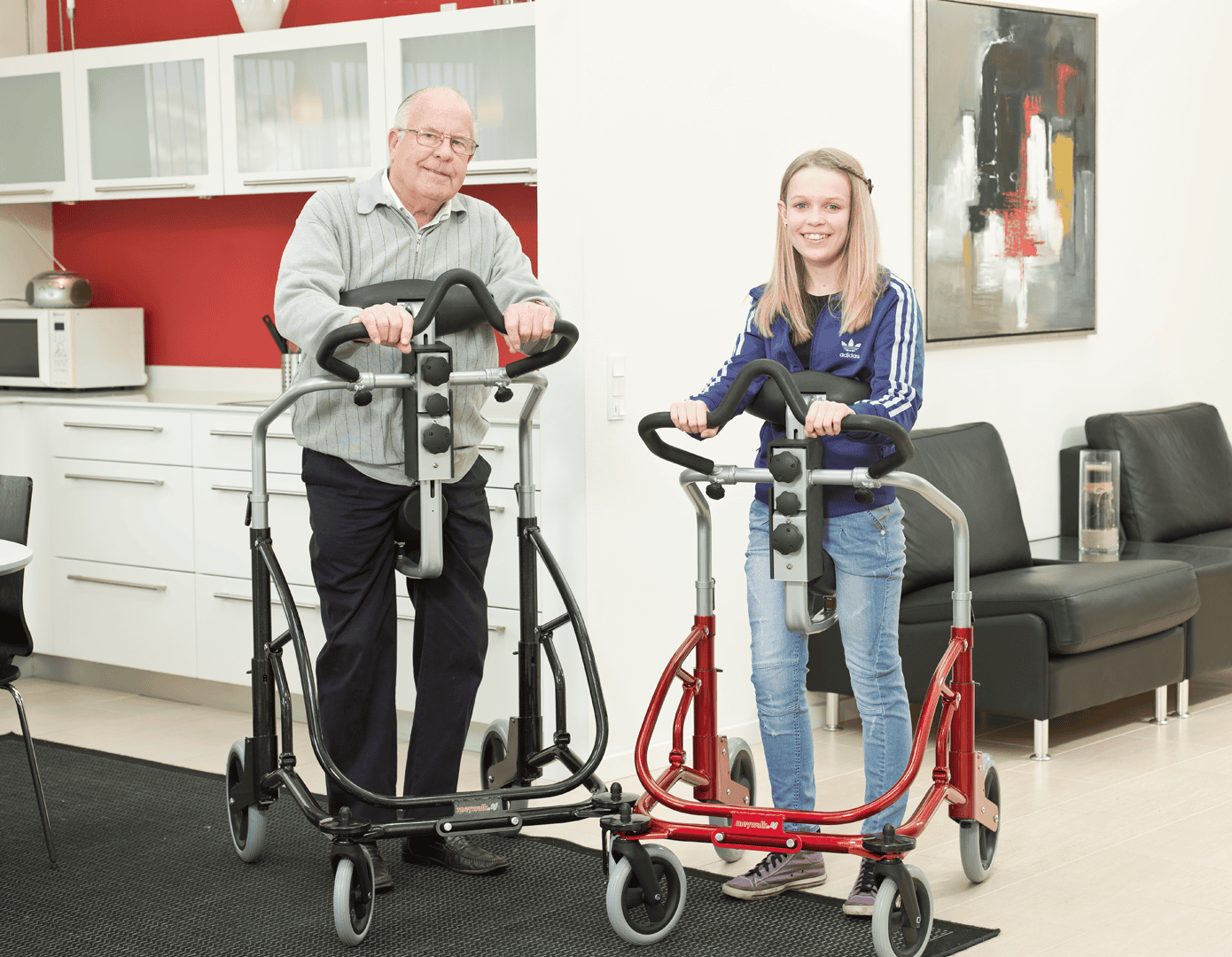
Mobility aids are critical in preventing falls and enhancing independence. Items such as canes, walkers, and wheelchairs must be selected based on professional assessments of the individual’s specific needs. Innovations as of 2025 include intelligent wheelchairs equipped with GPS navigation, collision avoidance sensors, voice control, and app connectivity for tailored adjustments, making daily movement safer and enabling greater autonomy for users.[2] A case in point is Mr. Edwards, who regained his independence using a rollator for daily walks around the neighborhood, reinforcing the importance of tailored mobility solutions.
An occupational therapist’s evaluation can lead to the installation of devices like stair lifts, which significantly reduce fall risks and increase mobility within the home. Johns Hopkins Medicine offers detailed guidance on selecting the right mobility solutions, emphasizing the importance of professional assessments. Modern mobility solutions may now include connected health ecosystem features, where devices link with clinicians and caregivers for real-time monitoring of usage patterns and emergencies.[5]
Prioritizing Bathroom Safety in Elderly Care
The bathroom is a high-risk area for falls, making safety modifications essential. Installing grab bars, shower chairs, and non-slip mats helps prevent accidents. One family’s experience in retrofitting their bathroom for an aging parent highlights the practical benefits of these adjustments. According to CareScout, these modifications significantly bolster in-home safety for seniors. Advances in ergonomic and inclusive product design now include custom-fitted bathroom solutions produced with 3D printing and new biomaterials, offering improved comfort, fit, and user adherence at significantly reduced cost.[4]
Increasing Independence Through Advanced Solutions
While nursing homes offer comprehensive care, aging in place with solutions that enhance safety and independence can be preferable for many older adults. Solutions like the VELA Independence Chair provide stability and mobility within the home environment. This medically approved chair enhances safety and freedom of movement while seated, assisting with daily activities such as cooking, dressing, or transferring — all while reducing the load on informal caregivers.
In 2025, assistive technology solutions now often include AI-powered chairs that adapt to user behavior and preferences over time, incorporating voice activation, customizable controls, and integration into smart home ecosystems. Wearable robotics and brain-computer interface devices are starting to emerge as advanced options for individuals with severe mobility limitations, offering new possibilities for controlling home devices and personal movement through thought or subtle physical intentions.[4][3]
Providing Comfort and Quality of Life
Beyond safety, enhancing comfort and engagement is crucial for seniors’ well-being. Items like therapeutic pillows and weighted blankets help create a restful environment, while easy-to-use technology such as tablets and large-button remotes keep seniors engaged. New cognitive health technologies, including smart wearables and AI-powered apps for brain training and dementia support, are now an essential part of elderly home care, aiming to promote mental well-being and reduce anxiety and isolation.[6]
Creating a Comprehensive Care Plan
It’s essential to approach elderly care holistically, involving professional occupational therapists for home assessments and addressing high-risk areas first. Prioritizing areas like bathroom safety and mobility aids and introducing equipment gradually ensures that care recipients adjust comfortably to changes. Regularly reassessing needs ensures that care plans remain effective and comprehensive. Many devices can now be monitored remotely, allowing clinicians or family members to receive alerts about sudden changes in movement or health, and to update care plans based on real-time data.[1]
According to Wellness Health Services, a wide array of equipment is essential for supporting the diverse needs of elderly individuals in home care settings. By creating a tailored care environment, caregivers can foster a setting that supports dignity, independence, and quality of life for seniors, enabling them to age in place gracefully.
On a broader scale, new government-led programs and expanded regulatory support in countries such as India and Singapore are increasing the accessibility and affordability of modern assistive devices for the elderly and disabled, including funding, device training, and local innovation labs.[3]
How Mobility Solutions Like VELA Make a Difference
For seniors aiming to remain independent at home, solutions like the VELA Independence Chair can play a key role, helping delay the potential need for nursing home care. These chairs are designed to provide safety with a central brake, and flexibility with electric height adjustability, enabling seniors to perform daily activities with ease. By offering an effortless way to move while seated, the VELA Chair reduces the strain on caregivers and helps prevent falls, a significant concern in elderly care. Consider help for seniors at home which includes practical furniture offering stability and enhanced freedom, reinforcing a sense of dignity and autonomy. Now, many mobility chairs and aids feature connectivity, remote customization, and smart home integration, promoting safer and more adaptable living.
While not the only option, VELA Chairs offer a proven approach to supporting seniors’ ability to age comfortably and safely at home, while the market for assistive devices continues robust growth driven by innovation and increasing demand.[7]