

Updated January 2026: We have updated the article to reflect new research on AI-integrated smart mobility aids, IoT-connected safety devices, mainstream adoption of remote patient monitoring wearables, hyper-personalized care plans, and telehealth-integrated durable medical equipment for seniors. These updates highlight how Amarillo’s elderly care services are leveraging advanced technology for greater independence, preventive support, and holistic health.
Elderly Care Services in Amarillo: A Comprehensive Overview
Elderly care in Amarillo, TX, plays a pivotal role in supporting the burgeoning senior population, which requires quality, tailored services. As of 2025, Amarillo’s population over 65 years is projected to be 14.8%, based on data from the U.S. Census Bureau, underscoring the need for robust elder care options. This article delves into various elderly care services available in Amarillo, addressing diverse needs and preferences with an emphasis on personalized care plans and community support programs.
The Range of Elderly Care Services in Amarillo
Amarillo offers a broad spectrum of elderly care services, from in-home care to skilled nursing facilities. In-home care is ideal for seniors who prefer remaining in their homes, providing assistance with daily activities and health management. Facilities like the Amarillo Center for Skilled Care and Bivins Pointe are lauded for their compassionate services. According to Medicare’s Nursing Home Compare tool, Amarillo’s nursing homes focus on maintaining high-quality standards, a crucial consideration for families evaluating potential facilities.
Understanding Amarillo’s Senior Demographics and Health Needs
Amarillo’s metropolitan area is home to about 30,000 seniors, many of whom face common health challenges such as diabetes, hypertension, arthritis, and cognitive decline. These conditions necessitate coordinated care efforts, as reported by the CDC. The socioeconomic landscape, characterized by a median household income of $66,571 and a high local poverty rate of 15.79%, suggests that affordability and customization of services are critical for seniors in Amarillo.
Navigating Regulations and Quality Standards in Texas
Elder care facilities in Amarillo adhere to stringent state and local regulations that guarantee high standards of care and safety. According to Texas Health and Human Services, these regulations address staffing requirements and facility conditions, aiming for excellence in care delivery. Many Amarillo facilities exceed these standards, reassuring families about their loved ones’ well-being. In 2025, there is increased emphasis on regulatory compliance concerning data privacy and cybersecurity, especially as digital health and AI-driven devices become standard in senior care environments. This focus aims to protect sensitive health information and ensure accessible, inclusive technology use for all seniors[2]. Medicaid and state programs are also expanding coverage of remote patient monitoring and enabling technologies, helping increase affordability and access for seniors[4][7]. With the rise of telehealth-integrated durable medical equipment (DME), there are now more ways for seniors to receive timely care and reduce hospital visits, further supported by remote monitoring wearables and IoT-connected safety devices[5][6].
Modern Home Adaptations: The Role of Adaptive Equipment
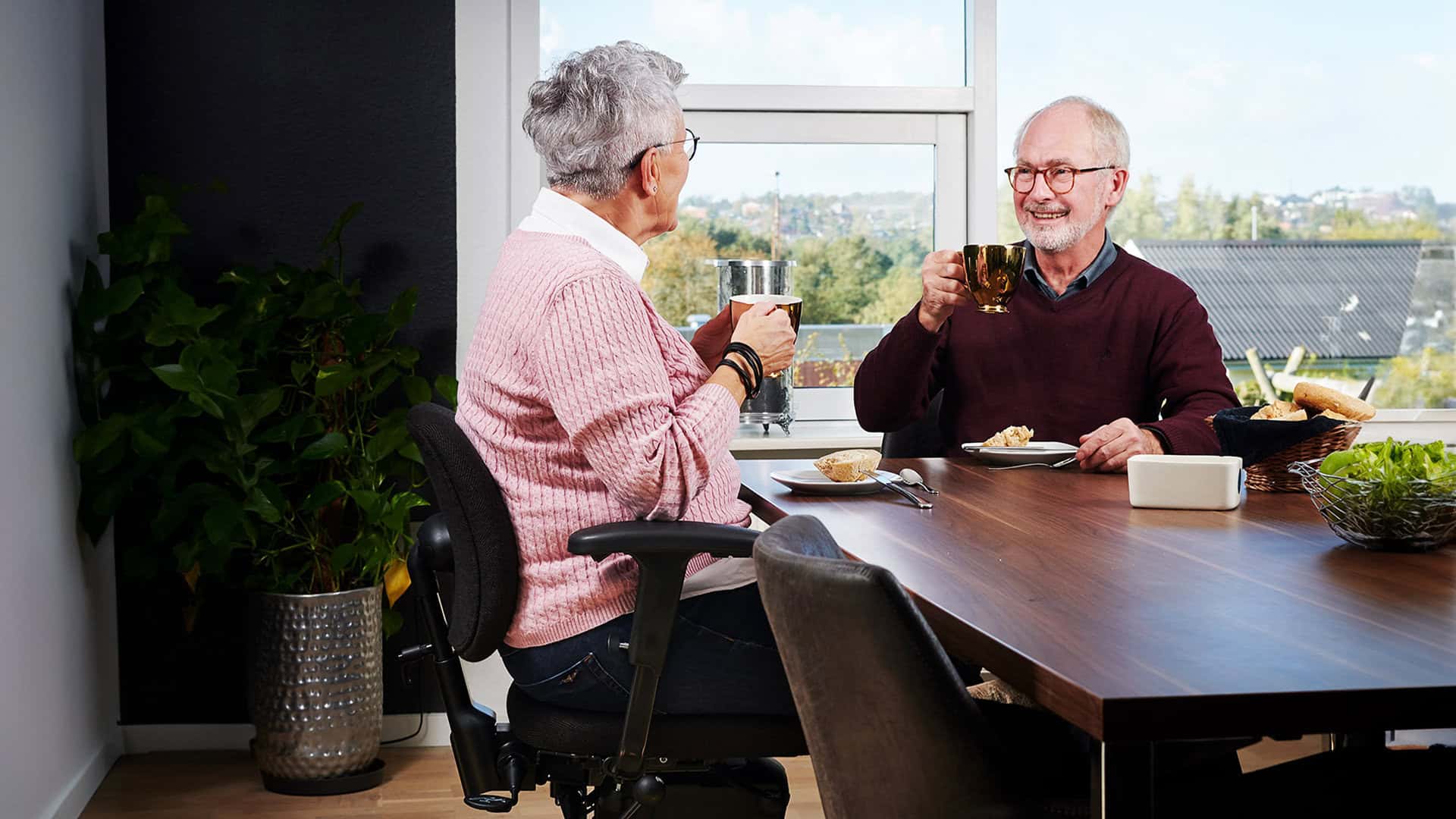
As nursing homes present certain challenges, many families in Amarillo are exploring solutions that enable older adults to remain independent in the comfort of their own homes. Adaptive equipment, like the VELA Independence Chair, offers a viable alternative. This medically approved mobility chair is specifically designed for home use, enhancing safety through features like a central brake, providing freedom of movement while seated, and supporting daily activities such as cooking, dressing, and transferring. By reducing the dependency on informal caregivers, VELA contributes to a safer and more independent living environment.
Research in 2026 indicates a significant shift toward AI-integrated smart mobility aids and IoT-connected bathroom safety devices. Now common are walkers and wheelchairs that offer real-time obstacle detection, stability monitoring, terrain adaptation, and voice-activated controls, with features like automatic braking and caregiver remote alerts to minimize fall risks and maximize independence[5]. Sensor-equipped grab bars and adjustable shower seats with app alerts are now available, increasing safety and offering peace of mind to both seniors and their families[6]. Hyper-personalized care plans incorporating health monitoring data, genetic, and lifestyle factors are becoming mainstream, ensuring holistic and preventative approaches tailored to each individual’s needs.
Ergonomic, inclusive, and user-centered design principles remain standard, but now enhanced by AI-driven personalization, such as adaptive health coaching based on real-time device data. This supports increased comfort, adaptability, and proactive adjustments to daily routines. Wearable devices are widely adopted for continuous health and early chronic condition detection, with data feeding directly to healthcare professionals to enable timely interventions and remote patient support[5].
Telehealth and remote monitoring are now deeply integrated with durable medical equipment, allowing for regular virtual check-ins and rehabilitation tracking. This advancement reduces barriers for those with limited mobility, ensures health concerns are identified early, and supports a broader goal of keeping seniors safely at home for as long as possible.
Assistive robots and AI-enabled devices further enhance care by supporting daily living, medication reminders, and companionship. These innovations, combined with an ecosystem of connected devices—ranging from mobility aids to smart home integrations—support caregivers in delivering adaptive, efficient, and timely care. Together, these technologies foster holistic, healthy aging by promoting preventive care, mental stimulation, and meaningful independence.
Elderly care in Amarillo is now truly focused on both quality and proactive wellness, supporting seniors and caregivers with options that integrate the latest technologies. The transition to AI-driven, hyper-personalized care and smart home adaptations is helping seniors remain independent and connected to their communities.
How VELA Chairs can empower individuals to stay independent at home longer is paramount. The chair’s features like a central brake for safety, electric height adjustability, and ease of movement while seated directly address the previously mentioned challenges, such as minimizing fall risks and conserving seniors’ energy. Now, integration with emerging smart home systems ensures accessibility even for those with cognitive impairments. With the VELA Chair, daily tasks like cooking, cleaning, and relaxing become more manageable, potentially delaying the need for a nursing home. The benefits of maintaining independence at home emphasize dignity and freedom for seniors while offering practical support. This smart seating solution exemplifies how innovative products can support older adults and alleviate caregiver burdens without being the sole answer. For those interested, the VELA Chair might offer a practical approach to safety solutions for seniors at home.
References
- Cyces: AgeTech Trends 2025
- Everything Medical Online: The Latest Trends in Mobility Aid Technology for 2025
- UnitedHealthcare Community & State: Enabling Technology Transforming Home-Based Care with Medicaid Support
- InsightAce Analytic: Eldercare Assistive Robots Market Report
- Right At Home Pierce County Blog: 2025 Senior Trends
- GlobeNewswire: U.S. Assistive Technologies for Older Adults Market Analysis Report 2025
- AgeInPlaceTech: Caregiving in the US 2025 – Tech Adoption and Medicaid
- Journal of Applied Gerontology: Quality Home Care Solutions
- ButterflyMX: Senior Living Technology Trends 2025
- AANP: Top Five Health Care Trends for 2026
- AANP Press Release via PRNewswire: Top Five Health Care Trends for 2026