

Updated February 2026: We have updated the article with the latest developments in AI-integrated smart mobility devices, voice-activated assistants, advanced clinical-grade wearable monitoring, and current trends in assistive technology and senior care. This update includes information on real-time health monitoring, app-based caregiver tools, and the increasing use of robotics and AI-driven personalization in home care.
Updated October 2025: We have updated the article to reflect cutting-edge developments in AI-driven assistive technology, smart home integration, wearable health monitors, advanced mobility aids, and recent trends in clinical practice and policy supporting independent senior living.
Understanding Visiting Angels’ Personalized Home Care Approach
Established in 1998, Visiting Angels has evolved into a reputable provider of non-medical in-home care that empowers seniors to age in place while maintaining dignity and independence. The franchise network, with over 600 locations across the U.S. and internationally, offers tailored services that address diverse senior needs, such as Alzheimer’s and dementia care. According to The Senior List, their focus is on delivering companionship, personal care, and specialized support tailored to each individual’s circumstance.
Drawing from real-life examples, like Mr. John, who lives with dementia, Visiting Angels offers daily personal care and companionship, enhancing his quality of life significantly. As per the Visiting Angels website, their approach includes activities like grooming assistance and social engagement, fostering a sense of community and well-being. In 2026, care plans are increasingly enhanced by smart, AI-integrated mobility devices, such as powered wheelchairs and scooters with advanced sensors, GPS tracking, and real-time health monitoring via smartphone apps. These enable caregivers to remotely track movement, battery life, and activity levels. Retrofit solutions can upgrade existing power wheelchairs with smart sensors that monitor and automatically adjust positioning for comfort. AI-powered assistants provide medication reminders, emergency alerts, and personalized health and environment controls, further ensuring safety, connectivity, and autonomy for seniors (Heisinger Bluffs; PubMed Central; Ability MT; AllSeniors.org).
How to Evaluate if Visiting Angels Meets Your Loved One’s Specific Needs
Selecting the right care provider is crucial for ensuring your loved one’s well-being. At the onset, Visiting Angels conducts a thorough consultation to evaluate individual needs and preferences, crafting a customized care plan. They match caregivers based on specific skills, experience, and compatibility, facilitating trustworthy relationships and comfortable environments. For instance, Mrs. Smith’s family appreciated the caregiver match process, which resulted in a strong bond, enhancing trust and satisfaction. As detailed in Visiting Angels’ resources, their structured approach ensures the care aligns with family expectations and senior requirements. The evaluation process now includes the integration of AI-powered assistants that learn individualized routines and health needs, and supports hands-free control over connected medical equipment. Automated medication reminders and real-time health monitoring—accessible to caregivers and family via secure apps—plus clinical-grade wearable devices, provide personalized and continuous care. Data from wearable sensors integrate directly with healthcare provider platforms, further enabling seamless and informed care adjustments (ButterflyMX; Age in Place Tech; AllSeniors.org).
Technology Support: How Visiting Angels Helps Seniors Stay Connected
In today’s digital age, technology is essential in supporting senior connectivity and reducing isolation. Visiting Angels offers tech support, helping seniors navigate tablets and smartphones for internet, email, and video chats. This not only keeps them engaged with family, as seen with Ms. Lee, who frequently video chats with out-of-state family, but also boosts cognitive stimulation and independence (Visiting Angels). By 2026, technology support services have expanded to encompass voice-activated assistants with AI-powered routines and secure data sharing with healthcare portals. These include devices capable of providing personalized reminders, environmental controls, and medication alerts without the need for caregiver intervention. Wearable health-tracking devices now deliver continuous heart rhythm, oxygen saturation, and fall-impact data, all integrated into provider systems for proactive care planning. Seniors can use their voice or connected devices to access emergency support, control their environment, and maintain communication with both family and caregivers, strengthening autonomy and safety (Equal Accessibility LLC; Lets Envision; AllSeniors.org).
Integrating Visiting Angels Services with Other Home Support Systems
For many seniors and their families, the idea of moving to a nursing home raises concerns about losing independence and the comfort of familiar surroundings. Visiting Angels’ services, which focus on personalized in-home care, offer a viable alternative by allowing seniors to stay in their homes safely. In 2026, this approach is supported by seamless integration of home support systems including advanced AI-based health monitoring, robotic aides for medication delivery, autonomous smart mobility devices equipped with navigation and pressure sensors, and app-controlled home modifications. These technologies improve caregiver efficiency by providing real-time updates, activity tracking, and predictive analytics for proactive health management. Virtual reality applications now aid in rehabilitation and cognitive training, and smart home components automate lighting, climate control, and security, while connecting directly to care teams for rapid intervention as needed (Ability MT; PubMed Central; AllSeniors.org; AllSeniors.org; FactMR Market Research).
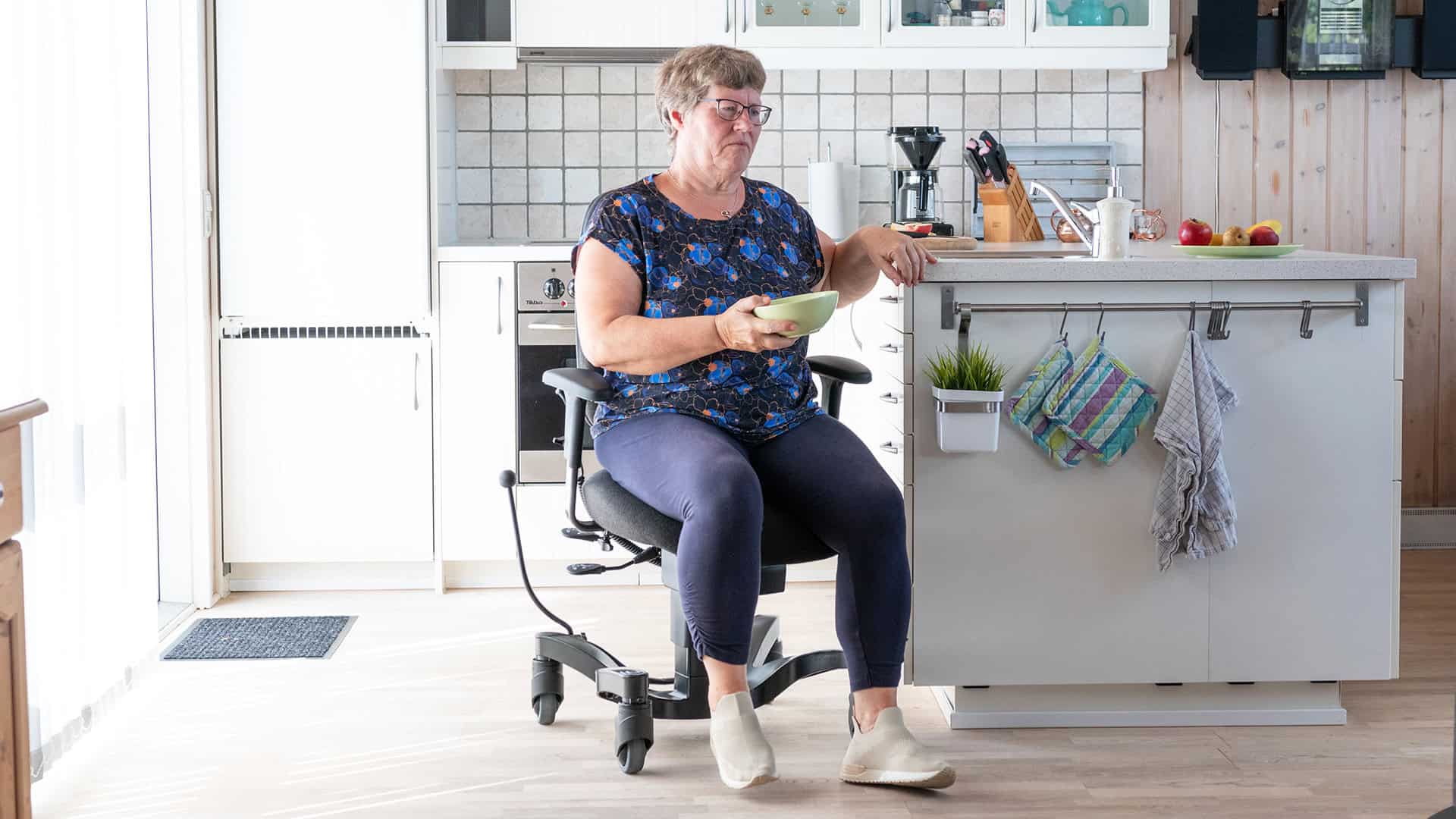
Innovative solutions like the VELA Independence Chair, robotic walkers, and ergonomic mobility devices support daily activities and safe movement, reducing caregiver strain and promoting greater autonomy. The integration of in-room sensor systems utilizing radar and audio for non-contact fall detection, as well as clinical-grade wearables for vital and safety monitoring, broadens support options. Intelligence from these systems now leverages AI to enable proactive, personalized interventions. Robotic systems are deployed in many facilities to support medication delivery and logistical household tasks, and advanced predictive analytics help forecast individual health trajectories for even more effective and individualized care (iHealthcareAnalyst; GlobeNewswire; AllSeniors.org).
A Comprehensive Approach to Senior Independence and Care with Visiting Angels
Visiting Angels Senior Home Care offers an extensive suite of services, meticulously tailored to individual senior needs, promoting a dignified aging process at home. This comprehensive approach now incorporates AI-driven smart devices, voice-activated assistants that foster safer and more responsive environments, and clinical-grade wearable monitors to track key health metrics continuously. In addition to established support like the VELA chair, Visiting Angels adapts to regulatory changes and growing expectations for personalization by working alongside families and seniors to co-create solutions, ensuring independent living is supported with the latest innovations. The global market for disabled and elderly assistive technology is projected to reach US$ 32.5 billion by 2026, with rapid growth in mobility solutions—a testament to both the demand for, and effectiveness of, such technologies in daily life. Consumer and independent reviews continue to affirm Visiting Angels’ commitment to technology-enabled care and individual empowerment (ATIA; World Health Organization; ConsumerAffairs; FactMR Market Research).
How Mobility Solutions Like VELA Make a Difference
For seniors opting to age in place, mobility solutions like the VELA Independence Chair can play a crucial role in enhancing their quality of life. The chair’s features, such as a central brake for added safety, electric height adjustability, and effortless movement while seated, directly address common challenges like fall prevention and energy conservation (Mobility Chairs for Fall Prevention). In 2026, mobility support has advanced further, with smart and ergonomic aids including power wheelchairs and scooters with integrated autonomous navigation, sensor-based pressure management, GPS functionality, and app-based control. These upgrades are now available even as retrofit options to existing equipment, allowing comfort and safety improvements without requiring full replacement. Clinical-grade wearable and non-wearable systems provide continuous health and safety monitoring, including heart and respiratory data and advanced fall-impact analysis, transmitting relevant information in real time to both caregivers and health professionals. AI-powered voice assistants and smart home devices coordinate daily tasks and medication regimens, reinforcing user independence and delaying or preventing the need for institutional care. Collectively, these solutions represent not only innovative products but also essential empowerment tools for families and seniors, underscoring the modern evolution and impact of assistive technology (PubMed Central; Equal Accessibility LLC; Ability MT; AllSeniors.org).
References:
- Heisinger Bluffs, “The Future of Senior Living: Trends to Watch in 2025”
- PubMed Central, “Recent trends in assistive technology for mobility”
- ButterflyMX, “Senior Living Technology Trends 2025”
- Equal Accessibility LLC, “Innovations In Assistive Technology”
- Age in Place Tech, “Technology for Aging 2025 Market Overview”
- Ability MT, “Exciting Assistive Technology for People with Disabilities”
- PubMed Central, “The Role of Assistive Technology in Enabling Older Adults to…”
- ATIA, “Assistive Technology Outcomes and Benefits” (Volume 19, Spring 2025)
- Lets Envision, “What’s Next for 2025: The Future of Assistive Technology & AI”
- World Health Organization, “Assistive technology fact sheet”
- iHealthcareAnalyst, “Geriatric Assistive Devices Market Trends & Outlook”
- GlobeNewswire, “U.S. Assistive Technologies for Older Adults Market Analysis 2025”
- AllSeniors.org, “Top Durable Medical Equipment Trends for Senior Caregivers in 2026”
- AllSeniors.org, “How Smart Tech is Revolutionizing Senior Community Living in 2026”
- FactMR Market Research, “Disabled and Elderly Assistive Technology Market Report”