

Updated September 2025: We have updated the article with recent advancements in assistive technology, such as AI-powered devices, smart wheelchairs, and adaptive input systems. The update also covers how these innovations impact caregiver roles, training requirements, and the quality of client care, reflecting new clinical and policy recommendations for integrating technology and personalization in senior care.
Evaluating Amada Senior Care’s Compensation and Care Options
Understanding compensation structures within senior care services is crucial for caregivers seeking employment and families considering care choices. One such provider is Amada Senior Care, which is known for its competitive pay rates and comprehensive care packages.
Caregiver Compensation at Amada Senior Care
Hourly Pay Ranges by Position
According to Indeed and ZipRecruiter, Amada Senior Care offers competitive pay reflecting geographical and role variations. Caregivers earn between $14 and $21 per hour on average, subject to regional market conditions. For instance, in Garland, TX, the rate ranges from $14 to $16, whereas in Laguna Woods, CA, it can reach $21 per hour.
Administrative roles, such as office assistants, have a pay bracket of $13.70 to $24.18 per hour. Nursing roles, which demand clinical expertise, command higher wages, with rates from $43.60 to $59.18 per hour, reflecting the premium placed on specialized skills (Amada Senior Care Salary Page).
Regional Variations and Client Costs
Regional variances in pay are due to local economies and living expenses. In Florida, the pay scales from $32 to $40 per hour, exceeding the state’s general pay standard of $30. This trend of surpassing state averages is consistent in other areas like Pennsylvania and Arizona, where caregivers earn $35-$38 and $34-$42 per hour, respectively (The Senior List).
Amada’s client fees range from $32 to $42 per hour, aligning with the industry standard of approximately $33 per hour. Clients face minimum hourly requirements, typically involving a four-hour minimum per shift.
Employee Satisfaction and Benefits at Amada
Amada Senior Care is consistently praised for employee satisfaction. Recognized as a top workplace in the Aging Services sector, 89% of the workforce express contentment, citing management trust and the meaningful nature of their work as factors (Amada Senior Care Jobs Page).
Amada provides flexible scheduling, career advancement, and continuing education. Such benefits support a balanced work-life dynamic and foster high employee morale.
Impact of Technological Advancements on Caregiver Roles
The landscape of caregiving is rapidly changing due to the integration of new assistive technologies in the home care environment. Recent innovations such as AI-powered smart glasses, brain-computer interface (BCI) prosthetics, and smart wheelchairs with autonomous navigation are enhancing mobility and independence for seniors and individuals living with disabilities (ThinkBeyondTheChair.org; Equal Accessibility LLC).
These technological advances are requiring caregivers at Amada Senior Care and similar organizations to adapt to new responsibilities, such as supporting clients with device operation, app-controlled mobility aids, and voice recognition systems. Caregivers may now receive training on setting up and maintaining smart wheelchairs and assisting clients with navigation tools or adaptive devices in the home. This evolution in the home care role not only enhances client independence, but also allows caregivers to provide a higher standard of support (PubMed Central; Ability MT).
Health policy and clinical recommendations now emphasize inclusive product development and integrated rehabilitation, making it important for care organizations to invest in ongoing education so caregivers can confidently help clients use the latest technologies. This approach not only benefits client outcomes but also supports professional development for caregiving staff.
Comparison to Industry Standards
Nationally, caregiver wages average around $19 per hour for homemaker-companion roles, and $15-$25 for in-home senior care. Amada’s $14-$21 per hour for caregivers positions them well within the competitive range (Indeed; ZipRecruiter).
Corporate employees see substantial compensation, with average annual earnings of $116,365, illustrating the organization’s robust compensation practices.
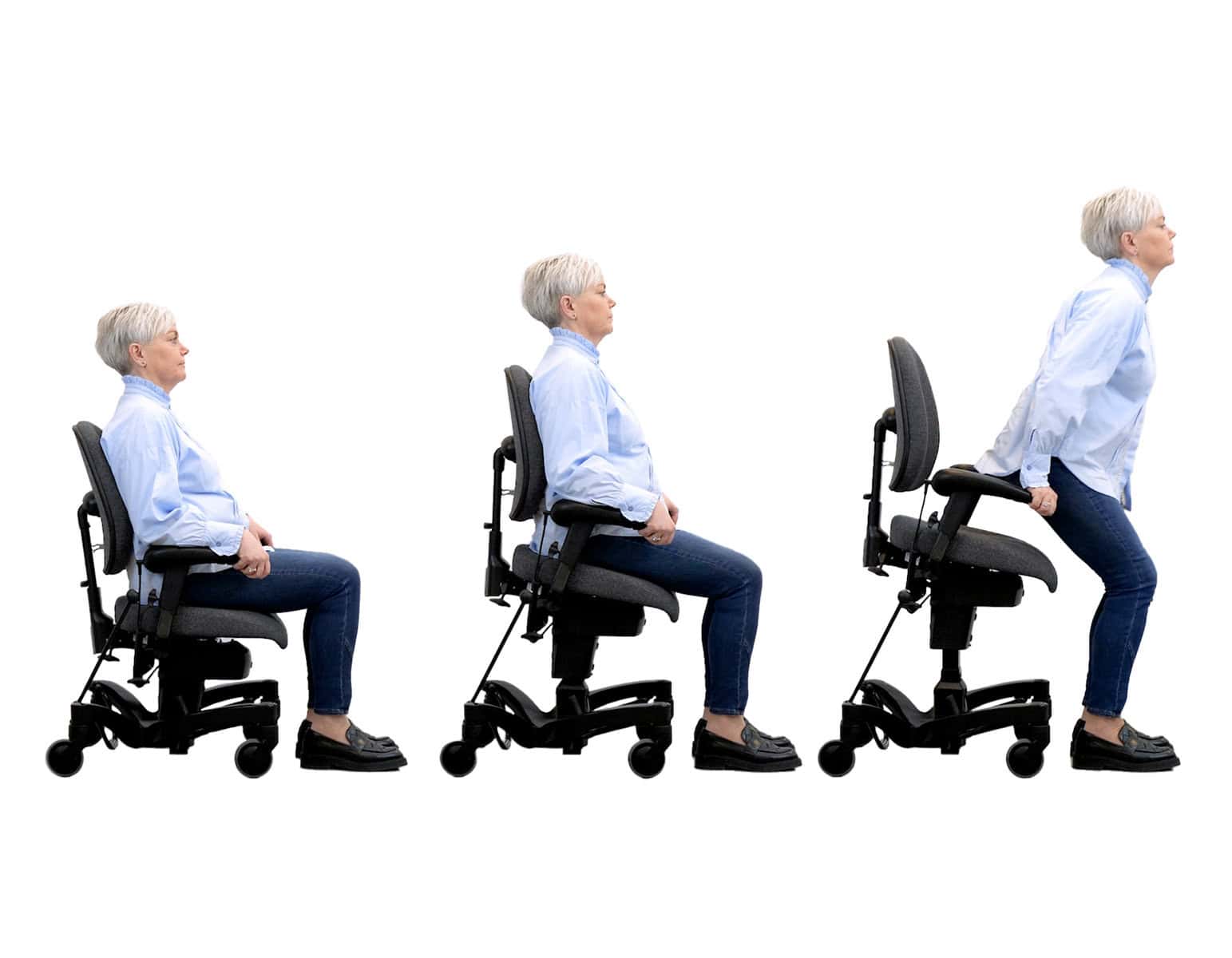
As families and caregivers face the challenges of finding high-quality care, it is crucial to consider alternatives that allow seniors to remain in their homes, maintaining independence while staying safe. One such solution is the VELA Independence Chair, a medically approved mobility chair designed for home use. The chair enhances both safety and freedom of movement, serving as a vital aid for daily activities such as cooking, dressing, or transferring. By reducing the load on informal caregivers, the VELA chair supports an environment where elderly individuals can thrive at home comfortably and securely.
Exploring Alternatives to Nursing Homes
Imagine life without the VELA Chair—where basic activities might be frustrating and pose a fall risk. In contrast, utilizing such a supportive aid turns daily chores into manageable tasks, empowering seniors with dignity and comfort.
While VELA is a proven option, it’s part of a wider array of solutions aiming to enhance the quality of home living for the elderly. Recent trends also support integrating AI-driven and adaptive devices, such as smart wheelchairs and exoskeletons, to further promote independence and safety at home (Equal Accessibility LLC; PubMed Central).
Sources
- ThinkBeyondTheChair.org: The Best Assistive Tech Gadgets in 2025 (AI glasses, BCI prosthetics)
- PubMed Central (PMC): Recent Trends in Assistive Technology for Mobility, focusing on user-technology integration in rehabilitation and ergonomic design
- Equal Accessibility LLC: Innovations in Assistive Technology including AI, adaptive devices, and voice recognition
- Ability MT: Smart Wheelchairs and Assistive Technologies Enhancing Mobility Independence
- ZipRecruiter: Amada Senior Care caregiver salary data
- Indeed: Amada Senior Care caregiver salary California