

Updated September 2025: We have updated the article to reflect new advancements in AI-powered assistive technologies, autonomous mobility aids, smart home integration, and telehealth regulations now shaping senior care. Enhanced information on customizable ergonomic devices, user-device integration, and technology-supported aging-in-place is included.
Empowering Golden Years: Optum Senior Community Care and the Future of Elderly Care
Ensuring the well-being of seniors is increasingly crucial as the elderly population grows. Optum Senior Community Care is a testament to this commitment, providing comprehensive, ongoing clinical management tailored for adults aged 65 and older. This program focuses on a range of care solutions designed to enhance the quality of life for seniors, whether they’re residing in assisted living facilities, skilled nursing homes, or their own residences. According to the Centers for Disease Control and Prevention, in 2021, 40% of adults 65+ lived with at least two chronic conditions, highlighting the potential benefits of integrated care systems like Optum.
Understanding the Elderly Care Landscape in 2025
By 2025, the U.S. elderly population is poised to hit 73 million, marking a critical inflection point referred to as “Peak 65.” This surge demands a reevaluation of our existing senior care frameworks, given prevalent issues like chronic diseases and social isolation. According to the National Council on Aging, many seniors live alone, exacerbating health risks such as loneliness, which can severely impact well-being. Recent trends show a rapid acceleration in the adoption of smart technologies and telehealth services to support seniors’ health, social connectivity, and independence, introducing advanced assistive devices and policies that further enable aging in place.[1][3][5][7]
What Is Optum Senior Community Care? Scope, Services, and Benefits
Optum Senior Community Care offers a wide range of services, including in-home care, assisted living, and skilled nursing support. This program bridges gaps in senior healthcare by streamlining communication between providers and minimizing unnecessary hospital visits. An essential benefit is the reduction in hospitalizations, a key advantage of Optum’s integrated systems (Optum Home & Community Care). Optum’s model now incorporates cutting-edge digital health tools, such as remote health monitoring, predictive health analytics, and telehealth, all supported by newer regulatory frameworks that ensure telehealth parity with in-person visits. These tools allow for more proactive, responsive care and improve seniors’ ability to manage complex health conditions at home.[1][5][7]
Evaluating Local Senior Care Providers: What to Look For
When choosing a senior care provider, prioritizing quality and regulatory compliance is essential, something Optum emphasizes through integrated clinical teams and personalized care models. Standards in assisted living and nursing homes typically include assessments and tailored support to ensure safety and well-being, as recommended by Medicare.gov. A growing area of focus is the provider’s ability to integrate and support advanced assistive technologies—such as AI-powered wearables, brain-computer interface prosthetics, and autonomous mobility aids—that help maintain safety, provide real-time health data, and optimize the user’s interaction with these devices.[2][3][4][5][6][8]
Cost Breakdown: Assisted Living, Skilled Nursing, and Home Care Compared
Care options come with different economic considerations. For example, the national average for assisted living stands at about $4,500 per month, while skilled nursing care can cost between $7,000 and $10,000 monthly, depending on the level of care and location. In-home care usually costs $25 to $30 per hour, according to Bankers Life. Recent advancements in technology-assisted home care can reduce long-term costs by preventing hospitalizations and enabling remote health management. Additionally, assistive technology adoption is increasingly supported by grants, insurance, and public funding, especially for solutions that enable safe aging in place.[3][5][8]
Integrating Assistive Technologies to Enhance Independence
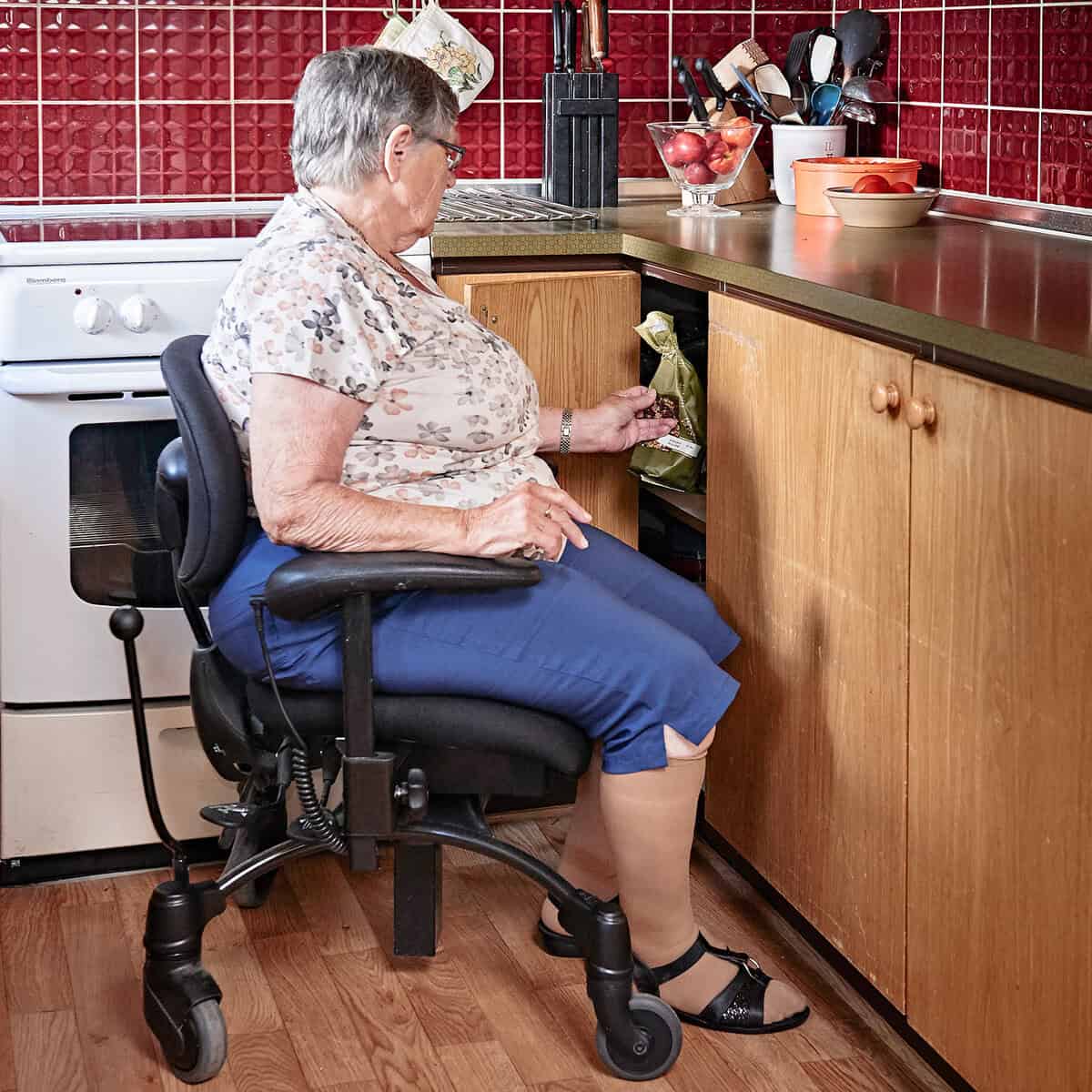
While traditional nursing homes offer necessary support, many seniors and their families are exploring ways to stay independent at home for as long as possible. Thanks to innovations like the VELA Chair, seniors can enhance their independence while reducing reliance on caregivers. The VELA Chair is a medically approved mobility aid designed for home use, offering enhanced safety and freedom of movement while seated. This chair supports daily activities, such as cooking, dressing, or transferring, thereby easing the strain on informal caregivers.
Today’s assistive technology landscape for seniors has expanded to include AI-powered smart glasses providing real-time visual assistance, brain-computer interface controlled prosthetics for natural movement via thought, and smart wheelchairs equipped with autonomous navigation and real-time health monitoring. Smart home systems with voice-activated controls, fall detection sensors, medication management, and connected telehealth access are now standard components of home care. Ergonomic and rehabilitation devices are increasingly customizable, leveraging AI, robotics, and shared control mechanisms to improve comfort, user-device interaction, and overall independence for a wider range of needs.[1][2][3][4][5][6][7][8]
Optum Senior Community Care stands as a pioneering force in responding to the evolving needs of the older population, effectively addressing the complex nature of geriatric care through its diverse array of services. It emphasizes personalized, integrated care models that not only fulfill medical needs but also ensure that seniors can enjoy a dignified and independent lifestyle. For those keen on exploring comprehensive care solutions, more information is available through Optum’s Skilled Nursing Facility Program.
Supporting Aging in Place: A Practical Option
For seniors who prefer to remain in their own homes, mobility solutions like the VELA Chair can make a significant difference. These chairs are designed to address key challenges discussed earlier, such as safety and ease of transfers, with features including a central brake for security, electric height adjustability, and effortless mobility while seated. Such innovations can delay the necessity for a nursing home, supporting a lifestyle infused with dignity and independence. Assistive chairs enhancing independence allow seniors to perform essential tasks like cooking or cleaning with reduced effort, thereby preserving energy and enhancing daily living experiences. While the VELA Chair is a proven option, the growing ecosystem of assistive and smart home solutions—including AI-powered environmental controls, smart health monitoring wearables, and advanced mobility technologies—enables seniors to create a more personalized, functional, and safe home environment, further promoting self-sufficiency and comfort.[1][2][3][5][7][8]
Sources:
- Harvard Business Review on senior living tech trends (2025) [1]
- Think Beyond the Chair on best assistive tech gadgets 2025 [2]
- ButterflyMX blog on senior living technology trends 2025 [3]
- PubMed article on assistive technology for mobility (PMC) [4]
- Cognitive Market Research report on assistive technology market 2025 [5]
- Equal Accessibility on innovations including adaptive keyboards, prosthetics [6]
- Washington State Care Fund report on leveraging tech for aging in place, telehealth regulations [7]
- Ability Montana blog on smart wheelchairs, autonomous navigation, assistive tech funding [8]