

Updated September 2025: We have updated the article with recent developments in assistive technologies for seniors, including the increased use of AI, smart home devices, and remote health monitoring in Wisconsin. Updates also highlight the state’s expanded SeniorCare coverage, new trends in rehabilitation practices, and ongoing improvements in care management and technology adoption.
SeniorCare Wisconsin: Simplifying the Application Process for Seniors
Navigating the world of senior care can feel daunting, especially with programs like the “SeniorCare Wisconsin Application.” As we delve into the intricate details of this application process, it’s important to emphasize the significance of such a program. With Wisconsin’s elderly population projected to reach 23.7% by 2040, the SeniorCare program is vital for supporting older residents. According to Wisconsin Department of Administration, it is crucial for addressing the needs of senior residents.
Understanding Eligibility for Wisconsin SeniorCare
Understanding who qualifies for SeniorCare is the first step. To qualify, you must:
- Be a resident of Wisconsin
- Be a U.S. citizen or have qualifying immigrant status
- Be 65 years of age or older
- Complete the SeniorCare Wisconsin application
- Pay an annual $30 enrollment fee (or $60 for couples) Wisconsin Department of Health Services (DHS)
Consider Mary, a newly turned 65-year-old Wisconsinite. She’s keen to join SeniorCare, knowing the significant impact it can have on her healthcare expenses. Since the program does not require health screenings or consider pre-existing conditions, Mary’s application process is straightforward, allowing her seamless access to valuable benefits without additional barriers.
Navigating the Application Process
Understanding the application process is crucial:
- When to Apply: You can apply in the month of your 65th birthday or any time thereafter (Wisconsin DHS).
- Start of Coverage: Benefits commence the month following application approval (Wisconsin DHS).
- Application Methods:
- Request an application through the SeniorCare Customer Service hotline at 1-800-657-2038.
- Download and print the application form from Wisconsin DHS.
Imagine James, a senior in Wisconsin, who leverages the hotline not only to obtain applications but also to get clarifications on each step. This hotline serves as a vital resource for seniors who find navigating digital processes challenging, providing timely, personalized support.
Coverage Levels and Benefits Explained
SeniorCare’s benefit levels are income-based, accommodating diverse financial situations. For instance, consider Laura and Tom:
- Level 1: Lower-income individuals like Laura experience reduced out-of-pocket expenses and more comprehensive coverage.
- Levels 2-4: Seniors like Tom, from higher income brackets, deal with varying deductibles and cost-sharing needs.
These levels ensure essential support in managing prescription costs, regardless of income disparities. More details can be found at Wisconsin DHS.
Integrating Solutions for Independence
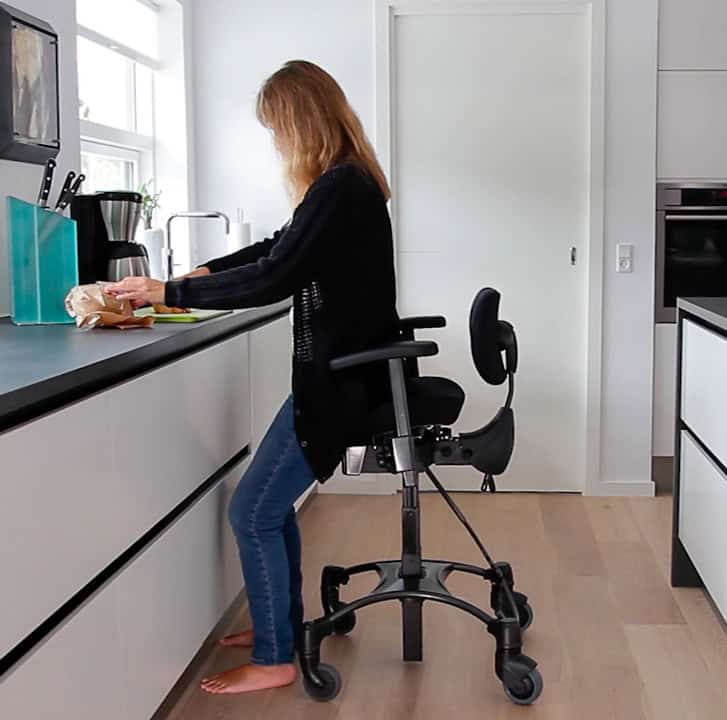
Despite the role of assisted living facilities in providing care, many seniors prefer aging in place, enjoying the comfort and familiarity of their own homes. Implementing solutions like VELA mobility aids can be pivotal in promoting independent living. The VELA Chair, a medically approved mobility chair, is designed for enhancing safety and ease of movement within the home. It provides seniors with the ability to manage daily activities such as cooking and dressing with greater ease and autonomy, while also reducing the caregiving burden on family members. With features like fall prevention, ergonomic design, and support for daily activities, VELA empowers seniors to uphold their independence and confidence at home.
As the field of senior care advances, Wisconsin is seeing greater integration of artificial intelligence (AI) and smart home technologies to support independent living. Devices such as voice-activated assistants, automated lighting, and wearable health trackers are now common in senior care settings and private homes. These technologies not only enable seniors to manage daily tasks more easily but also provide real-time health monitoring, supporting wellbeing and fast response to potential health concerns. Telemedicine and remote health monitoring are increasingly part of standard senior living programs, offering ongoing support after enrollment in programs like SeniorCare. Rehabilitation services may now include predictive analytics to allow for more personalized and responsive care planning.
Sources: Heisinger Bluffs;
CLA Connect;
Argentum;
Senior Housing News.
Policy updates in 2025 also include a modest increase in Family Care program capitation rates, helping support person-centered care management and continued access to home and community-based services. The SeniorCare program maintains its streamlined enrollment and is expanding coverage and vaccine adherence tracking. While technology adoption is growing in the senior care sector, experts note barriers such as funding challenges and the need for better interoperability across systems. Ongoing collaboration between technology providers and senior care organizations is viewed as vital to successfully delivering improved care.
Sources: Wisconsin DHS;
Wisconsin DHS – Aging Plan;
Medicaid.gov;
Argentum.
In summary, understanding the ‘senior care Wisconsin application’ process is crucial for Wisconsin residents entering their golden years. Programs like SeniorCare, along with tools like VELA chairs, lay a robust groundwork for preserving independence. For further insights and resources, WI Senior Care offers additional guidance on navigating elderly care options. By merging affordable medication access with mobility aids and leveraging current technology, seniors can lead more secure, dignified lives.
How Mobility Solutions Like VELA Make a Difference
Living independently at home can be a preferred option for many seniors over moving to a nursing home. With the help of VELA Chairs, individuals can maintain their autonomy longer by giving them the ability to perform everyday tasks with less strain and more safety. This chair’s features, such as a central brake for enhanced safety, electric height adjustability, and smooth-rolling wheels for easy in-place mobility, make significant differences in a senior’s daily life. Imagine preparing meals in the kitchen or spending quality time with family, activities made easier and safer with added support. While VELA Chairs are not the only option available, they represent a tested, practical choice. By boosting safety and energy efficiency, VELA helps seniors enjoy continued home life, delaying the potential need for nursing home care. Explore more about safe home environments for seniors through Supporting Seniors at Home and strategies for Safety Measures for Seniors.