

Updated September 2025: We have updated the article with new findings on modular robotic yard technology, ergonomic and battery-powered gardening tools, AI-powered health monitoring for seniors, and rehabilitative devices such as rehabilitation poles and chair lifts that further enhance independence and reduce injury risks during yard care.
Senior Lawn Care: Enhancing Independence and Safety for the Elderly
As our society ages, specialized services supporting seniors’ independence and safety are becoming crucial, and among these, “senior lawn care” plays a vital role. For many elderly individuals, a well-kept garden is a point of pride and an essential aspect of their independence and well-being. According to U.S. Bureau of Labor Statistics, 37% of eldercare recipients are 85 years or older. This highlights the physical limitations within this demographic and the need for assistance with yard work.
Understanding Senior Lawn Care Needs: Beyond Aesthetics
While aesthetically pleasing gardens enhance any community, their significance for seniors extends much further. Lawn care provides psychological benefits by giving seniors a sense of purpose and accomplishment. Physically, routine gardening offers mild exercise and fresh air, essential for better health. Research shows the demand for yard work assistance is especially high among seniors aged 75 and above.
Consider Mrs. Sharp, an 80-year-old avid gardener. Her garden, once her pride and joy, began falling into neglect due to mobility issues. With the help of a professional lawn care service, Mrs. Sharp’s garden was revitalized, allowing her to enjoy her hobby without physical strain, and improving her overall happiness and health.
Physical Limitations and Safety Concerns for Elderly Gardeners
Elderly individuals often face challenges in maintaining their gardens due to various physical constraints. Tasks like mowing and trimming present fall risks. This makes professional assistance not just beneficial but essential. The Cleveland Department of Aging’s Chore Services Program has been pivotal in reducing injury risks among seniors by providing external yard work help, leading to less physical strain and enhanced safety.
Recent advancements in assistive technology provide new solutions for these challenges. Modular robotic yard devices, such as the Yarbo Core modular yard robot, now enable seniors with mobility issues to automate lawn tasks like mowing, leaf blowing, and snow removal by simply changing attachments. Ergonomic and lightweight, battery-powered gardening tools—including cordless mowers, trimmers, and ratcheting pruning shears—are also increasingly available; these are specifically designed to reduce physical strain and accommodate reduced grip strength or joint pain source 12. In addition, telehealth and remote monitoring tools, including AI-driven fall detection systems, help to manage health risks while seniors participate in outdoor maintenance, supporting safer independent gardening 3.
Government and Community-Based Support Programs for Senior Lawn Care
Municipal and community programs are increasingly rising to the challenge of supporting elderly citizens with lawn care. Programs like the Cleveland Chore Services Program offer vital assistance by providing free grass cutting services to qualifying seniors and residents with disabilities. These services are crucial for maintaining the independence of seniors who live alone, as they enhance property aesthetics and bolster seniors’ self-esteem and community engagement.
Further advances in rehabilitation and mobility technology are making everyday yard tasks safer for seniors. Devices like rehabilitation poles are now recommended to improve balance during outdoor activities, while chair lifts can assist with access and movement between home and yard, thus reducing the risk of falls or other injuries 4. Additionally, low-maintenance yard options such as low-mow grasses, artificial turfs, and riding or robotic mowers are being promoted as ways to reduce required physical effort while maintaining curb appeal 5.
Smooth Transition to VELA
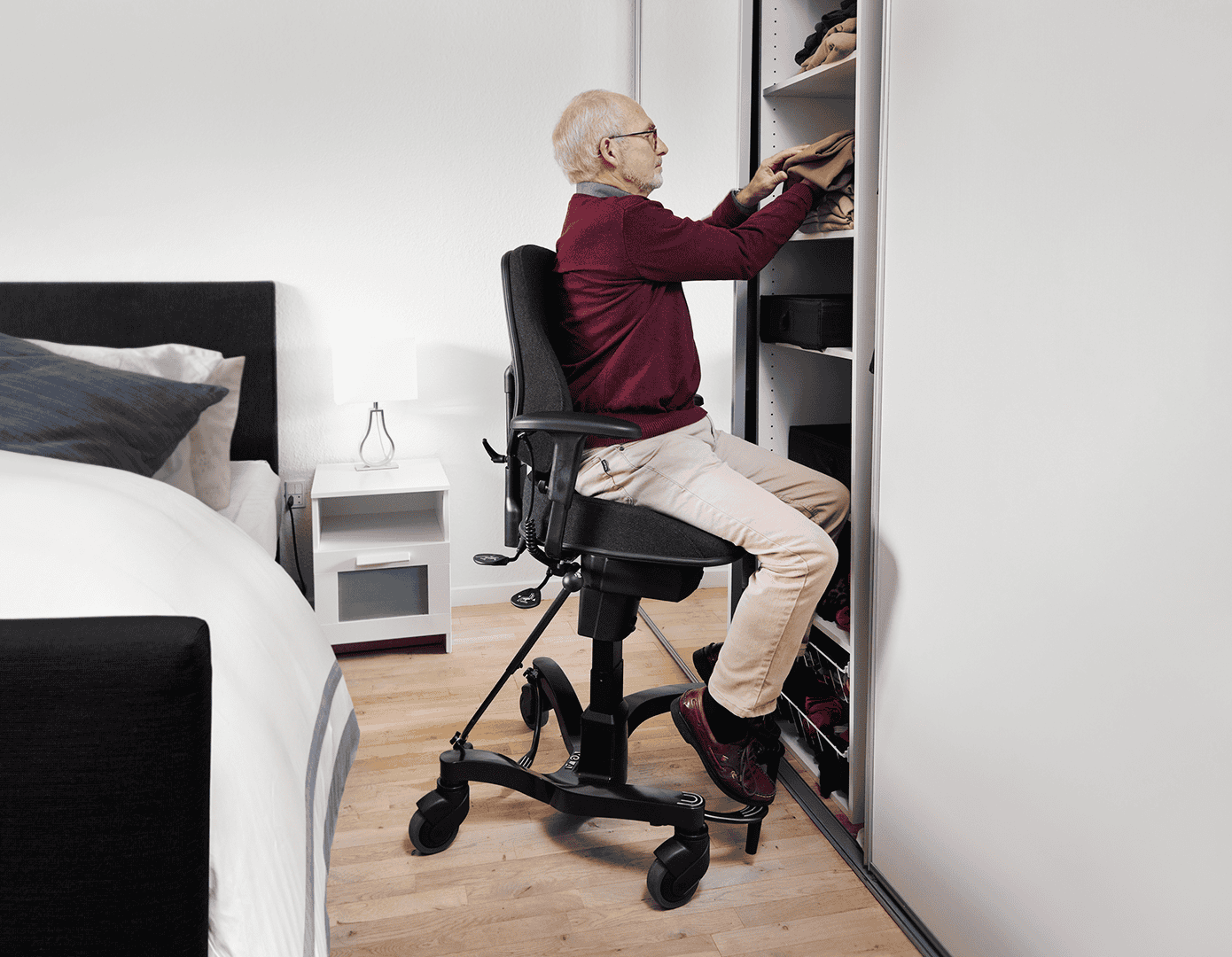
While maintaining outdoor areas is crucial, ensuring indoor mobility is equally important. Many seniors face the difficult choice of moving to nursing homes due to mobility challenges at home. However, solutions like VELA are pivotal in helping seniors remain independent in their own homes. VELA is a medically approved mobility chair designed for home use, offering enhanced safety and freedom of movement while seated. It supports daily activities such as cooking, dressing, or transferring, significantly reducing the physical burden on informal caregivers.
Preserving Independence: The Role of Lawn Care in Senior Well-being
In conclusion, “senior lawn care” is not merely an upkeep service; it is an essential support mechanism for older adults seeking to maintain their independence. By leveraging a synergy of professional services and accessible community programs, seniors can enjoy a secure and beautiful environment without the burden of physical exertion. The integration of indoor mobility solutions like VELA chairs complements these efforts by safeguarding indoor activities. Prioritizing the well-being of our elderly population through these dual approaches will significantly enhance their quality of life.
Supporting Aging in Place: A Practical Option
VELA Chairs provide an essential tool for seniors aiming to remain independent in their homes, potentially delaying the need for nursing home care. Designed with features that prioritize safety and ease of use, such as a central brake system for stability, electric height adjustment for optimal reach, and fluid movement while seated, these chairs foster independence and self-sufficiency. Seniors using VELA Chairs enjoy more energy, maintaining the ability to participate in everyday activities like cooking and cleaning safely. While VELA isn’t the only solution, it exemplifies how innovative seating solutions help preserve dignity and autonomy for older adults. The chair helps bridge the gap between needing full-time assistance and living independently, offering caregivers peace of mind and reducing their daily workload. Overall, VELA Chairs support the ideal of aging in place by enabling seniors to continue living comfortably and safely in their own homes.