

Updated September 2025: We have updated the article to reflect the latest advances in power-assisted gardening tools, AI-driven lawn care technology, improved rehabilitation devices, and new clinical guidelines for fall prevention and safe independence among seniors. Additional sources now provide guidance on using motorized, ergonomic equipment and accessible environmental modifications for safer, more accessible lawn care.
Empowering Seniors with Safe and Accessible Lawn Care Solutions
Maintaining a well-kept lawn is important for many senior citizens, not just for aesthetic reasons but also for enabling independence and promoting emotional well-being. However, as people age, physical limitations can make yard work challenging. Understanding the unique lawn care needs of senior citizens becomes crucial in supporting their autonomy. According to the National Institutes of Health, gardening services are highly valuable for frail older people, enabling them to maintain a sense of independence. Coupled with statistics from the U.S. Bureau of Labor Statistics on the prevalence of unpaid eldercare, it’s evident that accessible and affordable lawn care is crucial for senior citizens.
Understanding the Unique Lawn Care Needs of Senior Citizens
Many seniors experience physical conditions such as arthritis, balance issues, and chronic illnesses, which can significantly impede their ability to perform yard work. Lawn care maintenance becomes more than a task; it is part of their health management and overall mental well-being. Consider the story of Margaret, an 82-year-old woman who, despite her arthritis, continues to maintain her garden with support from a local volunteer program. This illustrates the profound impact that tailored assistance can have on maintaining independence and quality of life. The National Institutes of Health supports this by noting that such services not only foster independence but also enhance mental well-being by keeping seniors engaged and active.
Health and Safety Risks of DIY Yard Work for Older Adults
Gardening offers numerous benefits but also presents risks, particularly for older adults. Falls and overexertion during yard maintenance are common and potentially dangerous. According to Seniorsite, 32% of seniors’ homes have unsafe steps and stairs, creating hazardous conditions for yard work. To mitigate these risks, it’s essential to use ergonomic tools and ensure safe walkways. For example, after Margaret experienced a fall due to an uneven sidewalk, modifications were made to ensure her safety, allowing her to enjoy gardening again, underscoring the importance of proactive safety measures.
Recent innovations in assistive devices significantly minimize these risks. Power-assisted gardening tools, including electric kneelers, motorized planting aids, and rehabilitation poles specifically designed for balance, have been shown to reduce physical strain and mitigate fall risks more effectively than traditional canes and walkers. Robotic lawn mowers and AI-driven scheduling tools also now support seniors by decreasing the need for physically demanding tasks, creating safer routines and environments for elderly users. Lawnscape Specialists Team, AR Home Care, Cornell Cooperative Extension of Genesee County
Affordable Lawn Care Service Options for Seniors
Financial constraints can significantly impact seniors’ ability to access regular lawn care services affordably. Fortunately, there are numerous economical options available. Community-based initiatives like “I Want To Mow Your Lawn Inc.” provide volunteer services aiding seniors in yard maintenance without financial strain. Additionally, local programs offer sliding-scale services for seniors managing their yards on a limited income. The National Association of Landscape Professionals reports that older adults are significant consumers of lawn services, highlighting the importance of offering discounted services to ensure sustainability of their outdoor spaces.
Alongside traditional services, new policy guidelines now encourage integrating a mix of affordable tools with advanced assistive technologies to ensure comprehensive support. For those who wish to remain active in yard care, adopting both simple ergonomic devices and more sophisticated options like automated mowers, power-assisted tools, and emergency medical alert systems is increasingly recommended. This blended approach combines practicality, affordability, and safety for a wide range of mobility needs. AR Home Care, Bethesda Health Blog
Choosing and Vetting Reliable Local Lawn Care Providers
Selecting a reliable lawn care provider is paramount, particularly for senior citizens. It’s crucial to conduct background checks and ensure providers are insured. Effective communication is vital—seniors should discuss their specific needs and preferences with potential providers. A family recounted their journey of finding a dependable service after repeated issues with inconsistent providers, emphasizing the value of thorough vetting. Seniorsite provides guidance on securing affordable and trustworthy yard work assistance, stressing the importance of selecting the right provider.
Providers familiar with new assistive technologies, such as AI-driven scheduling, adaptive ergonomic tools, and robotic maintenance, may offer enhanced safety and more custom-tailored service to elderly clients. Including these considerations during provider selection ensures that both current and evolving needs can be effectively met. Lawnscape Specialists Team
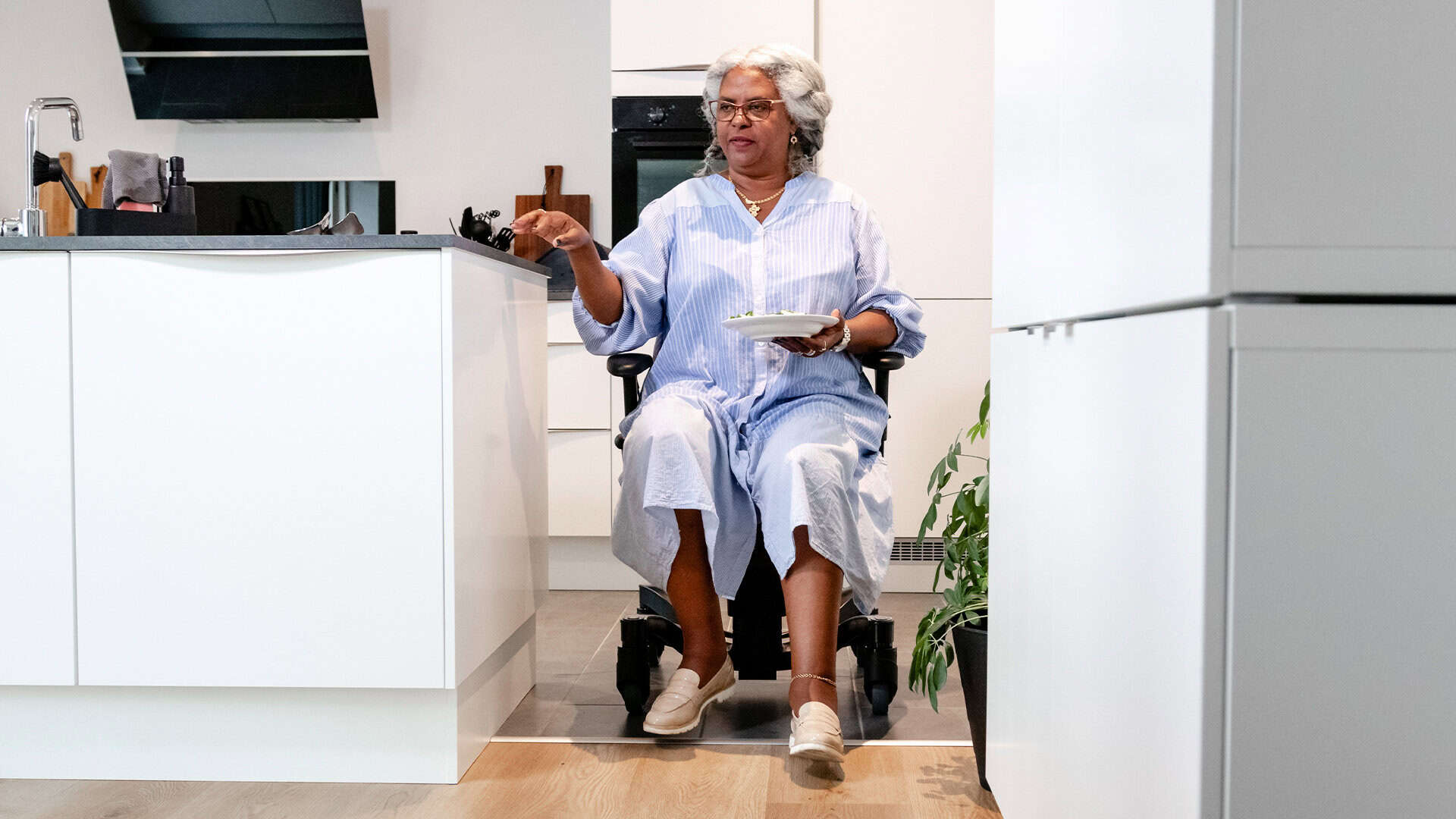
Addressing the challenges of nursing homes earlier mentioned involves considering all avenues that permit older adults to remain independent in their homes for as long as possible. Among the innovative solutions aiding this objective is the VELA Independence Chair, a medically approved mobility chair designed specifically for home use. This chair facilitates enhanced safety and mobility, empowering seniors during everyday activities such as cooking, dressing, and transferring in and out of seats, while significantly reducing the workload on informal caregivers. By integrating such Mobility Solutions for Seniors, seniors can continue living comfortably and independently, minimizing the immediate need for more reliant care settings.
Exploring Alternatives to Nursing Homes
Remaining independent at home is a deeply valued preference for many seniors who wish to avoid the institutional setting of nursing homes. Mobility solutions like the VELA Independence Chair make a tangible difference in achieving this goal. With features that specifically address typical challenges faced by seniors, such as a secure central brake for safety, electric height adjustability for ease of reaching, and seamless movement while seated, this chair supports seniors in conserving energy and maintaining autonomy. By easing tasks like cooking and cleaning, the VELA Chair contributes significantly to a dignified, independent lifestyle. While not the sole remedy for aging in place, it represents a practical and proven component of a comprehensive strategy that supports the health and well-being of seniors, potentially delaying the need for institutional care.
References
- Lawnscape Specialists Team, Safe and Accessible Lawn Care for Elderly Residents (2025)
- AR Home Care, 8 Simple Assistive Technology Tools Seniors Need Today (2025)
- Seniorsite.org, 15 Best Assistive Devices for Elderly (2025)
- Cornell Cooperative Extension of Genesee County, Adaptive Tools for the Garden (2025)
- Bethesda Health Blog, Lawn Care Checklist for Seniors Aging in Place (2025)