

Updated September 2025: We have updated the article to include the latest trends in smart home automation, AI-driven systems, wearable health technologies, telemedicine, advanced assistive mobility and cognitive devices, robotic companions, and recent regulatory guidelines on data security and user-centered design in senior care.
Future-Proofing Advanced Senior Care Home Health Services
As the U.S. grapples with an aging population, the demand for advanced senior care home health services continues to rise. Aging in place is not just a preference, but a necessity for many seniors. The U.S. Census Bureau projects that by 2030, adults over 65 will comprise 21% of the population, highlighting a pressing need for dedicated home health services. CMS also predicts an increase in Medicare payments to Home Health Agencies, signifying the sector’s critical role in health care.
The 2025 Landscape of Advanced Senior Care Home Health
Looking towards 2025, the senior population growth will significantly impact home health services. The shift towards high-quality, personalized care is crucial for allowing aging adults to remain comfortable and safe in their homes. According to a report by Provider Magazine, trends in the industry show a focus on enhancing operations and leveraging technology to meet growing demands, ensuring seniors receive the best care possible.
In recent years, there has been significant growth in the adoption of smart home automation and AI-driven systems within senior living environments. These include smart access controls, video intercoms, environmental controls for lighting and climate, as well as predictive analytics that assist caregivers in health and care planning. This smart technology is optimizing both safety and resource efficiency across senior care settings.ButterflyMX Harvard Business Review Health Care CLA Connect
The ability of home health care to support seniors with chronic conditions, such as Alzheimer’s and hypertension, from the comfort of their homes cannot be overstated. Customized care plans enable these individuals to stay in familiar surroundings while receiving support tailored to managing their conditions effectively.
Who Needs Advanced Home Health Care? Demographic and Health Profiles
Primarily, seniors with chronic health issues require advanced home health care. Conditions like high blood pressure, Alzheimer’s, arthritis, and diabetes are common among this demographic, as outlined by CDC’s statistical data. These services aim to address both physical and emotional needs, promoting a fulfilling life despite health challenges.
Wearable health technology and telemedicine platforms are now playing a greater role in supporting seniors. These devices can continuously monitor vital signs, detect falls, and provide real-time alerts to caregivers, enabling rapid intervention while preserving independence. Telemedicine is increasingly routine, including specialized geriatric services and AI-augmented diagnostics, letting seniors consult remotely with health professionals and receive personalized care recommendations. Harvard Business Review Health Care My Care Concierge St. George Mayo Senior Services
Consider a real-world scenario: A senior living independently, managing diabetes and mobility issues, benefits enormously from regular health check-ups, adaptive mobility aids, wearable monitoring, and smart home support, enhancing their quality of life and allowing for prolonged independence.
Key Features and Innovations in Modern Home Health Services
Modern home health services are increasingly defined by innovations such as telehealth, smart home systems, advanced assistive devices, and integrated care models. These innovations facilitate efficient health monitoring and improved care outcomes. Provider Magazine Increasingly, sophisticated wearable devices and cognitive aids support both mobility and memory care, including ergonomic smart wheelchairs and GPS-enabled navigation tools tailored for seniors with disabilities or dementia. Channel Point Village St. George Mayo Senior Services
Telehealth has expanded considerably, making virtual healthcare not only accessible but also comprehensive, with AI-driven health analytics supporting clinical decision-making in real time. Robotic companions and AI assistants are also entering the care environment, helping with both physical and emotional support, reducing loneliness, and facilitating engagement. Many of these technologies are being validated in clinical studies, showing improved outcomes for seniors and support for caregivers.My Care Concierge St. George Mayo Senior Services
Recent policy and regulatory trends have placed special emphasis on interoperability, cybersecurity, and privacy protection. This ensures that health data remains secure and that the various digital tools employed in senior care work seamlessly together, benefiting both seniors and their care teams.CLA Connect Argentum & A Place for Mom
Alongside regulatory compliance, experts highlight the growing need for inclusive, barrier-free digital tools and the co-development of new products in collaboration with seniors and caregivers, so that all users—including those with cognitive or physical impairments—can confidently access and benefit from these solutions. Channel Point Village My Care Concierge
Technology, Safety, and Independence in Senior Home Health
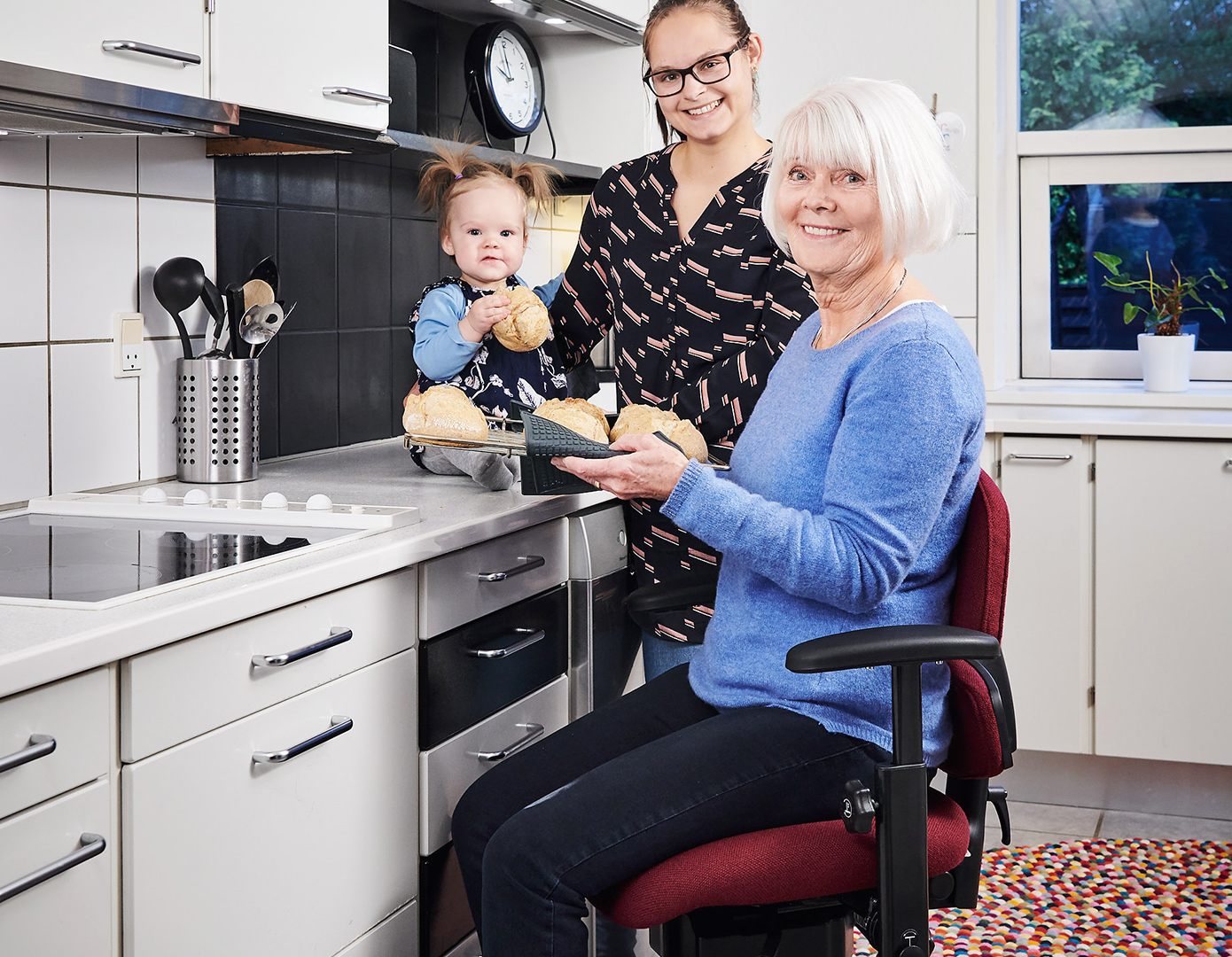
Technology and specialized equipment significantly enhance safety and independence for the elderly. Tools like the VELA chair prevent falls and support independent living, which is essential for maintaining dignity and safety in home care.
Transitioning from traditional nursing homes, where independence can often be diminished, to home-based solutions presents challenges for many elderly individuals. Systems like the VELA Independence Chair offer a valuable alternative, enabling older adults to maintain their autonomy in familiar surroundings. VELA is a medically approved mobility chair designed specifically for home use. It offers enhanced safety features, such as a central brake, freedom of movement while seated, and support for daily activities like cooking, dressing, or transferring. This ensures not only the elderly’s independence but also reduces the physical burden on informal caregivers.
Additional sources:
- ButterflyMX. Senior Living Technology Trends 2025
- Harvard Business Review Health Care. The Future of Senior Living: Trends to Watch in 2025
- My Care Concierge. How Technology will Transform Senior Care in 2025
- CLA Connect. Senior Living and Care: Four Key Drivers of Activity in 2025
- Channel Point Village. How Assistive Technologies are Shaping Senior Care in 2025
- Argentum & A Place for Mom. State of Technology Adoption in Senior Living 2025
- St. George Mayo Senior Services. Innovative Technologies Transforming Senior Care & Living