

Updated September 2025: We have updated the article to reflect the latest advances in senior care, including the integration of AI-driven smart home technologies, advanced wearable health monitoring, connected care ecosystems, expanded telemedicine, and current policy developments supporting technology-enabled independence for seniors.
Meeting the Demand: Senior Care Medical Groups
As seniors become a more significant segment of the U.S. population—projected to comprise 26% of all Americans by 2035—the importance of senior care medical groups grows accordingly. These groups are pivotal in providing specialized care to meet the unique healthcare needs of this demographic. According to America’s Health Rankings Senior Report, healthcare tailored to these chronic conditions is essential for improving quality of life among seniors.
The Vital Role of Senior Care Medical Groups in Geriatric Health
Senior care medical groups stand at the forefront of addressing the intricate needs of older adults. These entities are more than mere healthcare providers; they are specialized networks focusing on age-specific requirements. By employing geriatric specialists, these groups ensure that older adults receive comprehensive, age-appropriate medical care.
In Georgia, for example, a leading medical group has successfully incorporated geriatric practices through initiatives like the “WellSenior Program,” which has led to significant improvements in patient outcomes by involving personalized care plans and preventive strategies.
Emerging Trends Shaping Senior Healthcare
Today’s senior care landscape is influenced by emerging trends reshaping care delivery. According to the American Hospital Association, understanding these trends is crucial for senior care providers. For instance, integrating mental health support and financial counseling is crucial for managing the stresses seniors face today.
Recently, there has been a surge in the adoption of smart home technologies, AI-driven health monitoring, and connected devices designed specifically to enhance the independence and safety of seniors. Voice-activated assistants, smart lighting, intelligent thermostats, and wearable health trackers now feature AI-enabled fall detection, predictive analytics, and real-time vital sign monitoring that can communicate directly with care teams and family caregivers.[2] [5]
Telemedicine and virtual care have become standard practice, offering remote consultations and facilitating timely interventions for chronic and acute health issues, which is especially critical for those with mobility challenges.[1] [3]
Home Healthcare: A Path to Independence for Seniors
An emerging trend that offers a promising solution to senior independence is the growth of home healthcare services. In Georgia, medical groups offer personalized in-home care services showing tangible benefits such as a reduction in hospital readmissions and enhanced autonomy.
Home healthcare increasingly leverages connected care ecosystems: wearables and environmental sensors combine with remote patient monitoring (RPM) platforms to generate actionable data and support proactive, individualized intervention strategies.[5] [4] These advances are designed both for clinical efficiency and for maximizing the quality of life of older adults wishing to stay at home.
Enhancing Mobility and Safety with Adaptive Equipment
Mobility is a critical component of senior health, and adaptive equipment like VELA chairs plays a significant role in maintaining independence and safety. While these improvements are significant, the devices should be evaluated for individual suitability.
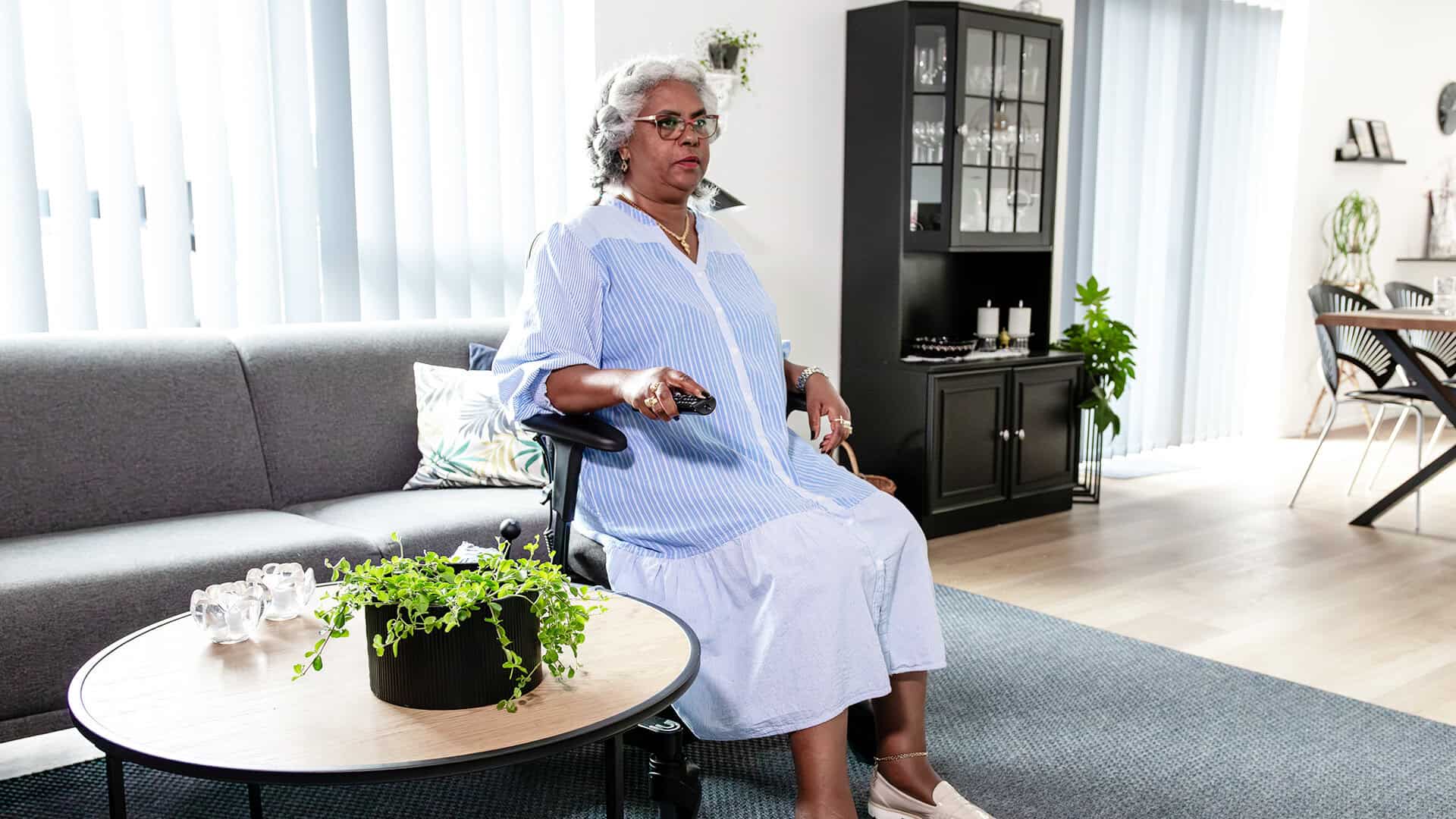
Transitioning to a supportive living environment while avoiding the confines of a nursing home can be challenging for many seniors. Solutions like the VELA Independence Chair offer medically approved mobility support, designed to enhance safety and freedom of movement while seated. These chairs assist in daily activities such as cooking, dressing, or transferring, all the while reducing the burden on informal caregivers. By facilitating independence within the home, the VELA chair supports seniors in maintaining their autonomy and dignity.
The latest rehabilitation best practices emphasize user-centered inclusive design and ergonomic features to ensure safety, comfort, and prolonged usability for seniors of varying abilities.[2] [3]
Supporting Aging in Place: A Practical Option
The VELA Independence Chair offers a prominent solution for seniors wishing to age in place. Its features, such as a central brake for enhanced safety and electric height adjustability, address critical issues like fall risks and energy conservation. This type of technology not only provides physical support but also encourages psychological well-being by granting seniors the dignity and freedom to perform everyday tasks such as cooking or relaxing.
Without such supportive tools, seniors may face increased reliance on caregivers and a quicker transition to nursing homes. However, with a VELA chair, the ability to manage daily activities independently is extended, delaying or even eliminating the need for institutionalized care. While it’s not the only available solution, the VELA chair represents a valuable option for those looking to maintain their independence at home. Other mobility solutions, like Mobility Solutions for Seniors and Independent Living Solutions for Seniors, also play crucial roles as effective and practical tools for aging in place.
New reimbursement models and Medicaid enabling technology benefits are expanding access to such assistive devices for more seniors, aiming to reduce caregiver burden and support aging in place at a systemic level. However, challenges related to cost, awareness, and technology usability remain. Market trends indicate a growing adoption of these solutions by both seniors and their caregivers, but continued focus on education and accessible design is needed to further bridge the gap.[6] [8]
References
- Heisinger Bluffs, “The Future of Senior Living: Trends to Watch in 2025”
- Cyces, “AgeTech Trends 2025: AI, Robotics & the Future of Aging”
- Peters Creek, “Embracing Independence: The Role of Assistive Technologies in Senior Care”
- UnitedHealthcare Community & State, “How enabling technology is transforming home-based care”
- Caring Data, “Technology in Senior Care: How Innovation Is Transforming Care”
- GlobeNewswire, “U.S. Assistive Technologies for Older Adults Market Analysis Report 2025”
- AgeInPlaceTech, “Caregiving in the US 2025 – More tech, but not as much as caregivers could use”
- America’s Health Rankings Senior Report
- American Hospital Association – Societal Shifts in Healthcare