

Updated September 2025: We have updated the article with new findings on AI-driven assistive technologies, smart home adaptation systems, the integration of biophilic design for rehabilitation, enhanced clinical evidence on robotics for mobility, a renewed focus on mental health and emotional support in senior care counseling, and advancements in telemedicine and personalized care planning.
Understanding Senior Care Counseling: Purpose and Process
Senior care counseling is a critical service designed to support older adults and their families in navigating the complexities of elder care. Its primary objectives include assisting seniors as they transition through various living arrangements, manage chronic illnesses, and address mental health concerns.
The counseling process starts with an initial assessment that takes into account not only the medical but also the emotional and social aspects influencing a senior’s well-being. This is followed by the development of personalized care plans that offer ongoing support. For instance, families coping with Alzheimer’s can use senior care counseling to explore appropriate care options under the guidance of experts. According to the National Center for Assisted Living, 42% of residents in assisted living facilities have conditions like dementia, highlighting the need for specialized support.
Demographics and Needs of Today’s Elderly Population
The aging Baby Boomer generation and adults aged 80 and above are increasingly at the center of senior care services. The U.S. population aged 80+ is expected to rise to 14.7 million by 2025, according to NIC MAP. Common health challenges include dementia, mobility impairments, and chronic conditions such as heart disease. Socio-economic status plays a significant role in access to care, with 14.1% of seniors living in poverty, which affects their ability to secure necessary elder care resources.
Navigating Senior Care Choices: Counseling for Home, Assisted, and Memory Care
Selecting the right care type is critical for families deciding between home care, assisted living, or specialized memory care. Senior care counseling provides invaluable insights into each option by tailoring advice to individual needs and preferences. Consider a senior wishing to age in place; a counselor’s expertise can help identify and implement necessary home modifications to ensure safety and comfort. Insights from McKnights Senior Living underscore shifts in the senior living industry, emphasizing the evolving role of personalized care plans. Modern approaches now increasingly emphasize the use of telemedicine, smart safety technologies, and innovative environments that incorporate natural elements for overall well-being, making the decision-making process more comprehensive and personalized for each family.Heisinger BluffsAR Home Care
Regulatory Standards and Quality Measures for Senior Counseling
Regulatory standards at both state and federal levels play a pivotal role in maintaining the quality of senior care counseling services. Regulations ensure counselors are certified and services meet established quality standards. For example, Medicare outlines coverage details and quality standards as seen on Medicare.gov, providing families with crucial information on services and benefits. Recent regulatory trends place added emphasis on individualized care plans, ensuring not only physical safety and mobility, but also mental health and emotional support as part of holistic elder care.SeniorHealthPA
Integrating Assistive Devices: The Role of VELA Chairs in Elderly Home Care
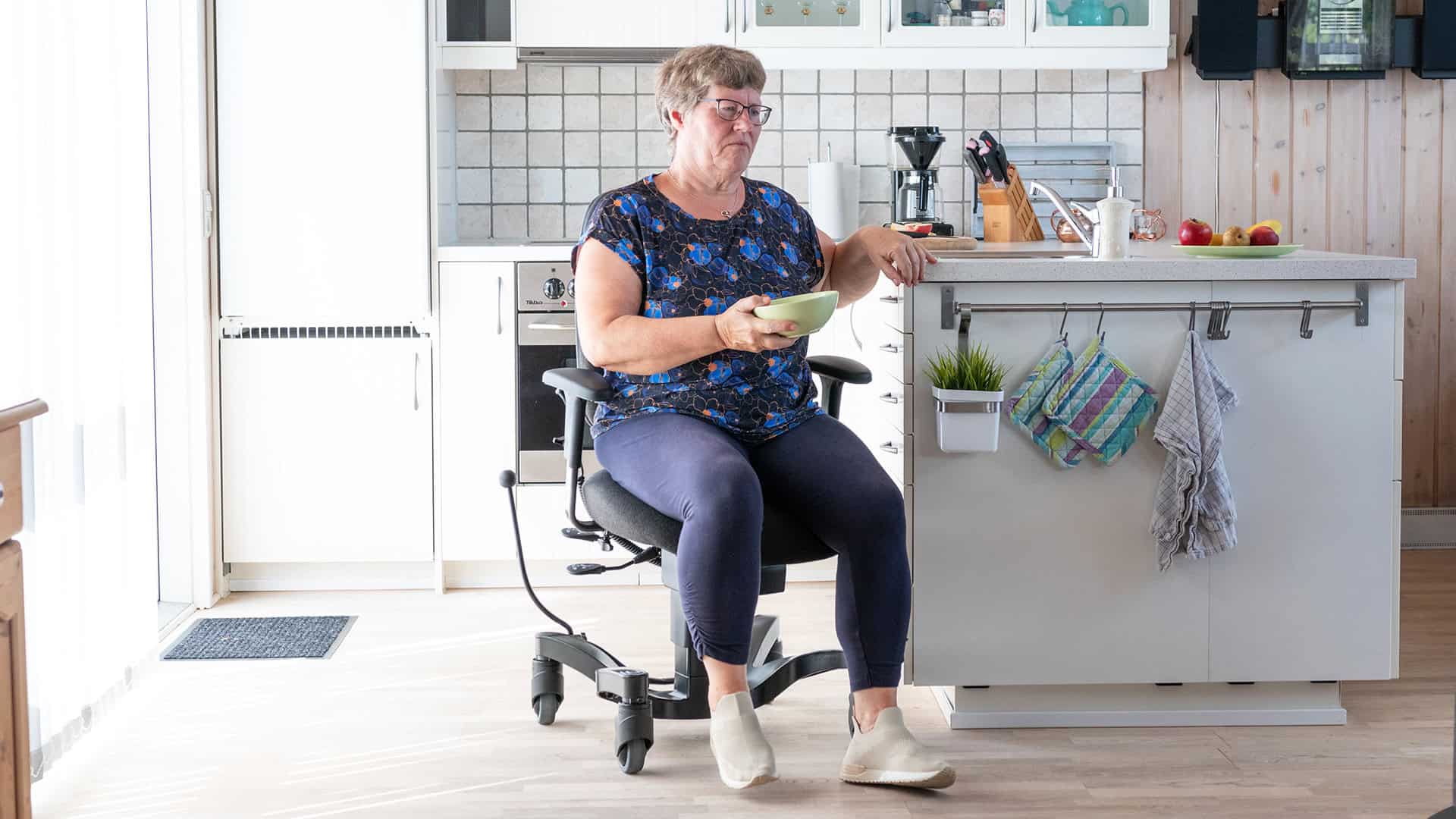
While nursing homes offer extensive care, many seniors and their families seek solutions to maintain independence within the comfort of their own homes. Addressing this demand, products like VELA Chairs provide a viable alternative by enhancing mobility and safety. The VELA Chair is a medically approved mobility chair designed for home use, emphasizing safety through features like a central brake to prevent falls, electric height adjustability for smooth transitions, and effortless movement while seated. This chair significantly supports daily activities such as cooking, dressing, and transferring, thereby reducing the load on informal caregivers and helping seniors maintain their independence.
As the field evolves, assistive technologies for seniors now include AI-powered wearables, advanced robotic exoskeletons, and intelligent home systems that monitor health and adapt living environments in real time. These innovative devices, alongside ergonomic solutions like VELA Chairs, have demonstrated substantial improvements in mobility safety and overall autonomy for seniors. Clinical studies show that AI-enabled robotics can reduce fall risks and improve walking stability by up to 45%.INTCO MedicalCaring Data
Senior care counseling plays a pivotal role in creating tailored support plans for seniors and their families, ultimately enhancing the quality of life. This service extends beyond simple advisement by encompassing comprehensive evaluations and personalized recommendations, integrating modern assistive technologies like VELA chairs and new AI-driven devices. The result is a cohesive, data-driven approach that addresses the physical, emotional, and mental health needs of seniors, supported by authoritative sources like the National Center for Assisted Living and Medicare.gov. Consequently, families become empowered to make informed decisions that best align with their unique situations and evolving care needs.
Supporting Aging in Place: A Practical Option
For seniors determined to maintain their independence and stay in their own homes, VELA Chairs offer a transformative solution. These chairs facilitate day-to-day living by addressing safety concerns with a central brake system, enhancing accessibility through electric height adjustments, and promoting ease of mobility while seated. This support enables seniors to perform everyday tasks such as cooking, cleaning, and relaxing with greater ease and confidence, significantly delaying the potential need for nursing home care. Moreover, by reducing the physical and emotional burden on caregivers, VELA Chairs foster an environment where dignity and freedom are preserved. Though not the only solution, as Independent Living Aids suggests, they represent a practical ally in the quest for a comfortable, independent life at home.
Emerging practices in senior care now extend further to include smart home adaptations powered by artificial intelligence and IoT technology. These systems support seniors with features like medication reminders, automatic emergency responses, and custom, biophilic living environments that have been shown to aid cognitive function and emotional well-being. Alongside community-based mental health programs and telehealth services, these developments provide holistic support, ensuring seniors can age in place safely, healthily, and with a higher quality of life.AR Home CareCaring Data