

Updated September 2025: We have updated the article to reflect new advancements in AI-enabled assistive technologies, including smart glasses, brain-controlled prosthetics, robotic self-feeding devices, and next-generation smart wheelchairs. The article now references enhanced user-centered, ergonomic design and current global policy recommendations, supporting greater independence and quality of life for seniors at home.
Introduction
In recent years, Georgia’s senior population has experienced significant growth, with an influx of 60,000 seniors from 2022 to 2023, as documented by the U.S. Census Bureau. This demographic shift necessitates a surge in high-quality home care services that cater to the aging community’s needs.
Overview: Georgia Living Senior Home Care—Services & Philosophy
Georgia Living Senior Home Care places a strong emphasis on individualized, non-medical support, allowing seniors to age comfortably in their own homes. Their mission centers on offering compassion, integrity, and respect, ensuring that every interaction is meaningful and tailored. Their professional caregivers are adept at performing a range of tasks from meal preparation to providing companionship and facilitating transportation, aiming to preserve seniors’ quality of life and autonomy.
According to LTC News, Georgia Living Senior Home Care is acclaimed for its empathetic and professional staff, which exemplifies their dedication to excellence. On a typical day, a senior might experience caregivers ensuring timely medication intake, preparing meals, organizing walks, and managing transportation, all underscoring the personalized attention provided to each client.
Georgia’s Aging Population: Key Statistics and Trends
Georgia’s aging population faces numerous challenges, with Alzheimer’s disease and other dementias becoming increasingly common. The Alzheimer’s Association (Georgia Chapter) warns that the state’s caregivers must adapt to the complex needs of cognitively impaired seniors. For example, Mrs. Carter, a 78-year-old with early-stage Alzheimer’s, benefits from her caregiver’s use of music therapy and cognitive exercises like puzzles—showcasing how dedicated care can enhance her well-being and daily life.
Top-Rated Home Care Providers in Georgia
Georgia Living Senior Home Care is a leading provider known for its high ratings; it boasts a 4.5-star rating on Caring.com and an 8.6/10 on A Place for Mom. Reviews often highlight the staff’s attentiveness and adaptability, crucial for meeting seniors’ varying needs. As one reviewer notes, “The caregivers ensured she was eating, took her to appointments, and ran errands—exemplary care all around.” However, some feedback highlights areas for improvement, such as communication and ongoing staff training, which underscores the necessity for continuous quality enhancement.
Cost of In-Home Senior Care in Georgia: What to Expect
Budgeting for in-home care is essential for families planning for their loved ones. In Georgia, the typical hourly rate ranges from $18 to $26, greatly influenced by the level of care and geographic location. A standard care regimen of 20 hours per week may cost families approximately $1,600 to $2,000 monthly. It’s beneficial for families to investigate various care packages offered by providers to ensure a reasonable and suitable fit for their specific needs.
How Technology is Shaping Senior Home Care: Latest Innovations
Recent advances in assistive technology have transformed the experience of home care for seniors in Georgia. AI-powered smart glasses, such as VisionX AI Glasses, now provide facial recognition, text-to-speech, and navigation support—helping visually impaired individuals maintain independence and confidence in their home environment. Brain-controlled prosthetics, including the latest in NeuroGrip Arm technology, allow seniors and individuals with upper extremity disabilities to control artificial limbs through intuitive brain-computer interfaces, improving natural movement and supporting rehabilitation efforts ThinkBeyondTheChair.org.
Smart wheelchairs with integrated LIDAR and sensor-based navigation, developed by innovators such as Adventus Robotics and companies offering LuCI adaptive technology, offer semi-autonomous mobility and advanced safety features. This means safer, more comfortable movement at home and in the community, tailored to meet individual needs and reduce caregiver strain Ability Montana.
Wearable robotic exoskeletons and AI-powered functional electrical stimulation systems are now contributing to improved rehabilitation and patient-technology integration, benefiting both users and clinicians PMC. Other devices, such as robotic self-feeding aids (for example, Obi), enable seniors with limited arm mobility to eat independently and participate in social mealtimes, supporting dignity and social inclusion at home Assistive Technology Outcomes and Benefits.
Many of these solutions feature ergonomic, user-centered, and accessible design approaches. Adaptive joysticks, touch controls, and emerging voice command interfaces ensure that devices are comfortable, easy to use, and seamlessly fit into the daily routines of older adults—whether in a living room or an assisted care environment Equal Accessibility LLC.
What Do Families Say? User Reviews & Caregiver Stories
Family feedback consistently highlights Georgia Living Senior Home Care’s devoted service. Caregiver anecdotes offer myriad examples where their attention and empathy have markedly improved seniors’ lives. Increasingly, families mention the role of technology-enabled devices in enhancing independence, supporting rehabilitation, and minimizing risks. These stories not only reflect the caregiver’s commitment but also point towards potential areas for ongoing improvement, such as integrating further training on the latest assistive solutions and communication devices.
Understanding Dementia & Alzheimer’s Care Needs (State-Specific Initiatives)
Georgia supports seniors with Alzheimer’s and dementia through legislative measures like House Bill 238, which expands public safety training to equip first responders better. Such initiatives demonstrate the state’s commitment to addressing the unique challenges posed by an aging population with cognitive needs.
Moreover, the World Health Organization underscores the need to make these technological advances accessible and affordable. Recommendations for 2025 include involving users in the design process, investing in training and awareness, and integrating assistive technologies across senior/community care and humanitarian sectors WHO Fact Sheet on Assistive Technology.
In summary, Georgia Living Senior Home Care plays a pivotal role in the state’s senior care landscape, providing essential services that maintain seniors’ independence and quality of life. Supported by progressive legislation and innovative assistive solutions, including smart, AI-enabled, and user-centered devices, the future of senior care in Georgia appears promising, benefiting numerous families and communities across the state.
How Mobility Solutions Like VELA Make a Difference
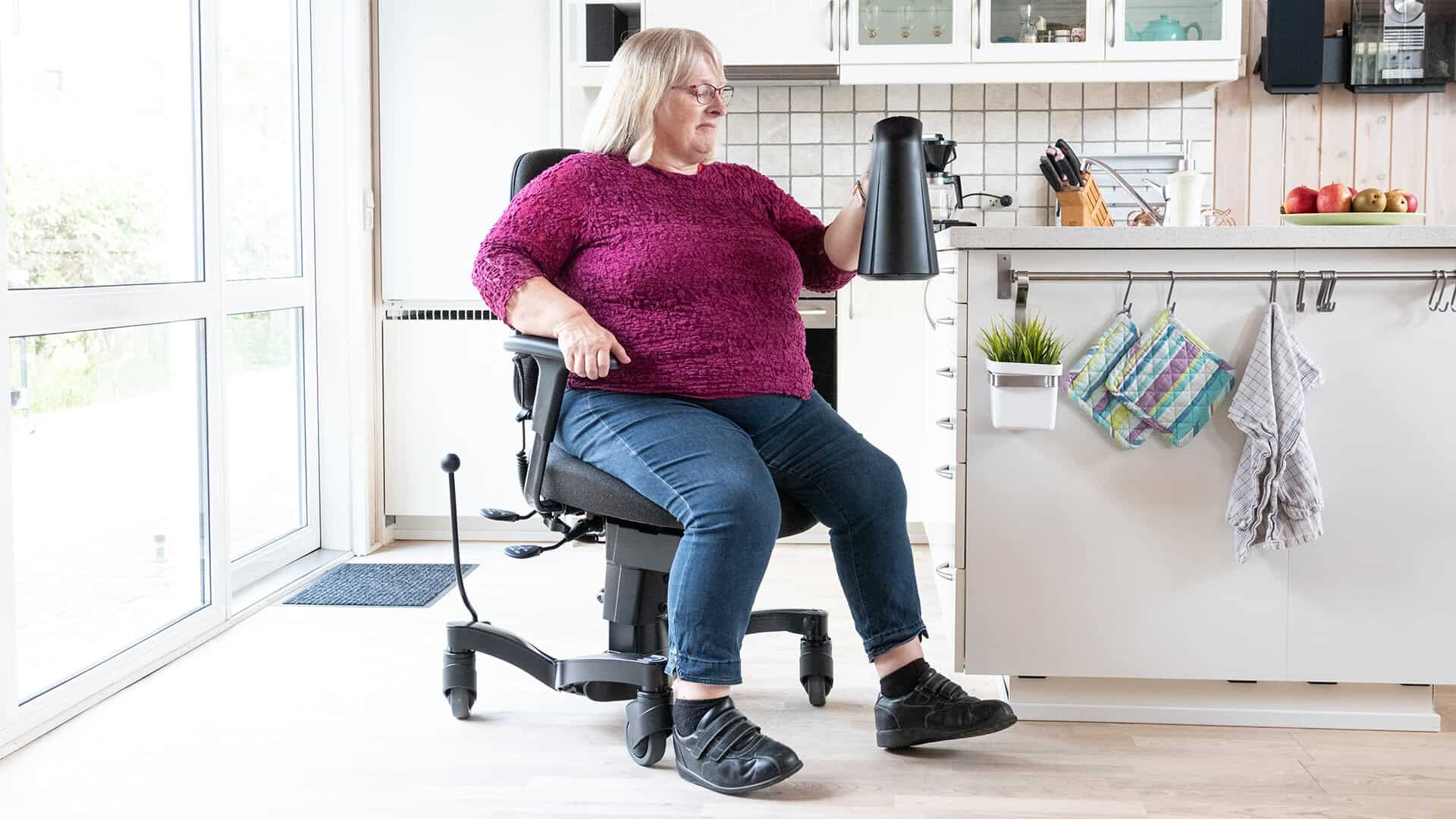
The VELA Independence Chair stands as a practical and effective option for those seeking to extend their independence at home. Key features like the central brake for safety, electric height adjustability, and ease of movement while seated cater directly to common challenges such as safety and energy conservation. This adaptable chair empowers seniors to engage in everyday activities such as cooking, cleaning, and relaxing, postponing the need for nursing home care. With supportive chairs designed for elderly home care, individuals can experience greater dignity, freedom, and safety. While VELA is not the singular solution, it offers proven benefits within a suite of mobility solutions available to enhance quality of life and sustain independent living.
Sources
- The Best Assistive Tech Gadgets in 2025 — ThinkBeyondTheChair.org
- Cowan RE. Recent trends in assistive technology for mobility
- Equal Accessibility LLC, Innovations In Assistive Technology
- Ability Montana, Exciting Assistive Technology for People with Disabilities
- PR Newswire, Assistive Technology Market to Grow by USD 6.3 Billion from 2025-2029
- Assistive Technology Outcomes and Benefits, Volume 19 Spring 2025 (ATIA)
- WHO Fact Sheet on Assistive Technology, 2022