

Updated September 2025: We have updated the article with the latest advances in assistive technology for seniors, including AI-powered smart wheelchairs, brain-computer interface prosthetics, wearable smart glasses, modular upgrades for mobility devices, and robotic exoskeletons. The update also highlights recent trends in ergonomic customization, global policy developments for equitable access, and expanded funding options for economically vulnerable seniors.
Understanding Senior Care in North Texas
Understanding the best care options for the elderly is crucial, especially for families navigating the growing need for senior care in North Texas. Acknowledging the surge in the elderly population in this region—where residents aged 65 and older are rapidly increasing—emphasizes the necessity of tailored care solutions, according to Dallas Morning News, Healthy Living. This article explores the senior care landscape in North Texas, highlighting the importance of understanding demographic trends, choosing the right care providers, and addressing financial aspects.
Senior Care Options in North Texas: A Comprehensive Overview
In North Texas, non-medical home-based care emerges as a preferred option for many seniors, providing essential services that help maintain independence and comfort at home. These services range from assistance with daily activities like grooming and bathing to more personalized care plans addressing unique health needs. Top-rated providers such as Senior Care of North Texas offer customizable solutions tailored to individual requirements, underscoring the importance of flexible, compassionate care.
Recent advancements in assistive technology now offer seniors greater autonomy within home-based settings. Smart wheelchairs integrated with artificial intelligence, autonomous navigation using LIDAR sensors, and health monitoring features such as posture and pressure point analysis support safety and independent mobility. Brain-computer interface (BCI) prosthetics enable intuitive movement control, while wearable smart glasses provide real-time navigation and text or facial recognition, especially benefiting visually impaired seniors. Modular upgrades can retrofit existing mobility devices with smart sensors and app integration, increasing accessibility without full equipment replacement.
Keyway Medical; Think Beyond the Chair; Ability Montana Blog; Equal Accessibility LLC; ATOB Journal Vol. 19
“Our caregiver was caring and professional, and the staff responded quickly to changing needs,” says Sarah, a client benefiting from customized care plans. Such experiences corroborate the CDC: National Center for Health Statistics, which highlights the necessity for complex, coordinated care for older adults.
How Demographic Changes Shape Elderly Care Demand in North Texas
The North Texas region is experiencing significant demographic shifts, driving the demand for elderly care. The U.S. Census Bureau notes that the population aged 65 and over has increased in nearly all metro areas, including Dallas-Fort Worth (U.S. Census Bureau Population Estimates). This growth correlates with an increase in socio-economic challenges—such as poverty—which impacts access to necessary care. Approximately 29,685 seniors aged 60+ in Dallas live below the poverty line, as reported by Dallas Morning News, Healthy Living.
Choosing the Right Senior Care Provider in North Texas
Selecting a reputable home care agency is crucial for ensuring quality and trustworthy care. Key criteria include evaluating the agency’s reputation, the flexibility of care plans, and the qualifications of caregivers. Providers like Senior Care of North Texas are praised for their approach, with testimonials describing their trustworthiness and reliability.
- Evaluating services against user reviews and data is essential.
- Successful outcomes often rely on careful selection and alignment of services with the individual’s needs.
- Consider providers who integrate new technologies—such as AI-powered mobility solutions, wearable devices for safety, and ergonomic customization—to meet evolving needs and reduce risks of injuries, pressure sores, and fatigue.
Equal Accessibility LLC; ATOB Journal Vol. 19
Financial Considerations for Senior Home Care in North Texas
Understanding the financial aspects of senior home care is essential for effective planning. Typical in-home care costs in North Texas range from $25 to $32 per hour, depending on the care complexity (Texas Health & Human Services). Some financial relief can come through long-term care insurance or Medicaid, with programs assisting seniors in managing costs.
New programs and funding mechanisms promoted by health systems, non-profits, and international organizations such as the World Health Organization are increasingly available to help economically vulnerable seniors access modern assistive technologies. These resources include equipment loan services, charitable grant programs, and data-driven policy initiatives aimed at improving access, workforce training, and equitable provision of assistive devices.
WHO: Assistive Technology; Ability Montana Blog
Seniors like Mr. Thompson have successfully leveraged insurance options to mitigate these expenses. For instance, some individuals have accessed programs assisting with long-term care insurance claims, reducing their financial burden and stress associated with such care.
Enhancing Senior Independence: The Role of VELA Chairs
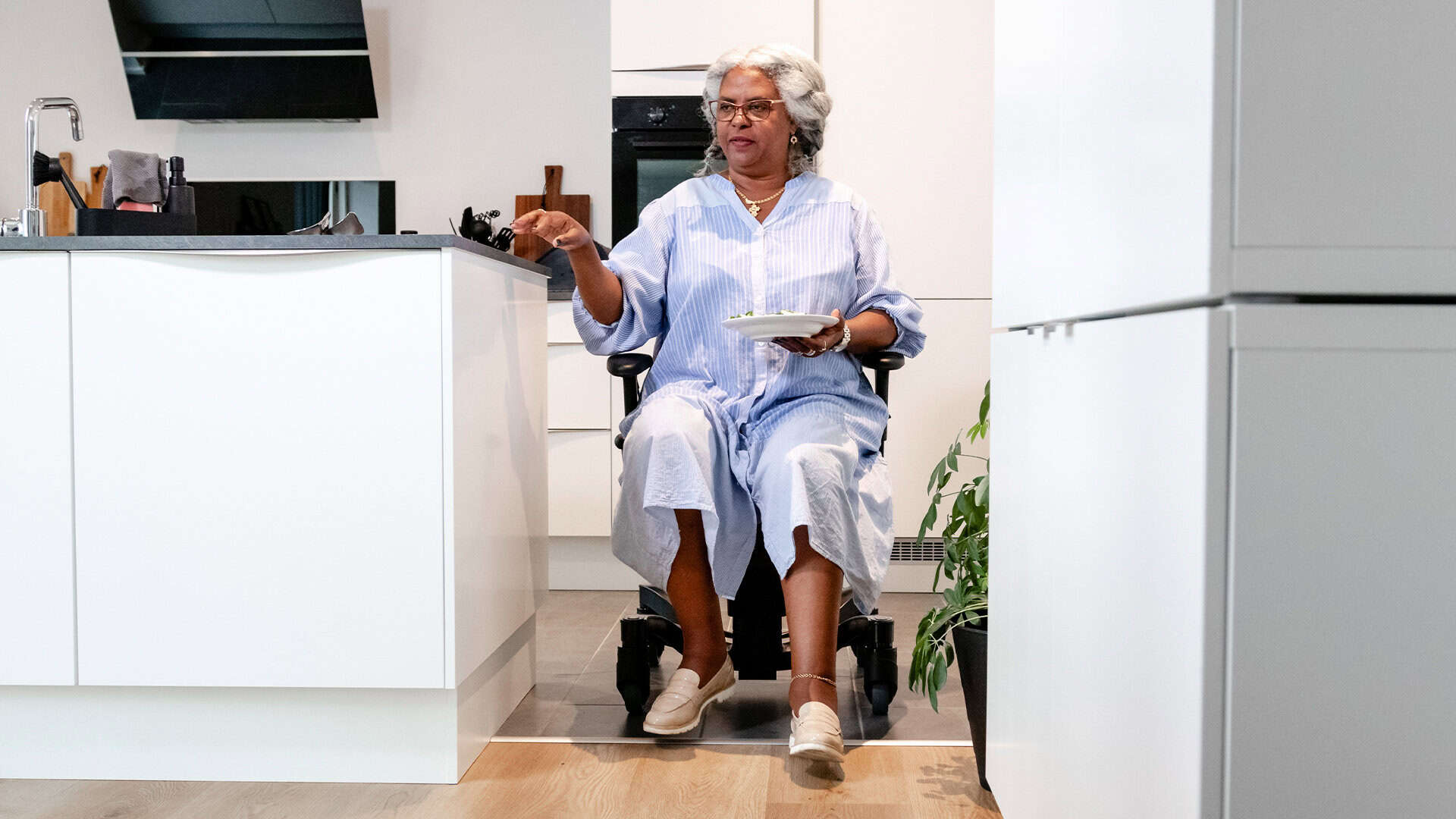
Addressing the challenges of nursing homes prompts families to consider strategies that allow older adults to maintain their independence at home. Solutions aimed at fostering autonomy and safety, such as the VELA Independence Chair, embody this approach. This medically approved mobility chair is crafted for home settings, offering increased security and freedom of movement during daily activities like cooking, dressing, or transferring. The VELA chair not only aids seniors but also alleviates the burden on informal caregivers by enhancing the participant’s ability to perform everyday tasks independently.
Current design trends in assistive seating solutions like the VELA Chair emphasize ergonomic customization and sensor-based comfort adjustments, helping prevent pressure sores and fatigue. Additionally, upgrades and integration with smart home systems further empower users and caregivers. The focus on user-centered design in contemporary chairs and mobility aids aligns with global recommendations to reduce secondary complications and enhance quality of life.
Keyway Medical; ATOB Journal Vol. 19
Exploring Alternatives to Nursing Homes
For seniors aiming to remain independent at home, mobility solutions like the VELA Chair offer a practical means to do so. These chairs support seniors in maintaining daily routines safely and efficiently, delaying the need for more intensive care environments like nursing homes. With features such as a central brake for stability, electric height adjustability, and the ability to maneuver easily while seated, VELA Chairs provide safety and freedom. They seamlessly integrate support into daily life activities such as cooking, cleaning, or relaxing, helping conserve energy and preserving dignity. Solutions like VELA exemplify approaches that prioritize aging in place, promoting dignity and autonomy while reducing the caregiver’s load. While they may not be the sole solution, VELA Chairs have proven to be a practical, beneficial option for enhancing quality of life and independence.
The broader market for assistive technology is growing rapidly, driven by the adoption of AI-enhanced and sensor-equipped mobility aids, as well as rehabilitation solutions like robotic exoskeletons and brain-computer interface prosthetics. Policy initiatives from organizations such as the WHO are helping to ensure equitable access and smooth integration of these technologies into routine care, reflecting a future-oriented approach to senior mobility in North Texas and beyond.
PR Newswire / Technavio Market Report; WHO: Assistive Technology