

Updated September 2025: We have updated the article to reflect new trends in senior care, including the integration of advanced assistive technologies, a greater focus on ergonomic and wellness-centric product design, shifts toward home-based and telehealth-supported rehabilitation, recent regulatory and workforce developments, and updated best practices in senior care referrals and support.
Understanding Senior Care Referral Specialists: Expert Guidance for Families
Navigating the landscape of elder care can often feel like an overwhelming journey for families trying to ensure the best for their elderly loved ones. With a complexity of options to consider, this task can be daunting. Fortunately, senior care referral specialists play a pivotal role in providing expert guidance, narrowing down the choices based on individual needs and preferences. According to Senior Care Information, as our senior population increases, so does the need for specialized care, making the expertise of senior care referral specialists indispensable.
How Senior Care Referral Specialists Simplify the Complexities of Elder Care
Senior care referral specialists act as personal navigators in the intricate world of elder care. They begin their process with a comprehensive assessment of the senior’s needs, evaluating health conditions, mobility, cognitive abilities, and personal preferences. Take the case of the Smith family, who needed to find the right memory care facility for their father diagnosed with Alzheimer’s. A referral specialist would start by understanding their father’s specific challenges and needs, providing a curated list of facilities specializing in memory care tailored to those requirements.
Utilizing resources such as Paying for Senior Care, these specialists ensure families make informed decisions, easing transitions to assisted living and reducing stress and the possibility of service discontinuity. In recent years, the referral process increasingly integrates digital tools such as telehealth consultations, remote health monitoring, and smart home technology assessments to match seniors with facilities or in-home care solutions that prioritize independence, safety, and daily quality of life.[4]
Beyond Placement: Comprehensive Support from Senior Care Referral Specialists
Senior care referral specialists offer far more than just placement services. Their support includes accompanying families on facility tours, guiding them in what questions to ask, and helping compare options. Imagine a family needing to navigate the complexities of insurance and Medicaid benefits; specialists can provide critical insights into financial strategies, helping alleviate potential financial burdens. For instance, SeniorCare Inc. outlines their full-spectrum support in understanding cost structures and facilitating seamless transitions, illustrating the real impact on families who might otherwise encounter unexpected expenses.
Current trends in senior care emphasize wellness-focused and personalized support, with referral specialists assisting families in exploring the latest in ergonomic products and adaptive devices designed to increase comfort and accommodate a range of mobility needs. Additionally, with advancements in teletherapy and community-based rehabilitation, specialists can connect families with programs enabling seniors to participate in preventative care and at-home rehabilitation, reducing the rate of hospitalizations and maintaining higher levels of independence.[3][4]
Understanding the Business Model and Regional Expertise of Referral Specialists
Most senior care referral services operate on a commission-based model, receiving compensation from facilities where clients are placed — allowing families to access these services free of charge. However, some specialists, like those mentioned by Senior Care Plus, take a fee-based approach, providing a more impartial perspective unencumbered by partner facilities’ affiliations.
Regional expertise also plays a crucial role. Specialists with in-depth knowledge of specific areas, like Southern California, offer a more precise match by understanding both the geographical offerings and the family’s cultural preferences, often resulting in successful and satisfying placements. Industry shifts show that more specialists are focusing on building local partnerships and individualized referral networks, moving away from anonymous national aggregators to ensure a personal, prospect-centered approach. Many also employ advanced tools such as customer relationship management (CRM) platforms and predictive analytics to improve the accuracy and personalization of care recommendations.[5]
Exploring Solutions for Independence at Home
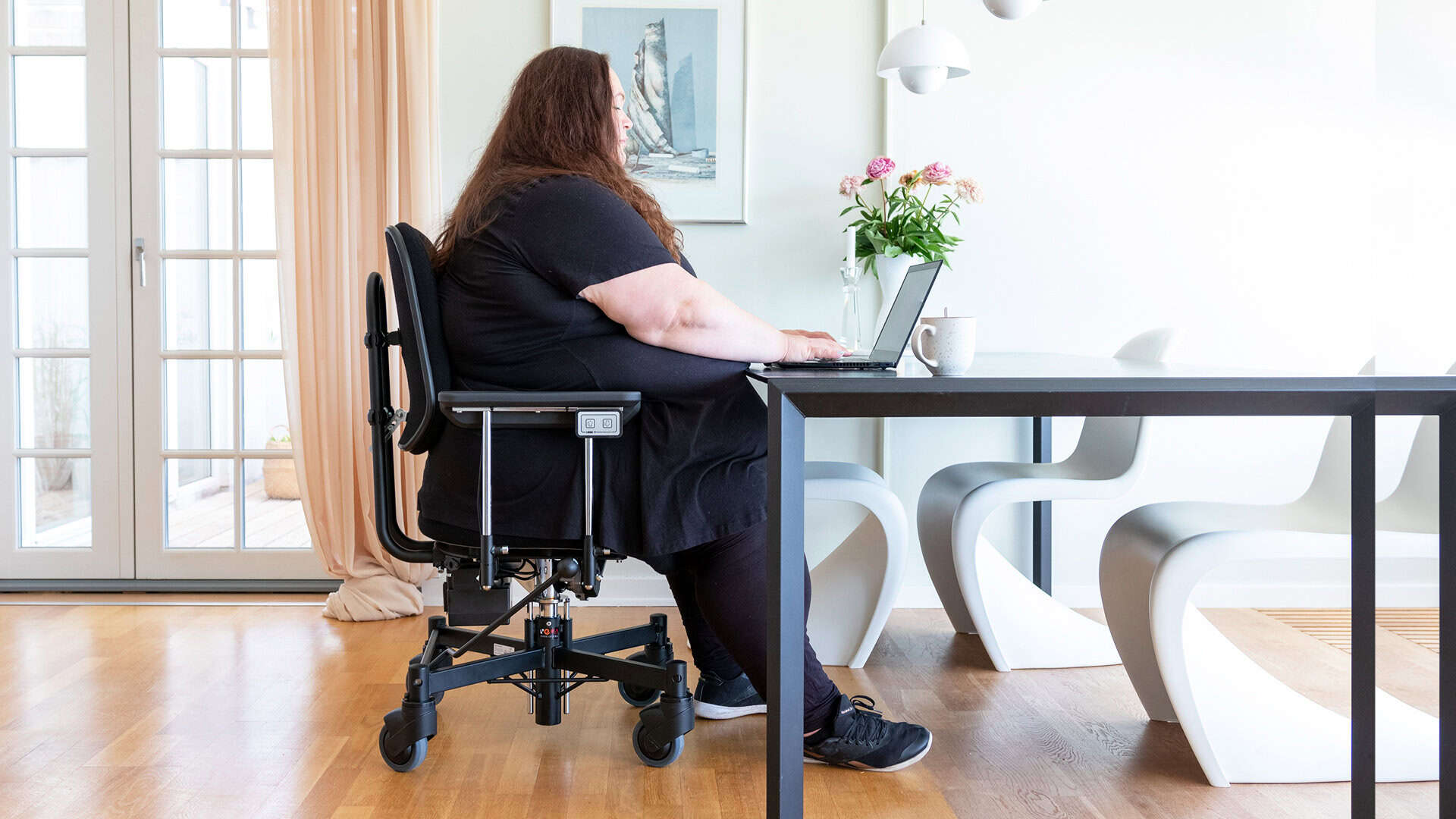
With the challenges associated with moving seniors to nursing homes, families are increasingly exploring solutions that allow older adults to remain independent at home. Products like the VELA Independence Chair offer practical support, enabling seniors to safely and comfortably manage daily activities in their own environments. The VELA chair is a medically approved mobility solution designed for home use, providing enhanced safety, freedom of movement while seated, and support for tasks like cooking and dressing — all while reducing the physical and emotional load on informal caregivers.
The invaluable role senior care referral specialists play in reducing stress and aiding effective decision-making in elder care is profound. These professionals transform from service providers into trusted advisors, guiding families through the emotional journey of securing the best possible care for their loved ones. Emphasizing professionalism and empathy, as outlined by Family Eldercare, their approach ensures families are well-supported through every challenging phase. Specialists are also increasingly attuned to regulatory updates that impact care options, offering guidance around evolving Medicaid rules, value-based care policies, and industry standards to ensure compliant and cost-effective care recommendations.[2]
Ultimately, engaging a senior care referral specialist equips families with the necessary tools to make informed decisions that safeguard their seniors’ welfare and peace of mind. In an expanding and rapidly changing senior care market — marked by growing demand for home care, shifting reimbursement models, and acute workforce shortages — referral specialists’ guidance remains vital for achieving the best possible outcomes.[7][8]
- Home Care Industry Trends to Watch in 2025
- Big Trends in Home-Based Care: Insights for 2025
- Senior Living Market Trends in 2025
- Serving the Booming Market for Elderly Care Services
- What 10 Senior Living Sales and Marketing Leaders See Ahead in 2025
- Senior Living Executive Forecast 2025: ‘Talent War’ Shifts Into New Phase
- How Big Is The Senior Care Industry In 2025?
- 9 Workforce Trends 2025