

Updated September 2025: We have updated the article with new findings on AI-enhanced assistive devices, advanced mobility aids, and smart home technologies that improve senior safety and independence. Expanded guidance is included on telemedicine, updated California senior care regulations effective in 2025 (including person-centered dementia care and Medi-Cal protections), and innovations in health monitoring wearables and rehabilitative robotics.
Senior Care in Riverside, CA: Tailored Solutions for a Growing Population
In Riverside County, California, the senior population is rapidly increasing. According to the U.S. Census Bureau, the county has approximately 371,046 residents aged 65 and older, representing 15.15% of its total population. This demographic shift underscores the urgent demand for diverse senior care options in Riverside, CA, as families seek suitable solutions for their aging loved ones.
Riverside County’s Growing Senior Population: Demographics and Needs
Current demographic trends suggest continued growth in Riverside’s elderly population. Insights from the Riverside University Health System and the California Department of Aging highlight projections indicating Riverside County’s population will reach 2.7 million by 2030. Economic factors, such as income disparities, add a layer of complexity in the search for affordable care services. The Justice in Aging report emphasizes significant financial challenges faced by seniors, precipitating the demand for cost-effective care solutions.
The personal account of the Thompson family, who struggled to secure adequate resources for their aging mother requiring specialized care, exemplifies the pressures faced by families across the county. Their journey illustrates the crucial need for robust senior care options throughout Riverside.
In-Home Care Services for Riverside Seniors: Options and Providers
For many seniors, in-home care remains a preferred choice, enabling them to age in the comfort of their own homes while receiving the necessary support. Providers like Right at Home Riverside offer personalized care plans that cater to individual requirements. These services include assistance with daily living activities and specialized medical care, ensuring comprehensive support.
Recent advancements have made it possible to further personalize and enhance in-home care services. AI-powered health monitoring wearables now allow for continuous tracking of vital signs and cognitive status, enabling earlier intervention and helping to reduce emergency hospitalizations. In addition, smart home systems use AI to automate medication reminders, environmental controls, and emergency alerts, supporting seniors’ desire to age in place safely and independently. The integration of telemedicine into senior care has become routine, making it easier for older adults to consult healthcare professionals without the need to travel, and expanding access to medical support for those with limited mobility.[1][2][3]
Cost is a pivotal consideration for in-home care. In Riverside County, the hourly rates for these services range from $25 to $35, contingent on the care level. Riverside resident Norma shares her testimony of receiving in-home care, expressing satisfaction with the personalized attention and the independence maintained, illustrating the human impact behind these services.
Residential Care Facilities in Riverside County: Comparing Costs and Services
For seniors who need more extensive assistance, residential care facilities offer an appropriate solution. Options in Riverside County include assisted living, skilled nursing, and adult day services. According to the Riverside County Office on Aging, these facilities’ costs vary: assisted living ranges from $3,500 to $6,000 monthly, while skilled nursing facilities cost between $8,000 and $12,000 monthly.
Regulatory updates in California, effective January 1, 2025, have strengthened person-centered care standards, especially for residents with dementia, in Residential Care Facilities for the Elderly (RCFE). New state laws, such as SB433, also now regulate fees for residents receiving Medi-Cal–reimbursed services, improving affordability and protections for seniors. These regulatory changes promote high-quality, safe, and transparent care environments across all facility types.[4][5][6]
Real-life transitions are replete with emotional aspects, as demonstrated by Paul, a local senior who moved from independent living to an assisted living facility. He recounts the experience as both challenging and ultimately beneficial, as newfound companionship and support notably improve his quality of life.
Government Resources and Support Programs for Riverside Seniors
A plethora of government programs and resources, including Medicaid and Medicare, are available for seniors in Riverside. The Riverside County Office on Aging plays a pivotal role in coordinating these services, ensuring that seniors have access to vital support. The California Department of Aging offers detailed information on available programs, empowering seniors and families to make informed care decisions. Updated state guidelines also ensure that RCFEs comply with person-centered dementia care protocols and Medi-Cal fee regulations, reinforcing support and protections for older adults in 2025.[7]
Enhancing Senior Independence: VELA Mobility Solutions
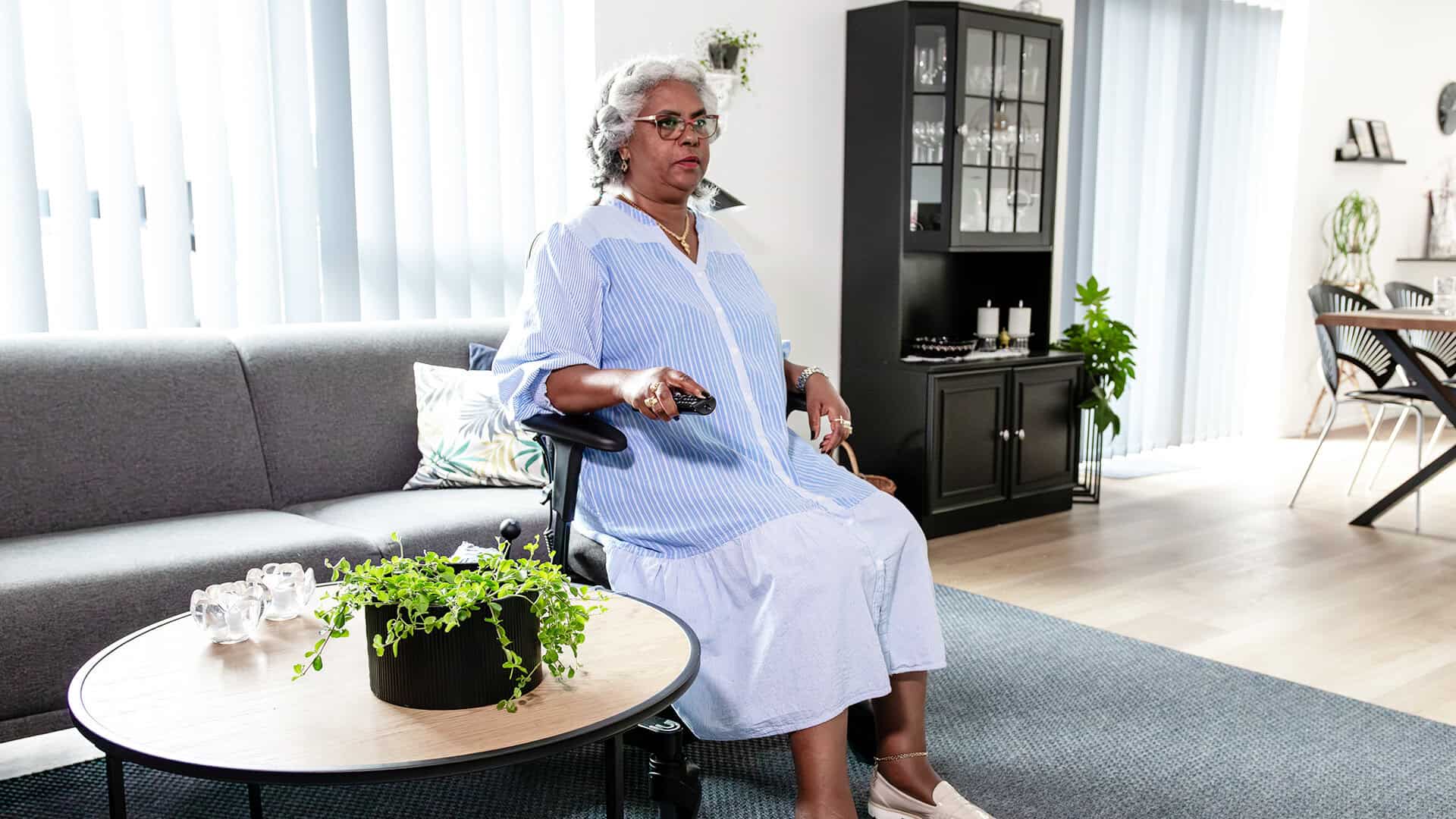
While nursing homes provide essential care, many seniors wish to remain at home, leading to the exploration of innovative solutions to support this desire. For those seeking alternatives that maintain independence, the VELA Independence Chair presents a practical option. This medically approved mobility chair is designed for home use, offering enhanced safety features, freedom of movement while seated, and support for daily activities such as cooking, dressing, or transferring. By reducing the physical burden on informal caregivers, VELA chairs are instrumental in allowing seniors to perform daily tasks with greater ease and dignity.
Recent technological advancements now complement mobility solutions like the VELA Independence Chair. AI-driven exoskeletons and lightweight robotic mobility aids have demonstrated notable improvements in walking stability and fall prevention for those with complex mobility needs. Wearable devices equipped with early cognitive decline detection and real-time vital sign monitoring further enhance safety. These assistive devices leverage artificial intelligence not only for physical support, but also for personalized rehabilitation tracking and active health monitoring—empowering seniors with higher independence while supporting caregivers.[8][1][2]
Exploring Alternatives to Nursing Homes
Innovations like VELA Independence Chairs are pivotal for seniors striving to stay independent longer in their homes. These chairs that enhance independence in elderly care offer essential features, including a central brake system for safety, electric height adjustability for optimal comfort, and smooth mobility while seated. Expanding upon these established ergonomic solutions, smart home adaptations and telemedicine platforms now work in concert to automate routine tasks, manage medication adherence, and provide immediate emergency assistance. Integrating these options allows seniors to maintain autonomy, address emotional and psychological readiness for new technology, and minimize transitions to higher care settings.[9]
Such features directly address common concerns like decreased energy and safety, which often precipitate transitions to nursing facilities. With a VELA Chair, seniors experience increased autonomy and have the means to efficiently engage in daily activities such as cooking, cleaning, and relaxing. While these chairs are not the only option, they stand as a proven and practical solution for supporting aging in place. The reduction of caregiver strain and maintenance of dignity, freedom, and safety are integral benefits that make technology like VELA’s an attractive consideration for those navigating senior care choices in Riverside, CA.
[1] Cyces: 2025 AgeTech Trends
[2] RBJ.net: Senior Living AI Technology Innovations
[3] CaringData.com: Technology in Senior Care
[4] California RCFE Regulations Update 2025
[5] LegiScan: SB433 2025 Regulations
[6] YouTube: Assisted Living Laws 2025 Overview
[7] CA Department of Social Services: Senior Care Licensing
[8] INTCO Medical: Cutting-edge Equipment for Seniors 2025
[9] Heisinger Bluffs: Future of Senior Living Trends 2025