

Updated September 2025: We have updated the article with the latest advances in AI-powered monitoring, smart home integration, telemedicine, and inclusive ergonomic design for seniors. These updates reflect new research on technologies enhancing independence, safety, and emotional well-being for older adults aging at home in the San Fernando Valley.
Senior Care San Fernando Valley: Embracing Independence
The San Fernando Valley, as defined by the Census County Division (CCD), has a total population of approximately 1,815,801 people across 438.1 square miles. This expansive area encompasses multiple cities and neighborhoods within Los Angeles County.
Aging in place: a dignified alternative to nursing homes
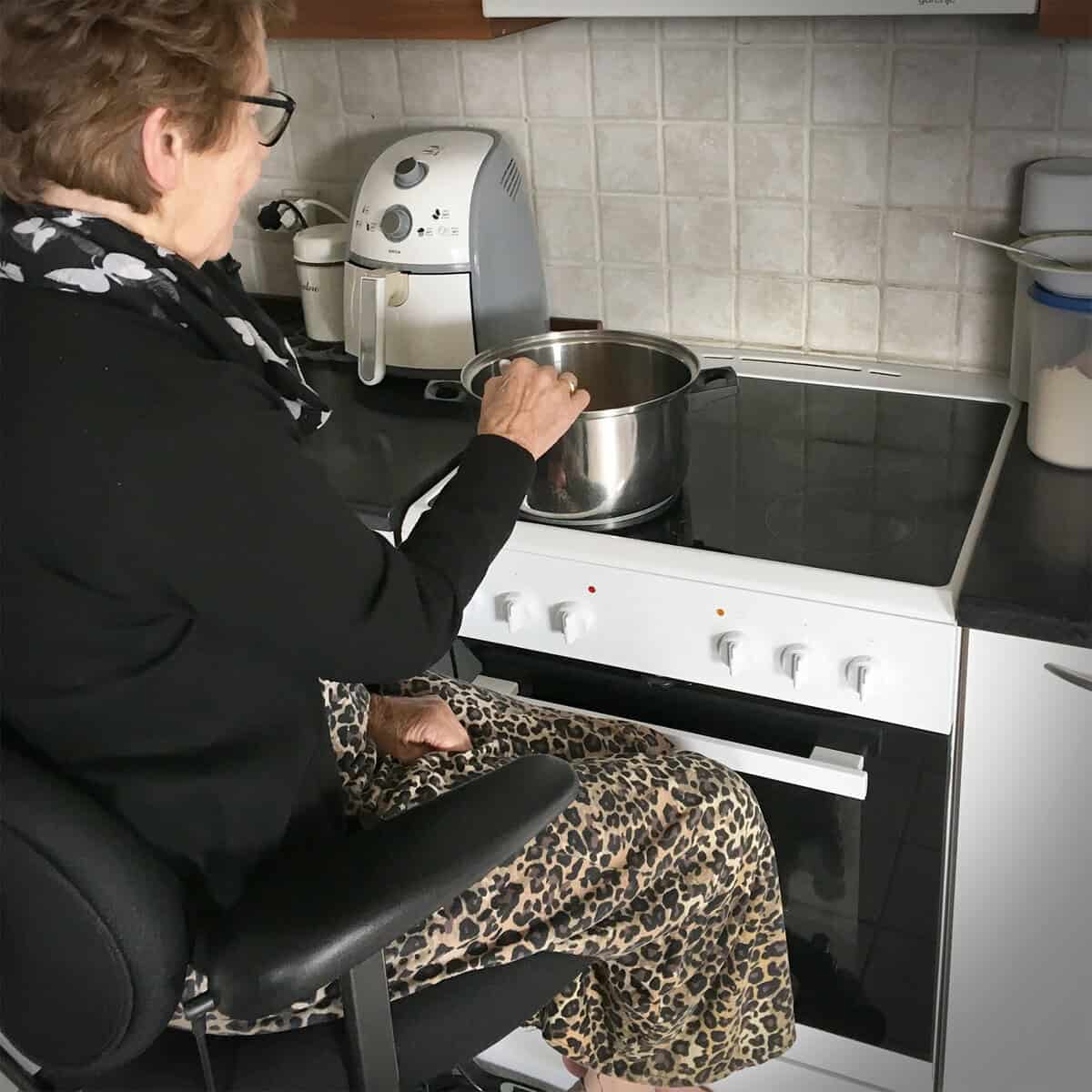
For many older adults and their families in the San Fernando Valley, the challenges posed by nursing homes have sparked an interest in maintaining independence and quality of life at home. Aging in place offers a dignified alternative, allowing seniors to stay in familiar environments. Solutions like VELA fulfill this need. VELA is a medically approved mobility chair designed for home use, offering enhanced safety and freedom of movement. This chair supports daily activities such as cooking, dressing, or transferring, while significantly reducing the physical and emotional load on informal caregivers.
Recent developments have expanded options for maintaining independence at home, moving beyond traditional mobility aids. New AI-powered monitoring and smart home technologies can proactively detect falls, monitor vital signs, and predict health concerns, allowing for earlier intervention and greater peace of mind for both seniors and their caregivers.[1] Integrated smart home ecosystems now offer voice-assisted controls, automated lighting, temperature management, and motion sensors tailored specifically for older adults. These solutions collectively help maximize independence, safety, and daily comfort at home.[2]
Staying independent at home with support
VELA Chairs provide a practical solution for aging individuals who wish to remain in their homes longer by promoting independence and enhancing daily life activities. Features like a central brake ensure stability and reduce fall risks. The electric height adjustability aids in seamless transitioning from sitting to standing or vice versa, which can be particularly challenging for those with limited mobility or energy. Additionally, the chair allows effortless movement while seated, providing support for cooking, cleaning, or simply relaxing in comfort.
AI-powered wearable devices and rehabilitation technologies are also transforming in-home support. These tools track changes in mobility, offer precise fall detection, and analyze gait or daily activity, enabling more tailored interventions and better tracking of physical therapy progress over time.[4] Ergonomically designed products now focus on user comfort, emotional well-being, and familiar aesthetics instead of an institutional look, promoting a more personalized and supportive living environment.[3]
Life with a VELA Chair paints a vivid picture of dignity and freedom, contrasting starkly with the dependency often associated with the need for assisted living facilities. It empowers users to perform daily tasks confidently, thus potentially delaying the necessity of moving into a nursing home. While the VELA Chair isn’t the sole option for senior mobility solutions, its proven practicality significantly contributes to sustaining an independent lifestyle at home.
Telemedicine and remote health monitoring are now mainstream in senior care, enabling virtual doctor visits and seamless health data sharing with caregivers. These solutions reduce the need for travel and improve access to specialized care in the comfort of home.[5] Regulatory updates support personalized integration of these digital technologies, while new training resources address privacy and help both seniors and caregivers adopt them with confidence.[4]
Feedback from users and caregivers in the San Fernando Valley reflects a growing acceptance of these technological advances, especially as they support safety, emotional comfort, and social connectedness. However, challenges remain, including adapting to new digital tools and the emotional readiness for increased AI in daily life. Ongoing education and user-friendly design continue to encourage adoption as demand for innovative aging-in-place solutions grows.[6][7]
For more insights on how mobility solutions can enhance independence and safety for seniors, explore resources like Mobility Chairs for Seniors.
Sources:
- Cyces.co — AgeTech Trends 2025: AI, Robotics & the Future of Aging
- Heisinger Bluffs Blog — The Future of Senior Living: Trends to Watch in 2025
- Juniper Communities — Senior Living Trends in 2025
- Rochester Business Journal — Advancing Senior Living: A Thoughtful Approach to Tech, Research
- CaringData.com — Technology in Senior Care: How Innovation Is Transforming Care
- GlobeNewswire (ResearchAndMarkets.com) — U.S. Assistive Technologies for Older Adults Market Analysis Report 2025
- AgeInPlaceTech.com — Caregiving in the US 2025 – More tech, but not as much as caregivers could use