

Updated September 2025: We have updated the article with the latest advancements in assistive technology for seniors, including AI-powered assistants, smart wearable health monitors, non-intrusive safety alert systems, mixed-reality tools for rehabilitation, and the importance of user-centered design in mobility and care equipment.
Angelic Senior Care: A Comprehensive Guide to Senior Independence and Dignity
The concept of “angelic senior care” embodies a vision of elderly care that combines compassion, dignity, and independence. At its core, this approach prioritizes personalized care that allows seniors to live gracefully and with dignity. According to the National Center for Assisted Living, approximately 70% of assisted living residents are women, with over half being age 85 and older. This statistic underscores the growing need for considerate and empathetic care solutions tailored to the demographic needs of seniors.
Exploring In-Home Care Services for Seniors
In-home care services offer a compelling alternative to traditional assisted living, allowing seniors to remain in familiar surroundings while receiving necessary support. These services typically include assistance with daily activities, personal care, and companionship, provided by professional caregivers who tailor their services to individual needs. Visiting Angels, a national organization renowned for its personalized approach, exemplifies this model by crafting care plans that help seniors maintain their independence.
Benefits of in-home care extend beyond mere convenience. They foster an environment where seniors feel in control, reducing stress and improving life quality. Caregivers from agencies like Visiting Angels work closely with families to ensure the care provided aligns with the specific needs and preferences of their loved ones. According to their article, “Understanding the Different Kinds of Senior Care Available,” personalized home care can be designed to enhance seniors’ confidence and autonomy, ensuring they can participate actively in their daily routines.
Choosing the Right Assisted Living Facilities
When in-home care isn’t enough, assisted living facilities become an essential option. These communities offer a blend of independence with access to medical and personal support, a crucial balance for many seniors. As illustrated by a client’s testimonial from Angels Senior Care, LLC, rated 8.5/10 by A Place for Mom, families often express satisfaction with the care provided, noting: “We are very well pleased with the EXCELLENT care she receives.”
Selecting the right facility involves evaluating various factors, such as the range of services offered, staffing quality, and resident feedback. As emphasized by caregiving insights from the National Alliance for Caregiving and AARP, reading reviews and testimonials can be invaluable; families should prioritize facilities that have robust support networks and personalized care strategies tailored to individual needs and cultural expectations.
Specialized Care Programs Tailored for Unique Needs
Senior care needs are as diverse as the individuals themselves. Specialized care programs such as companion care, personal care, and respite care cater to these unique needs. For example, companion care focuses on social engagement, while personal care addresses more intensive physical support requirements. According to the National Alliance for Caregiving and AARP, culturally sensitive caregiving is crucial as African-American caregivers are more likely to provide assistance with multiple ADLs, highlighting a commitment to comprehensive support. Recognizing these diverse challenges ensures that care remains inclusive and effective for all seniors.
Enhancing Independence with VELA Mobility Chairs
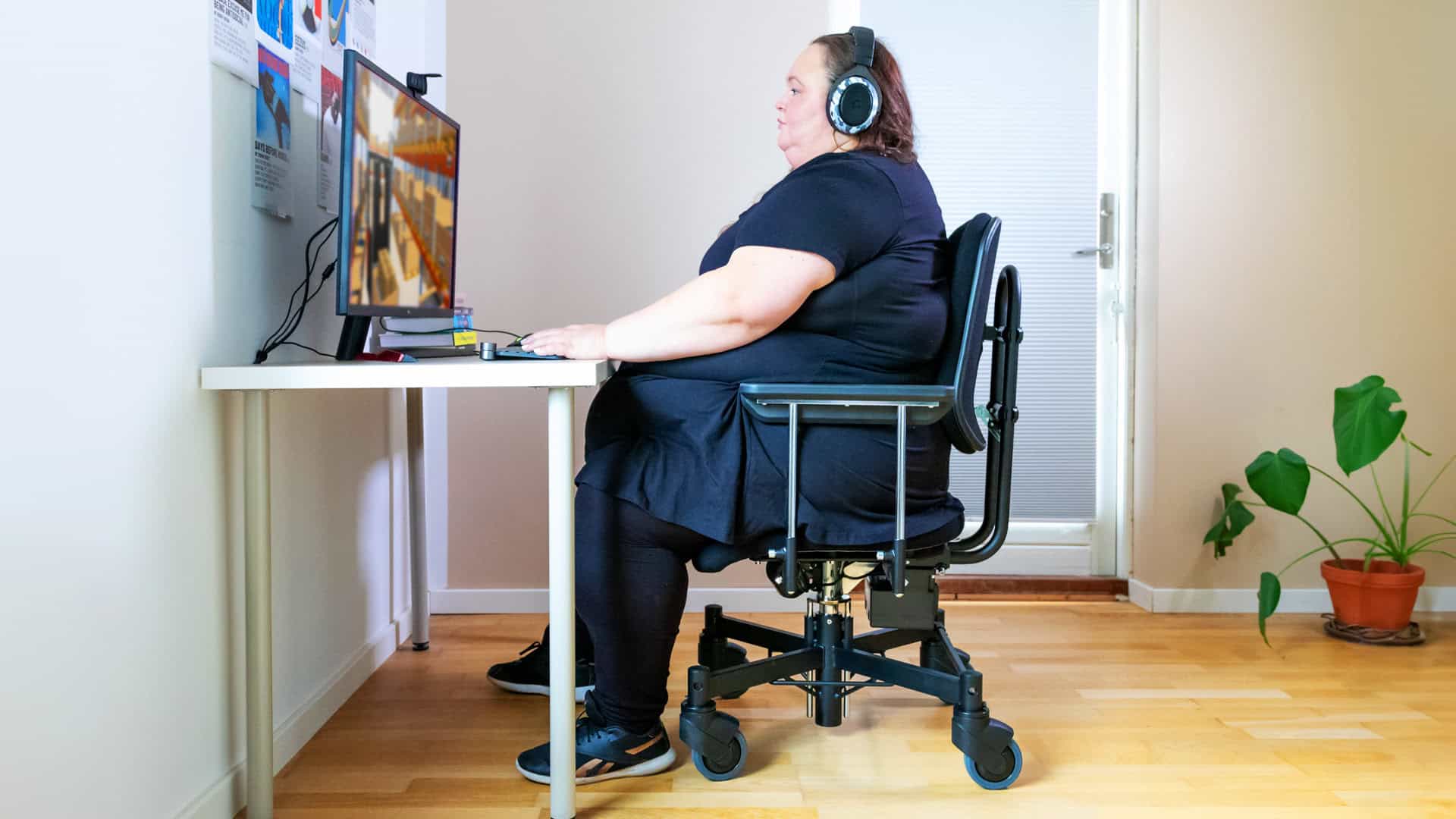
In the transition from traditional senior living facilities to solutions that encourage autonomy, maintaining mobility at home can be pivotal for older adults striving for independence. Mobility challenges often seen in nursing homes can act as critical barriers for seniors wishing to remain independent. Enter the VELA Independence Chair—a medically approved mobility chair designed specifically for home use. It enhances safety and offers the freedom of movement while seated, providing essential support for daily activities such as cooking, dressing, or transferring between locations in the home. This capability significantly reduces the load on informal caregivers and allows seniors to continue enjoying life with a greater sense of control and security.
Staying independent at home presents numerous benefits for seniors, and options like VELA Chairs play an instrumental role in this journey. These chairs are designed to facilitate independence by incorporating features like a central brake for improved safety and electric height adjustability to ease movement while seated. Such characteristics are crucial for reducing fall risks and conserving energy, allowing seniors to perform everyday tasks like cooking, cleaning, and relaxing with minimal assistance. With the support of VELA Chairs, many seniors can delay the transition to a nursing home, thereby preserving their autonomy and dignity. While VELA is a proven and practical solution, it exemplifies how thoughtful design can significantly impact aging in place, highlighting the importance of exploring a range of mobility solutions tailored to individual needs.
Recent advancements in assistive technology have introduced AI-powered assistants and wearable health monitors designed for senior living. AI-driven assistants now support both mobility and communication needs, offering intuitive vocal and visual prompts that help ease information access and daily communication. These systems have become especially valuable for seniors with sensory or cognitive challenges, supporting independence by enabling easy navigation of both physical and digital environments Channel Point Village, 2025. Non-intrusive smart monitoring solutions—such as wearable or environmental sensors with predictive analytics—have improved early detection of falls and support medication adherence, all while prioritizing the privacy and dignity of seniors by operating without cameras Asksamie.com. Mixed-reality tools and digital resources are increasingly used in rehabilitation to create personalized and engaging experiences that aid skill development and promote social inclusion, especially important for seniors with complex health profiles ATIA, 2025.
Contemporary ergonomic mobility aids—including walkers and scooters—now emphasize lightweight materials, anti-tipping features, and customizability, increasing safety and ease of use for seniors Seniorsite.org, 2025. The design and adoption of these technologies increasingly involve co-creation with end users—a practice shown to improve effectiveness and satisfaction Sweeting A., 2024. Health policies and clinical guidelines now support early introduction of holistic and user-centered assistive solutions, ensuring that devices and services meet the needs of older adults living with combinations of mobility limitations and health conditions, including cognitive and psychiatric comorbidities World Health Organization.
For more insights on how mobility aids like VELA can be integrated into senior care plans, visit Improving Mobility in Seniors.