

Updated September 2025: We have updated the article with new findings on the integration of smart technologies, digital health monitoring, ergonomic and inclusive design improvements, holistic wellness programs, and recent regulatory trends in senior living communities. The latest research emphasizes personalized, tech-enabled care, accessible environments for mobility, and innovative living models supporting independence and quality of life.
Tailoring Senior Care for Evolving Needs: Understanding Senior Living Levels of Care
As our loved ones age, their needs change, demanding attentive and tailored care solutions. Understanding the “senior living levels of care” is critical for making informed choices about elderly care. With the senior population booming and projected to require more care services—particularly among those aged 65 and older—the need to grasp different care levels is becoming ever more pressing. According to the National Institute on Aging, a detailed comprehension of available care solutions is integral to ensuring the well-being of our seniors.
Understanding the Spectrum of Senior Living Care
Senior living communities offer a continuum of care that progressively adapts to the varying needs of residents—from independent living settings to comprehensive care arrangements. According to A Place for Mom and Village Walk Senior Living, these care levels ensure that seniors can transition smoothly as their needs evolve. For instance, as noted by professionals at Culpepper Place Assisted Living, a resident might start by needing light housekeeping assistance and later require help with medication management due to health changes.
Determining the Appropriate Level of Care
Identifying the right level of care involves evaluating multiple factors, such as:
- Mobility: Can the senior walk independently or use mobility aids?
- Continence: Is assistance needed for bathroom use?
- Eating Abilities: Does the individual require help with feeding?
- Medication Management: Are there complex medication regimens involved?
- Cognitive Function: Are there signs of memory impairments or cognitive decline?
The necessity for an adjusted care level can often arise from changes in any of these areas. For example, Peristyle Beau West discusses a scenario where a senior’s cognitive decline necessitates a higher care level due to increased need for supervision and assistance.
Types of Senior Living Communities and Their Offerings
Senior living communities cater to diverse needs through various specialized settings:
- Assisted Living Facilities (ALFs): Provide personal care services, meals, and housing for those needing some assistance but not intensive care. Recent trends show that these facilities increasingly integrate smart technologies and digital health monitoring, helping to tailor care programs to individual needs and promote resident independence. Juniper Communities
- Board and Care Homes: Smaller setups offering personal care and around-the-clock staff for more intimate environments.
- Continuing Care Retirement Communities (CCRCs): Offer the full spectrum of care from independent to skilled nursing care on one campus. These are ideal for “aging in place.” Facilities are increasingly renovating for accessibility and mobility, investing in ergonomic furniture and adaptive equipment. Morningside House
- Memory Care Facilities: Specialized in caring for individuals with Alzheimer’s or dementia, employing unique approaches and environments to support cognitive challenges. AI-enabled wellness tracking and remote monitoring technologies are now frequently part of their environments, supporting safety and engagement.Juniper Communities
For instance, according to The Arbor Company, seniors with Alzheimer’s benefit significantly from programs specifically designed to engage their cognitive skills within Memory Care Facilities.
Cost Considerations
Care level significantly impacts the cost of senior living:
- Higher levels of care require more staff time and resources.
- Costs increase proportionally with the level of assistance needed.
- Each community structures their care levels and pricing differently.
- Some communities include basic care in their base rate, while others charge separately for each service offered.
- Emerging middle-market housing and flexible service models are offering more affordable options for seniors, driven by demographic and economic changes. Align Senior Care, McKnight’s Senior Living
According to PMC, understanding the financial implications is crucial when planning for long-term care.
Practical Experience in Care Management
In my experience as a caregiver, I’ve often observed the profound impact that tailored care has on seniors’ quality of life. For example, during one instance where I cared for a senior with moderate Alzheimer’s, integrating structured routines and personalized memory-enhancing activities significantly improved her engagement and mood. Conversely, failure to adapt care levels appropriately can exacerbate cognitive decline and decrease quality of life, underscoring the importance of frequent assessments and adjustments to care plans. Modern senior care environments now place an even greater emphasis on holistic wellness, including targeted fitness, cognitive stimulation, nutritional guidance, and mental health services, aligning rehabilitation and everyday support with current best practices. Heisinger Bluffs, Morningside House
Expertise in Elderly Care Administration
Accurate terminology and concepts are essential for properly understanding the levels of care. Terms such as Activities of Daily Living (ADLs) denote core self-care tasks such as dressing, bathing, and feeding which are crucial in assessing care needs. Care providers should also be familiar with managing chronic conditions like diabetes or hypertension, which are common in elderly populations. Updated regulatory guidelines increasingly emphasize individualized care plans and technology-enabled tracking to promote autonomy and quality outcomes in both assisted living and memory care environments.CLA Connect, Standards Sunrise Foundation
Trust and Ethical Considerations
Balancing potential benefits with limitations ensures trustworthiness. For instance, while assisted living provides significant support, it may not offer the 24-hour skilled nursing care needed by the most frail residents. Families should consider both current and potential future care needs when choosing a living arrangement.
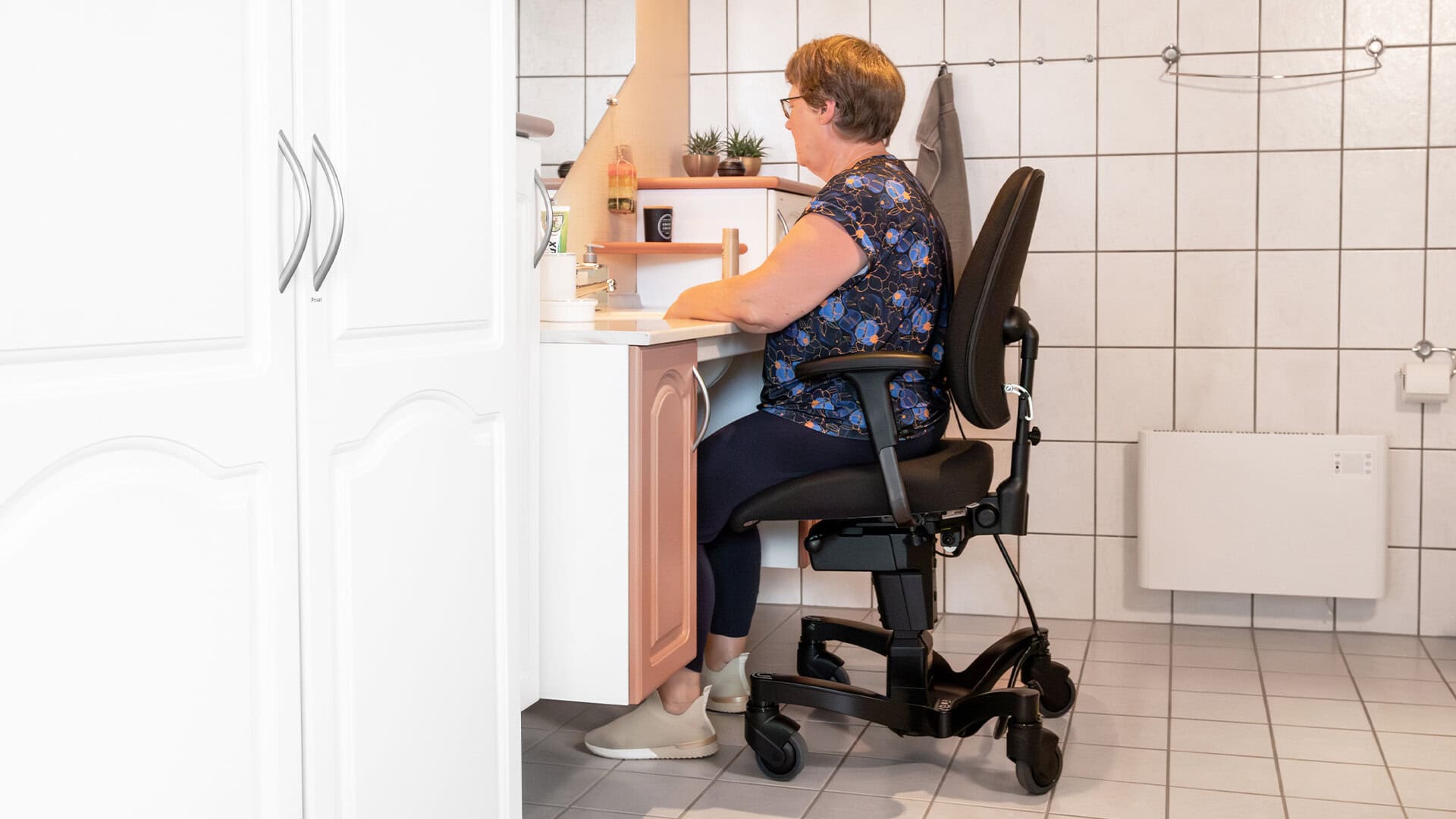
As nursing homes may only address the needs of some seniors and residence in such facilities can be daunting, solutions like the VELA Independence Chair can help older adults remain independent within their homes. This medically approved mobility chair is tailored for home use, promoting safety, facilitating movement during seated activities such as cooking or dressing, and easing caregiver burdens. VELA supports continued freedom in aging adults by reducing the load typically handled by informal caregivers. Modern assistive devices are now often designed with ergonomics and inclusive design in mind, enhancing comfort and reducing the risk of falls or injury.Morningside House
Supporting Aging in Place: A Practical Option
For many seniors, the possibility to remain in their own homes is desirable, and incorporating mobility solutions like the VELA Chair can make this a reality. With features like a central brake for safety, electric height adjustability, and ease of movement while seated, the VELA enhances seniors’ autonomy. These features directly address previously discussed issues such as safety and energy, offering significant support for daily tasks like cooking or cleaning, while reducing reliance on caregivers. The comfort and functionality provided by a VELA Chair can delay or even prevent the need for a nursing home. Life with such a solution offers dignity and independence, while life without it might mean expending more energy and facing increased risks, hence the value in assistive technologies such as the VELA Chair. Though there are many options, VELA stands as a proven, insightful measure for supporting aging in place. For more insights, consider exploring Assistive Technology in Home Care and Safety Measures for Seniors.