

Updated January 2026: We have updated the article to include the latest research on AI-powered, sensor-driven, and IoT-connected assistive devices as standard in 2026, expanded sections on smart home integration, voice controls, predictive health and fall detection, telehealth-embedded mobility aids, and hyper-personalized care plans for seniors.
Empowering Seniors with Personalized In-Home Solutions: The Cyril Senior Care Approach
As the trend of aging in place gains momentum among seniors, the importance of reliable in-home care services is underscored. Providers like Cyril Senior Care in Monmouth County, NJ, are vital in delivering tailored support that allows seniors to stay in their own homes longer. According to CDC, by 2060, nearly a quarter of Americans will be 65 or older, highlighting the critical need for such personalized care solutions. Organizations like Cyril Senior Care not only ensure seniors can enjoy their familiar surroundings but also provide families with reassurance by offering compassionate, individualized care.
Understanding Cyril Senior Care: Mission, Services, and Philosophy
Cyril Senior Care dedicates itself to improving seniors’ quality of life through customized in-home services that prioritize the client’s needs. Their mission focuses on a client-first approach, offering services such as companionship, personal care, daily living assistance, and private duty support, which preserve the dignity and independence of the elderly. Numerous client testimonials commend Cyril Senior Care’s compassion and responsiveness, underscoring the profound impact such meticulous care has on their quality of life.
Who Needs In-Home Elderly Care in Monmouth County?
Cyril Senior Care clients are typically seniors aged 65 or older facing mobility challenges or living with chronic conditions like arthritis or cognitive impairments. The socio-economic diversity in Monmouth County includes middle- and upper-middle-class households, many opting for private pay options to continue living at home rather than institutional care, as aligned with research from the Journal of the American Medical Directors Association. This option not only aligns with personal preferences but also acts as a preventative measure against frequent hospital readmissions. In line with recent national surveys, as of 2025, 94% of seniors wish to age in place, further fueling the demand for adaptable home-based solutions and assistive technologies that support independence and security in familiar surroundings.[1]
Regulatory Standards and Accreditation: Is Your Provider Licensed?
Vetting an in-home care provider’s credentials and licensing is crucial. Cyril Senior Care is accredited by the New Jersey Department of Health, meeting high standards for caregiver training and regulatory compliance (NJ Home Health Care Services Firm ID: HP0239100). This accreditation assures families of the provider’s commitment to quality and trustworthiness, heavily influencing the decision-making process for families seeking care options. Recent advances have also improved access to care through policy updates, such as increased parity for telehealth services and expanded coverage for home mobility aids, making these solutions financially accessible for a broader segment of seniors.[2]
What Makes a Great Caregiver? Screening, Training, and Ongoing Support
According to Dr. Lisa Brown, an expert in geriatric medicine, comprehensive support for caregivers is essential for providing superior service and satisfying clients’ individual needs.
A key factor in Cyril Senior Care’s success is their rigorous caregiver screening and training protocols. These ensure caregivers are well-qualified and suitable for each client’s unique needs. Continuous training reflects the industry’s commitment to maintaining high standards and client satisfaction.
Cyril Senior Care recognizes the challenges of traditional nursing homes and strives to offer solutions that enable seniors to maintain their independence. In addition to personalized care plans, technological innovations now play an even more central role in fostering senior independence within the comfort of their homes. The landscape of in-home care has rapidly evolved, with the adoption of AI-enhanced wearable devices, smart glasses that assist with navigation and object recognition, and health monitoring features powered by artificial intelligence.[6] Smart home ecosystems integrate voice-activated assistants, automated fall sensors, and connected care platforms for real-time communication between seniors, caregivers, and healthcare providers.[7] Telehealth and virtual care services have also become more accessible, ensuring that medical consultation and health monitoring can take place remotely, a crucial advantage for seniors with mobility limitations.[11]
Building on recent advancements, the standard for mobility aids in 2026 now includes AI-driven features such as obstacle detection using smart sensors (including LiDAR), adaptive braking systems, and real-time fall prevention algorithms that not only alert the user but also notify caregivers remotely.[4] Devices like walkers, wheelchairs, and bathroom safety equipment are equipped with IoT connectivity, allowing integration with smart home platforms, voice controls, and telehealth services. These devices support continuous health monitoring and predictive analytics that can detect risks for falls or inactivity, further reducing emergencies and hospital visits.[9]
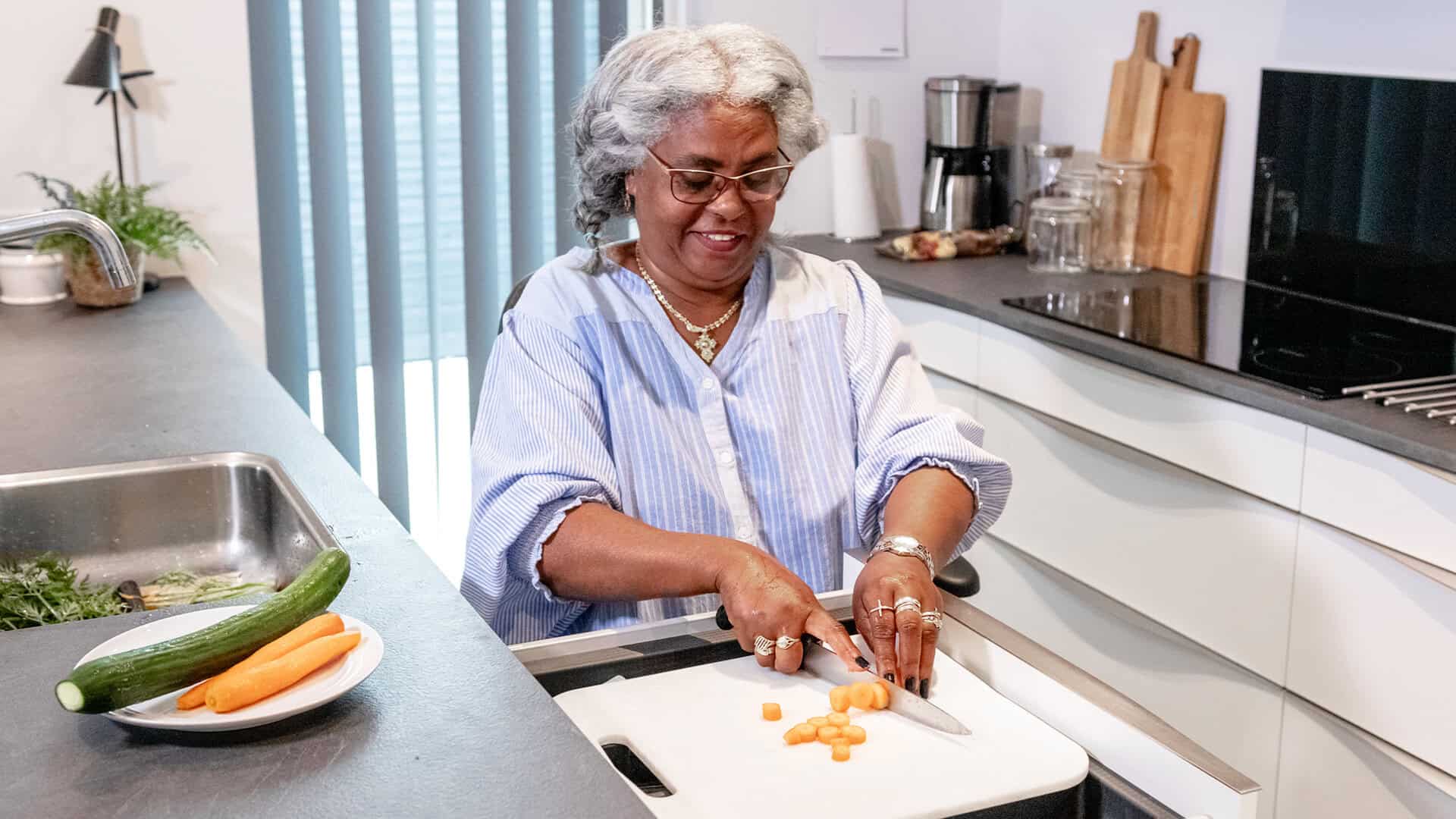
Innovations such as voice-activated home controls, fall detection sensors, and automated medication dispensers now support seniors’ daily routines and safety.[2] [3] These advancements supplement established solutions like the medically approved VELA Independence Chair, designed for safe and convenient use at home. This mobility chair offers enhanced safety features and supports daily activities like cooking, dressing, or transferring by easing the physical burden on both seniors and their informal caregivers. Fall Prevention Strategies for Seniors indicate that such solutions can significantly reduce fall risks and promote safety within the living space.
Industry-wide, the focus on hyper-personalized care in 2026 incorporates custom ergonomic designs, 3D-printed mobility aids, and wearable robotics adapted to each user’s needs.[4] Telehealth-embedded devices, such as adjustable hospital beds with biofeedback sensors, deliver real-time coaching for chronic disease management, including arthritis and Parkinson’s. Predictive, non-invasive health tracking helps identify risk factors early and supports mental well-being, enabling proactive intervention.[3] [5]
Additionally, industry-wide emphasis on inclusive and ergonomic design has led to the development of more affordable and customizable mobility aids, reflecting a global movement toward accessibility and user-centered assistive technologies.[3] [6] Recent research also highlights ongoing challenges in usability for people with severe disabilities, emphasizing the need for expanded user support and product adaptation to ensure assistive technologies meet diverse needs.[6]
Empowering Seniors with Personalized In-Home Care Solutions
In conclusion, Cyril Senior Care stands out in home care with its dedication to personalized, state-accredited service, as also supported by the National Institute on Aging, which finds that nearly 90% of adults over 65 prefer to age in place. The new wave of in-home assistive technologies now includes AI- and sensor-powered solutions as standard, such as real-time obstacle detection, IoT integration for smart home synergy, predictive fall and slump detection, and voice-activated controls. These technologies are complemented by smart glasses supporting navigation and reading, 3D-printed or custom-fitted ergonomic mobility aids, wearable robotics, and telehealth-embedded devices for managing chronic conditions and mental wellness.[4] [4] Smart home systems and remote care platforms are increasingly integral to maintaining autonomy and peace of mind. Alongside ongoing advancements in ergonomics, predictive analytics, and usability, these developments, combined with innovations like Mobility Solutions for Seniors, offer Monmouth County seniors increased independence, peace of mind, and a richer quality of life for both themselves and their families.
References
- U.S. News & World Report Survey on Aging in Place and Tech Adoption, June 2025
- Washington State CARES Fund: Leveraging Technology to Support Aging in Place, January 2025
- Next MSC Market Report on Elderly and Disabled Assistive Devices, May 2025
- AskSamie.com Guide to Innovative Assistive Technology for Seniors, December 2023
- Statista & Accessibility.com Assistive Technology Statistics and Market Trends, January 2025
- Cyces. AgeTech Trends 2025: AI, Robotics & the Future of Aging, 2025
- ButterflyMX. Senior Living Technology Trends 2025
- NextMSC. Elderly and Disabled Assistive Device Market Report 2025–2030
- Standards Sunrise Foundation. The Future of Senior Living 2026
- Seniors Blue Book. A Guide to Useful Technology for Older Adults in 2025
- Health Dimensions Group. 2025 Top Trends in Aging Services
- Geriatric Assistive Devices Market: Trends, Technologies & Outlook
- Long Term Care 2026 Trends and Outlook – Provider magazine
- Home Care Trends 2026: Preparing for Senior Care – Assisting Hands
- Elder Care In 2026: Trends to Watch