

Updated January 2026: We have updated the article to reflect the latest advances in assistive technology for MS, including smart mobility devices with real-time safety monitoring, AI-driven personalized rehabilitation and telerehabilitation, wearable exoskeletons for home use, custom 3D-printed ergonomic mobility solutions, and enhanced emphasis on multidisciplinary care teams for optimal device selection.
Understanding Multiple Sclerosis Home Care Assistance
Multiple sclerosis (MS) presents unique challenges that require specialized home care support. Globally, around 2.8 million people live with MS, and it is most commonly diagnosed between the ages of 20 and 40. According to the National Multiple Sclerosis Society, women are 2-3 times more likely to develop MS than men. Addressing the diverse needs of MS patients can significantly enhance their quality of life and help maintain independence.
Addressing Diverse Home Care Needs for MS
The home care needs of MS patients vary considerably based on the type of MS progression. Relapsing-remitting MS involves periods of severe symptoms followed by recovery phases. Conversely, progressive MS typically results in a steady decline in function. For instance, a patient with relapsing-remitting MS might require more intensive support during flare-ups to manage severe symptoms, while their needs might decrease during remission periods.
As outlined by the National MS Society, home care requirements can range from basic support to comprehensive assistance, highlighting the necessity for adaptable care plans that can address both cognitive and physical symptoms.
Essential Home Modifications for Safety Enhancement
Improving safety and accessibility through home modifications is crucial for the well-being of MS patients. Key adaptations might include installing safety bars, utilizing non-slip flooring, and incorporating smart home technology to enhance independent living. For instance, a bathroom with installed grab bars and water-safe flooring can substantially reduce fall risks.
Recent advances now offer smart home devices that integrate with mobility aids, such as voice-activated systems and accessibility features tailored for MS-specific symptoms. Modern shower benches, grab bars, and voice-controlled lighting systems are refined to increase safety and comfort. Smart cushions continue to support the prevention of pressure sores with real-time feedback, while wearable navigation aids with haptic feedback remain essential for those with visual symptoms. Hands-free mouse alternatives—controlled by head or facial movement—and adaptive switches can further increase independence for users with upper limb limitations.Ultimate Care NY, Assistive Technology Resources (2025)HealthCentral – MS Assistive Devices (2025)
Smart mobility aids such as wheelchairs, walkers, and scooters now feature Internet of Things (IoT) integration, offering real-time monitoring of device use, automatic fall detection, and push notifications to caregivers or health providers when unusual movement or possible emergencies are detected.Ultimate Care NY, Assistive Technology Resources (2025)
According to the Family Caregiver Alliance, these modifications not only minimize hazards but also promote a safer and more supportive living environment.
Building an Effective MS Care Team
Creating a structured MS care team is essential for effective management. Engaging professionals such as neurologists, physical therapists, and occupational therapists alongside home caregivers ensures a comprehensive care approach. Current standard calls for an individualized, multidisciplinary approach to assistive device selection. Involvement of teams that include physicians, orthotists, physical therapists, and gait lab assessments improves the match between a user’s unique needs and the chosen technology, reducing risk of equipment abandonment or inadequate support.HealthCentral – MS Assistive DevicesNational MS Society – MS Rehabilitation Process
Programs like the Multiple Sclerosis at Home Access (MAHA) showcase the benefits of regular check-ins with neurologists and home visits by therapists to optimize patient health outcomes. This collaborative model allows for personalized, adaptable care plans that respond to the ever-changing symptoms experienced by MS patients.
Navigating Financial Resources and Assistance Programs
Financing MS home care can appear overwhelming at first glance. Properly understanding and accessing insurance coverage and assistance programs are vital. While services like Medicare and private insurance may cover aspects of MS care, various limitations exist. The Multiple Sclerosis Foundation offers Homecare Assistance Grants, which help alleviate financial pressures by providing support for respite care or therapeutic services.
For example, these grants can allow a patient to secure respite care, ensuring continued quality care without added financial strain. There is growing recognition of the need to address financial and coverage barriers for assistive equipment and technologies, which may include robotic arms, smart wheelchairs, or other advanced mobility aids.WebMD, Multiple Sclerosis: Assistive Technology Can Help (2024)
Practical Experience and Real-Life Scenarios
Drawing on real-world experience is crucial for understanding the practicalities of MS home care. For instance, consider Jane, a caregiver who implemented a flexible care schedule for her client, Mary, who has relapsing-remitting MS. During flare-up episodes, Jane would modify her care plan to include additional support with daily activities, while allowing for more independence during remission.
This flexible approach not only provided Mary with the necessary support when needed but also preserved her autonomy during periods of well-being.
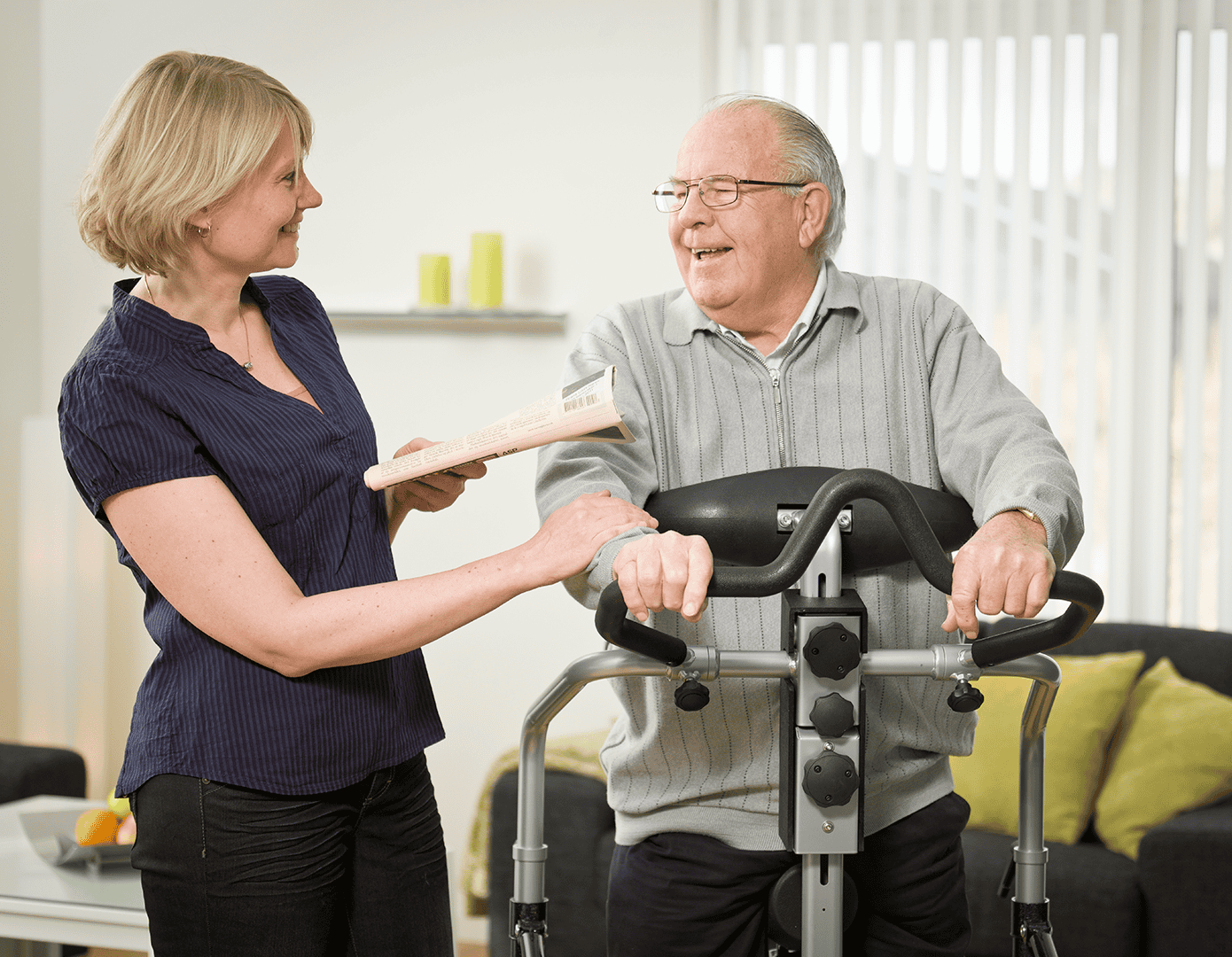
Ensuring mobility and independence is integral to MS home care. As many struggle with the challenges of traditional long-term care facilities, there are solutions enabling older adults to remain in their homes, maintaining comfort and reducing reliance on nursing homes. The VELA Independence Chair is a medically approved mobility chair designed for home use. It offers enhanced safety, freedom of movement while seated, and supports daily activities such as cooking, dressing, or transferring—relieving the burden on informal caregivers and promoting greater autonomy for those with mobility issues. Safety in Home Care is vital, and options like VELA present powerful support tools.
The latest generation of custom mobility solutions for MS now leverages 3D scanning and printing to create personalized ergonomic seating and device components, reducing the risk of pressure sores and maximizing comfort.HealthCentral – MS Assistive Devices Power wheelchairs feature individualized adjustments such as power tilt, recline, articulating footplates, advanced programmable seating, and IoT-based safety monitoring to enhance autonomy, optimize posture, and reduce fatigue. These connected devices monitor usage, battery life, and user movement, sharing data in real time with caregivers to support preventative intervention.Ultimate Care NY, Assistive Technology Resources (2025)Healthcare Brew – CES 2026 Assistive Devices
Wearable exoskeletons—such as the Sidekick and Ascentiz models—are now practical for use in the home setting. They aid with mobility for moderate to advanced disease, helping to address the heaviness, weakness, and unsteadiness commonly reported by MS patients. The latest devices use AI to anticipate movement, providing adaptive assistance tailored to each user’s unique mobility pattern.Healthcare Brew – CES 2026 Assistive Devices
AI-powered telerehabilitation platforms, such as the PLATINUMS project, are transforming delivery of personalized home exercise and mobility training. These systems use artificial intelligence to deliver customized therapy, support real-time monitoring, and maintain rehabilitation engagement continuously between clinic visits, directly addressing gaps in access or fluctuating symptoms.NCR/PMC – PLATINUMS Telerehabilitation
Best practices strongly reinforce that rehabilitation for people with MS should be comprehensive, individualized, and multidisciplinary—incorporating sensory, cognitive and physical training, delivered through collaboration among healthcare professionals. Evidence supports continuous therapy for 8 weeks or longer for balance and gait improvement, with ongoing adjustment based on personal goals and progress.Neurology Clinical Practice (2025) Technology-enabled rehabilitation, including AI-driven platforms, now underpins the modern framework alongside traditional physical and occupational therapy.National MS Society – MS Rehabilitation ProcessIJMSC – MS Rehabilitation Network
At the policy level, recent developments—such as the inclusion of MS disease-modifying therapies on the WHO Essential Medicines List and the prioritization of access, rehabilitation, and workforce support in European MS care frameworks—underscore rehabilitation as a core and essential part of MS management. Addressing barriers like geographical access, inconsistent coverage, and workplace inclusion is increasingly recognized as vital by experts and advocacy groups.EMSP 2025 Conference Insights
- Ultimate Care NY, Assistive Technology Resources (2025)
- Duan H et al., PMC (2023)
- Rehab Medical, Custom Mobility Solutions (2025)
- Giansanti D., PMC (2025)
- EMSP 2025 Conference Insights
- WebMD, Multiple Sclerosis: Assistive Technology Can Help (2024)
- HealthCentral – MS Assistive Devices (2025)
- National MS Society – MS Rehabilitation Process
- Neurology Clinical Practice (2025)
- Healthcare Brew – CES 2026 Assistive Devices
- NCR/PMC – PLATINUMS Telerehabilitation
- IJMSC – MS Rehabilitation Network