

Updated January 2026: We have updated the article with additional findings on the integration of AI-powered and sensor-driven assistive technologies, recent advances in home care provider training for new device adoption, and expanded state and consortium initiatives supporting device funding and accessibility for seniors in Alaska.
Navigating Home Care in Alaska’s Unique Environment
Alaska presents unique challenges for home care assistance due to its vast geography, harsh climate, and diverse population. The state’s senior population is rapidly growing, with individuals aged 60 and older comprising over 20% of the population as of 2022. According to Alaska Commission on Aging, the population of those aged 85 and older is projected to increase by 500% by 2050. This demographic surge underscores the urgent need for adaptive home care solutions across the state.
Understanding the Challenges of Home Care in Alaska
Geographic Isolation and Rural Accessibility
Alaska’s remote areas pose significant barriers to home care delivery. Communities like those in the Arctic Circle or small islands require caregivers to traverse vast distances, making consistent home care challenging. Extreme weather conditions, including severe winters, further complicate travel, impacting service delivery and caregivers’ ability to reach those in need. In villages such as Nome or Barrow, caregivers must often be creative in finding ways to reach clients, sometimes relying on small planes or snowmobiles when roads are impassable.
Extreme Weather Considerations
The harsh Alaskan climate can disrupt care schedules and poses risks to both caregivers and care recipients. Extreme cold and snow can lead to isolation if transportation becomes unavailable. Caregivers often adapt by implementing flexible schedules, preparing for emergencies, and utilizing technology to maintain communication. For example, during particularly severe storms, caregivers might use satellite phones to ensure communication lines remain open.
Culturally Sensitive Care for Alaska Native Elders
Providing culturally sensitive care is vital for Alaska Native elders, who comprise a significant portion of the state’s senior demographic. According to Alaska State Plan for Senior Services, inclusive and culturally appropriate care models that respect traditional practices are essential. Caregivers in these communities incorporate cultural rituals and language into their routines, ensuring that elders receive respectful and holistic care. An example is serving traditional foods and understanding the significance of certain cultural events, which enhances trust and cooperation between caregivers and elders.
Tailoring Home Care Services to Alaska’s Diverse Regions
Urban and Rural Care Services
In cities like Anchorage, Fairbanks, and Juneau, seniors have access to a range of home care services, including hourly and live-in care. These urban areas offer advanced healthcare facilities and resources. Conversely, rural and remote communities rely on innovative solutions, such as telemedicine and local caregiver training programs, to meet the care demands. In places like Kotzebue, local training programs focus on equipping community members with caregiving skills since professional caregivers may not be readily available.
Transportation Challenges
Transportation remains a critical hurdle, particularly in isolated areas. Strategies include community shuttle services, volunteer driver programs, and coordination with regional health services to ensure seniors can travel for essential medical appointments. According to Alaska Commission on Aging, these efforts are crucial in maintaining consistent care across the state’s varied landscapes. Stories from caregivers in Sitka highlight the use of ferry services as a vital transportation link for seniors requiring frequent medical attention that cannot be addressed remotely.
Financial Pathways to Home Care Assistance in Alaska
Medicare and Medicaid
Navigating financial support options, like Medicare and Medicaid, is crucial for accessing home care services in Alaska. Medicaid offers coverage for in-home aid, but navigating the eligibility requirements can be complex. The Family Caregiver Alliance provides comprehensive guidance on leveraging these benefits to ensure seniors receive necessary support. Recently, a Fairbanks family successfully enrolled their elderly father in a Medicaid waiver program, illustrating the importance of understanding state-specific criteria.
Veterans’ Benefits and State Programs
Veterans in Alaska can access home care assistance through specific programs that cover medical and non-medical care at home. Additionally, the state offers financial assistance initiatives tailored to seniors, providing necessary support to cover costs associated with home care services. Real-world stories highlight families successfully utilizing these financial resources to facilitate elderly care in challenging environments. A veteran in Wasilla accessed home renovation grants to improve safety and accessibility in his home, demonstrating effective resource use.
Assistive Technology: Expanding Access and Advancing Solutions
Alaska is experiencing significant progress in the availability and sophistication of assistive technology (AT) for seniors and individuals with disabilities. Through programs such as Assistive Technology of Alaska (ATLA), residents and caregivers can access a comprehensive suite of services, including AT loans, device demonstration programs, equipment reuse initiatives, and technical support. These services make it easier for individuals to trial and acquire assistive tools tailored to their needs before making long-term investments. In addition, expanded recycling and flexible loan programs have improved statewide access to essential devices.
Recent advancements include the integration of AI-enabled and sensor-driven assistive technologies that markedly enhance independence and rehabilitation outcomes. Innovative devices such as AI-powered smart wheelchairs now feature autonomous navigation, obstacle detection, health monitoring (including heart rate, posture, and pressure sore prevention), and adaptive route planning. These wheelchairs may offer voice, gesture, and facial recognition controls, along with app-based real-time data sharing for caregivers and families [1] [6].
Other significant breakthroughs include robotic exoskeletons and wearable medical robots such as the H-Medi, which use AI to analyze user gait, predict disease progression, and deliver personalized rehabilitation. These innovations have demonstrated improvements in walking speed and gait efficiency of over 10-20%, marking a shift toward active, AI-driven rehabilitation solutions [5]. Brain-computer interface (BCI) prosthetics are also facilitating natural and precise limb control using direct neural input, as seen with the NeuroGrip Arm [3].
Wearable assistive technologies now extend to visual navigation, with NeuroVision Pro and related solutions converting visual information into neural signals, supporting spatial navigation and environmental awareness for the visually impaired [2].
Additionally, modern inclusive and ergonomic product development increasingly addresses lifestyle needs beyond mobility. Touchless systems and adaptive devices for daily living, including grooming and personal care, reflect broader efforts to improve the user experience and encourage independence [5].
Clinical best practice is moving toward personalized, data-driven rehabilitation, leveraging AI analytics and real-time health monitoring. Integration with mobile health platforms and caregiver support apps enables tailored interventions, streamlined assessments, and improved patient outcomes [5]. The rapid growth of the assistive technology segment is also spurred by better funding pathways, expanded insurance navigation toolkits, and greater awareness of support grant programs [6] [7].
The emergence of the Assistive Technology Consortium and enhanced statewide policy coordination are delivering new pathways to funding, outreach, and community engagement. This cooperation among agencies, schools, and health care providers streamlines the process for seniors seeking information, assessments, and device acquisition, ultimately supporting aging in place and enabling more ergonomic, inclusive home environments (Alaska Division of Vocational Rehabilitation; CATADA State Update).
Addressing Common Concerns About Home Care in Alaska
How Extreme Winters Affect Home Care
Winter conditions can severely impact the delivery of home care services. Care providers undergo specialized training to operate in these environments, focusing on safety and preparedness. Additionally, technology solutions, such as remote monitoring systems, help maintain continuity of care when physical visits are impeded by weather conditions. In January 2023, during a record snowfall, caregivers in Anchorage utilized video check-ins to ensure their clients’ well-being, illustrating an adaptive response to extreme weather. Increasingly, these strategies now incorporate smart and AI-enabled AT, further improving safety and remote communication capabilities in the face of harsh weather conditions (ATLA Virtual Expo). This includes employing devices with real-time health monitoring and personalized alert functions, fostering greater resilience during winter months [1].
Specialized Training for Alaska Home Care Providers
Home care providers in Alaska undergo rigorous training to address the state’s unique challenges. This includes navigating remote regions, understanding cultural sensitivities, and employing technology to connect with healthcare resources. According to the Bureau of Labor Statistics, these providers maintain specific qualifications to ensure high-quality care. Providers often participate in workshops about indigenous cultures, improving their ability to deliver personalized and culturally respectful care to Alaska Native elders. Ongoing professional development now frequently covers new AT applications, including smart and AI-powered devices, to enhance both safety and independence at home. Current training increasingly addresses interoperability, real-time data sharing, and adaptive functions across a broader spectrum of assistive and rehabilitative technologies.
Solutions for Enhancing Independence at Home
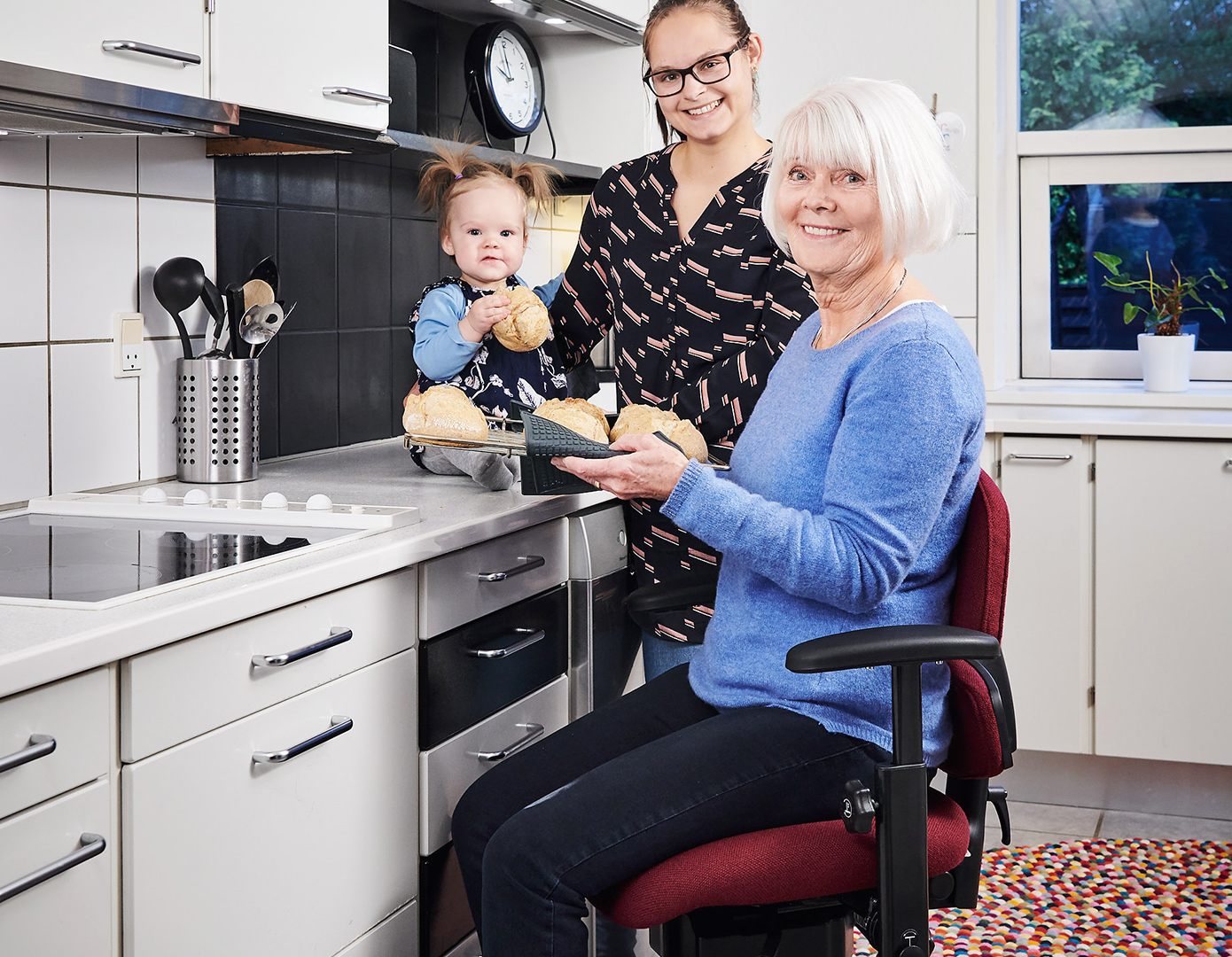
To effectively combat the challenges of nursing homes, especially in geographically and climatically complex environments like Alaska, fostering independence in seniors is crucial. One leading solution is adopting specialized mobility aids that accommodate the unique needs of older adults, helping them to remain in the comfort of their own homes longer. Implementing mobility solutions such as the VELA Independence Chair serves as an exemplary model in this regard. This medically approved chair is designed for home use, enhancing safety and freedom of movement while seated. It supports daily activities like cooking, dressing, or transferring from different heights, and greatly reduces the reliance on informal caregivers for basic mobility needs.
Remaining at home can significantly improve seniors’ quality of life by maintaining their comfort, routine, and independence. Solutions like the VELA Independence Chair play an essential role in this strategy. Features such as a central brake system for safety, easy electric height adjustment, and increased mobility while seated are crucial in preventing falls and easing transfers between furniture and tasks. These attributes are particularly beneficial in harsh environments where ease of movement is necessary. Conversely, without such tools, seniors may face increased dependence and potential relocation to nursing facilities. While VELA chairs are not the only solution, they offer a tried and practical option, promoting dignity, freedom, and safety for the elderly wishing to continue living independently. Explore these chairs designed to support elderly independence and see how they can help extend aging in place.
- Alaska Division of Vocational Rehabilitation, Assistive Technology Program (updated April 2025)
- Assistive Technology of Alaska (ATLA) overview and services (2025)
- Alaska LEND Webinar on AI as Assistive Technology, April 4, 2025
- Assistive Technology Consortium and Statewide Initiatives (CATADA January 2025 update)
- Assistive Technology of Alaska virtual expo details (June 2025 event)
- Innovations in Mobility Aids: AI-powered smart wheelchairs, robotic exoskeletons, sensor integration (2025)
- Revolutionizing Accessibility: NeuroVision Pro and brain-computer interfaces (2025)
- The Best Assistive Tech Gadgets in 2025: Smart glasses and BCI prosthetics (2025)
- Equal Accessibility LLC: Trends in AI-driven assistive technology (2025)
- CES 2025 Award Winners: H-Medi wearable medical robot and assistive robotics (2025)
- Ability Montana: Smart wheelchair upgrades, autonomous navigation, and funding (2025)
- Technavio Market Report: Assistive technology market growth (2025)