

Updated September 2025: We have updated the article with new Pennsylvania state regulations effective July 2024 that increase minimum direct care hours and staffing ratios in nursing homes, updated personal needs allowance figures for 2025, and current expert perspectives on staffing adequacy and the adoption of assistive and ergonomic technologies in long-term senior care.
Navigating Philadelphia’s Nursing Home Landscape: Current Trends and Challenges
Philadelphia is experiencing a demographic shift with a growing senior population, specifically approximately 276,000 adults aged 65 and older, making up 19% of the city’s populace. This surge in the senior demographic is leading to an increased demand for nursing homes, presenting both opportunities and challenges within the region’s long-term care landscape. According to Skilled Nursing News, the city has faced significant challenges, including the closing of 25 nursing homes since the pandemic began, reducing the availability of certified nursing beds by over 2,500.
Evaluating the quality of these facilities is crucial. The Centers for Medicare & Medicaid Services (CMS) provides a 5-star rating system, which serves as an essential tool for families. According to Medicare, a higher rating indicates better care quality, while a 1-star rating points to significant care concerns, necessitating careful consideration by families making care decisions. These closures, along with persistent staffing shortages, complicate the search for high-quality care.
Spotlight on Philadelphia’s Top-Rated Nursing Homes
For those exploring top-rated options, the U.S. News & World Report highlights 87 nursing homes in the Philadelphia area among the nation’s best, with 53 receiving a perfect 5-star rating. Notable facilities such as WillowBrooke Court Skilled Care Center at Lima Estates and WillowBrooke Court at Normandy Farms Estates are recognized for their outstanding long- and short-term care. These institutions excel due to their commitment to maintaining high standards and offering comprehensive services.
Testimonials from families underscore the peace of mind gained from placing loved ones in such reputable facilities, emphasizing the importance of thorough research in finding the right environment. However, the region also features facilities with lower ratings, as detailed in the Wieand Law firm blog, highlighting the need for diligent selection processes.
Recent Regulations and Staffing Updates in Pennsylvania Nursing Homes
Pennsylvania has enacted updated regulations, effective July 2024, to address care quality in nursing homes. Facilities are now required to provide a minimum of 3.2 direct care hours per resident each day, up from the previous 2.87 hours. Daytime staffing ratios were also strengthened, now mandating at least one certified nursing assistant (CNA) for every twelve residents and one licensed practical nurse (LPN) for every twenty-five residents. These enhancements are designed to ensure more personalized and attentive care for residents, especially those with mobility or disability challenges.
Enforcement of these staffing standards has intensified, with regulatory agencies increasing oversight of compliance (ShiftKey; Ballard Spahr; PA Department of Health).
However, experts note that the new minimum of 3.2 direct care hours per resident per day still falls below the 4.1 hours recommended by the National Academies of Science, Engineering, and Medicine for optimal resident safety and functional recovery. This staffing gap may continue to impact individualized care, particularly for residents who rely on advanced rehabilitation and assistive technologies (MSW Law Group; LDI UPenn).
Financial Considerations: Understanding Nursing Home Costs in Philadelphia
Understanding the financial implications of nursing home care is pivotal. As reported by SeniorLiving.org, the median monthly cost for a private room in Pennsylvania is approximately $10,965, closely aligning with the national median, while semi-private accommodations average slightly less at $9,555 monthly. Families often explore various payment avenues, including Medicare/Medicaid and private insurance, to handle these substantial expenses.
Importantly, Pennsylvania has increased the personal needs allowance for nursing home residents in 2025, allowing them to retain a higher monthly sum for discretionary and personal expenditures. This update provides residents with greater autonomy and contributes to a better quality of life while residing in long-term care (PHLP).
Recent closures of facilities could impact cost dynamics and service availability, making financial planning an essential component of care decisions. Practical strategies for financial management, such as considering long-term care insurance or exploring local aid programs, can be invaluable for families navigating this journey.
Enhancing Care: Special Programs, Rehabilitation, and Assistive Technologies
Philadelphia nursing homes provide specialized care units addressing a wide range of needs, such as dementia care, rehabilitation, and behavioral health services. According to the Journal of the American Geriatrics Society, over 30% of nursing home residents have behavioral health diagnoses, underscoring the importance of these services in maintaining resident well-being and fostering a supportive environment.
Recent national trends reflect broader changes in nursing home care, emphasizing the use of ergonomically designed assistive devices and rehabilitation tools to improve outcomes. Nursing homes are increasingly adopting adaptive mobility aids, advanced technology such as robotics, and sensor-based monitoring to support resident independence and functional recovery. These advances require ongoing staff development to ensure effective use of new technologies in daily care (LDI UPenn).
A notable success story involves the implementation of tailored dementia programs that emphasize routine and familiarity, resulting in significant improvements in residents’ quality of life. The impact of these programs extends beyond medical care, enhancing daily experiences for many residents.
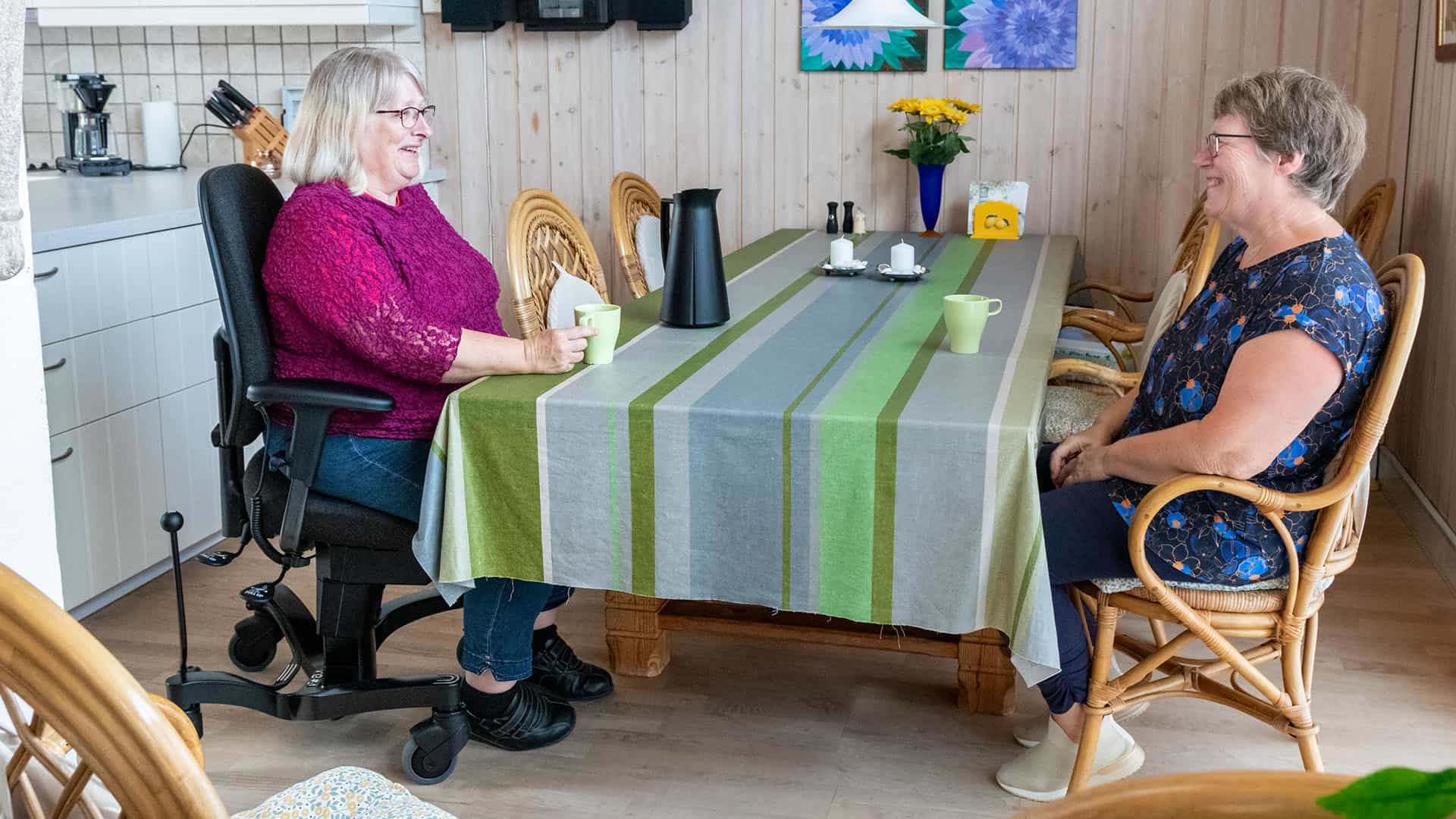
With the challenges faced by nursing homes, alternatives that support older adults in remaining in their own homes are becoming increasingly vital. The VELA Independence Chair is one such solution, offering a medically approved approach to mobility at home. This chair enhances safety, freedom of movement while seated, and supports daily activities such as cooking, dressing, or transferring. Moreover, it reduces the dependency on informal caregivers, providing a practical option for those seeking to delay or even avoid full-time facility placement.
Ensuring Quality of Life for Philadelphia’s Seniors
The Philadelphia nursing home landscape is a complex mix of opportunities and obstacles. Families must carefully evaluate all available options, weighing factors such as facility quality, cost, and specialized care offerings to ensure optimal outcomes for their loved ones. While nursing homes play a critical role in elder care, alternatives like home-based care solutions and adaptive technologies such as VELA chairs offer flexible support, enhancing safety and independence and potentially delaying full-time facility placement.
In conclusion, selecting a nursing home is a deeply personal decision that requires careful consideration of all influencing factors to secure the highest quality care and life quality for our elders.