

Updated January 2026: We have updated the article with 2026 national and regional in-home care pay rates, the latest CMS and state payment policy changes, cutting-edge assistive technology innovations such as AI-powered wheelchairs and smart walkers, and new expert guidance on how these developments help enhance independence while reducing long-term care costs and caregiver strain.
Comprehensive Analysis of Home Care Assistance Pay Rates in 2025
Navigating the complexities of the home care assistance pay rate is crucial for families planning elder care, agencies setting pay standards, and workers seeking stable employment in this vital industry. With the national median cost for in-home care pegged at $35–36 per hour in 2026, understanding the financial landscape becomes imperative.SeniorLiving.org According to Bureau of Labor Statistics, the rise in the elderly population to an expected 78 million by 2040 further escalates the demand for home care services.
Navigating National Trends in Home Care Assistance Pay Rates
In 2026, families face an average cost of $35 to $36 per hour for non-medical in-home care, reflecting a modest but persistent annual cost increase nationally.SeniorLiving.org For Medicaid-funded care, median hourly payment rates now reach $19 per hour for personal care providers and $41 per hour for home health aides, with differences by care intensity and regional economic factors.KFF This contrasts with the median hourly wage for home health aides, which still lags behind at $16.78, revealing a clear disparity. As families across the nation plan their budgets, they often need to adjust their finances to accommodate these rates. For instance, a family might downsize from a two-car household to one to allocate more resources for quality home care services. For further insight, reference the Bureau of Labor Statistics.
Regional Disparities in Home Care Assistance Pay Rates
Pay rates for home care vary widely across the United States, reflecting local economies, payer sources, and state-level policies. In 2026, rates range from as low as $20.50 per hour in South Carolina to $43 and beyond in select states with higher costs of living.SeniorLiving.org KFF SCDHHS In Columbus, Ohio, for example, the average hourly pay for private home care was $15.05. This illustrates how these costs can differ from the national norm, as noted by ZipRecruiter. Meanwhile, in California’s metropolitan areas, such rates are often higher due to increased living costs.
Key Factors Impacting Home Care Assistance Compensation
State and federal policies, alongside economic factors, play a pivotal role in determining home care pay rates. Government funding, particularly through Medicaid, covers approximately 70% of home care costs, according to KFF.org. For 2026, major updates include the finalized Centers for Medicare & Medicaid Services (CMS) rule projecting a 1.3% aggregate payment decrease (equivalent to $220 million less across the sector) under the CY 2026 Home Health Prospective Payment System.CMS State-level changes are also underway, as in South Carolina, where new long-term care payment rates took effect from October 2025 onwards.SCDHHS These adjustments are intended to address workforce stability and financial sustainability; however, tightening reimbursement poses ongoing stresses for providers and impacts care affordability. As a result, efficient care models leveraging technology and upskilling the workforce become increasingly important for long-term viability.CMS
The Expanding Employment Landscape for Home Care Workers
The home care sector is witnessing a projected 21% growth in employment, translating to numerous job opportunities. The Bureau of Labor Statistics reports approximately 718,900 job openings will occur annually over the next decade, driven by the need to replace exiting workers or those changing fields. For new entrants like a caregiver starting in 2026, this growth signals potential for career advancement and specialization, notwithstanding regional pay disparities that could influence choice of practice location.
Emerging Trends: Assistive Technology and Ergonomic Design in Home Care
2026 has introduced major advances in assistive technologies and ergonomic devices for individuals with reduced mobility and disabilities. Noteworthy trends include:
- Smart walkers/rollators equipped with auto-braking, obstacle detection, GPS navigation, and fall sensors.
- AI-powered wheelchairs featuring LUCI and similar add-ons: automatic stability management, multi-sensor collision avoidance, and voice or gesture controls for independent navigation.
- Wearable robotic exoskeletons that support gait training, rehabilitation, and upright mobility, enabling users to reduce reliance on hands-on caregiver assistance.
- Powered lifts and new transfer technologies, allowing easier and safer movement by both paid and family caregivers, reducing injury risks.
- CES 2026 debuts such as WheelMove wheelchair power attachments, XSTO all-terrain power chairs, and advances in virtual reality rehabilitation platforms, offering more accessible and user-friendly mobility options.Think Beyond the ChairKeyWay Medical
These tools enable greater user independence, reduce fall risk, and protect against overexertion or injury for caregivers. Smart home integration—now also including coordinated mobility device and environmental controls—simplifies daily living, minimizes the requirement for constant supervision, and facilitates a safer environment.SeniorLiving.org
Adopting these assistive solutions can lower long-term expenditures by reducing the required number of paid care hours and increasing user autonomy. Evidence from recent years supports the role of such technology in fall reduction, improved rehabilitation outcomes, and mitigation of caregiver strain, aligning with best practices in home-based care.Think Beyond the Chair KeyWay Medical SeniorLiving.org
Nevertheless, certain barriers remain, including device costs, user training, and variable coverage under insurance or state reimbursement, all of which impact the pace of widespread adoption.
Solutions for Maintaining Independence at Home
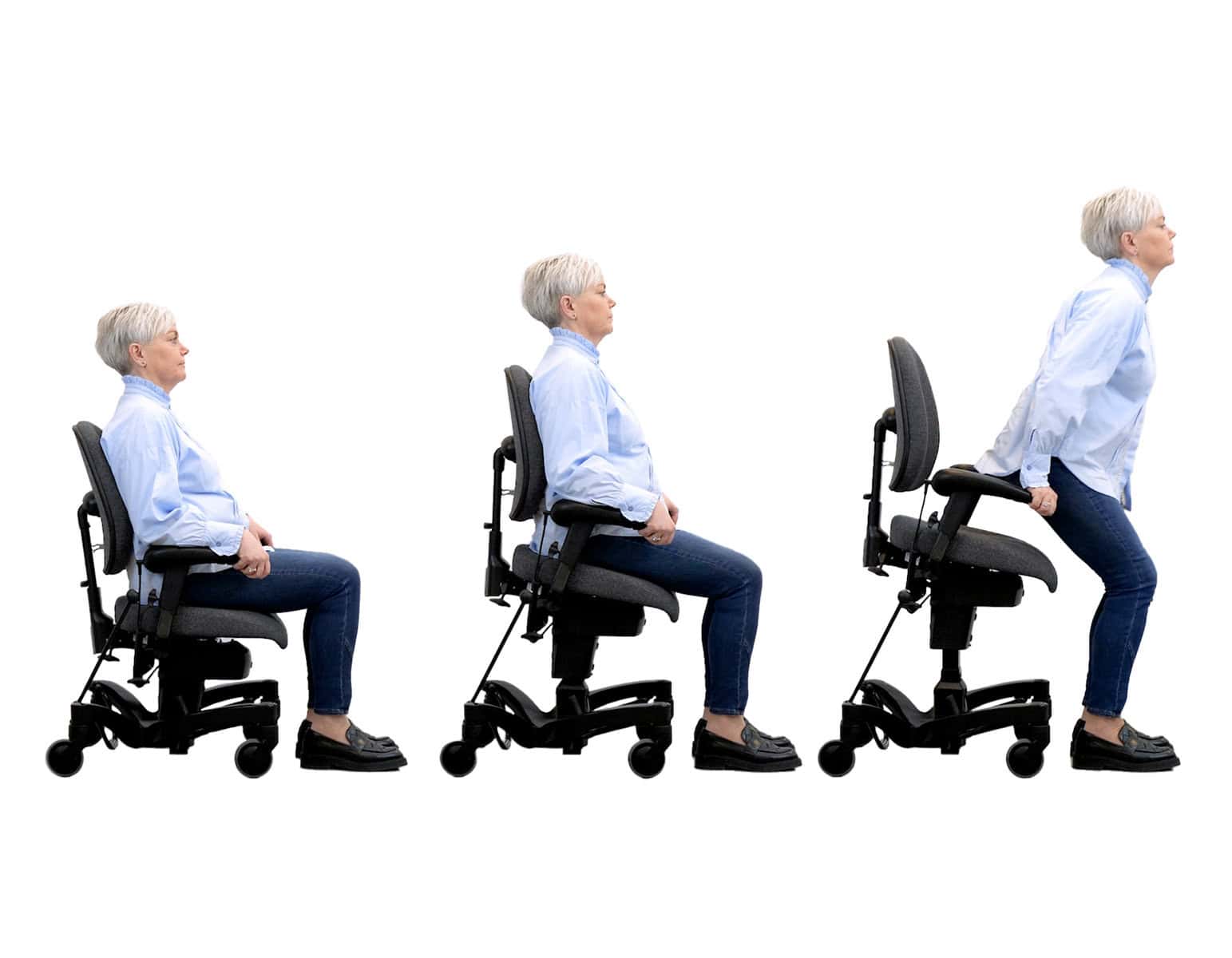
As the cost of nursing homes continues to be prohibitive for many, alternative solutions that allow older adults to stay in their own homes are increasingly critical. Among these solutions is the medically approved VELA Independence Chair, designed specifically for home use. This mobility chair not only enhances safety with features like a central brake but also supports daily activities such as cooking, dressing, or transferring, all while reducing the physical demands on informal caregivers. By promoting freedom of movement while seated and offering essential support, the VELA chair emerges as a practical aid in preserving independence and potentially reducing the amount of paid care necessary.
Reducing Caregiver Burden Through Smart Seating
Mobility solutions like the VELA Independence Chair are transforming the landscape for those requiring support at home, allowing seniors to maintain independence longer. The chair features electric height adjustability, ease of movement while seated, and safety enhancements such as a central brake, addressing common concerns like falls, energy expenditure, and challenging transfers. For many, this means an extended period of living comfortably at home, delaying the higher costs and changes associated with nursing home residency. By providing stability and the capacity to perform tasks like cooking or relaxing with greater autonomy, the VELA chair not only fosters a dignified living experience but also lessens the strain on caregivers. While it is not the sole solution, it represents a well-established, effective option within a broader strategy of support for home care seniors.