

Updated January 2026: We have updated the article to reflect the repeal of federal minimum nursing home staffing standards, the increased integration of advanced technology and telehealth as standard practices in care, the growing prioritization of emotional and mental health support, the formalization of family involvement during care transitions, and new best practices for evaluating staffing coverage amidst ongoing workforce shortages.
Finding the Ideal Nursing Home: Aligning with Quality and Individual Needs
Choosing the right nursing home for a loved one is a significant decision that requires careful consideration of various factors, from quality standards to personalized care. According to Medicare.gov, state inspectors ensure facilities comply with Medicare and Medicaid regulations through rigorous health and safety inspections. These inspections serve as a vital component in the selection process.
For an objective evaluation of nursing homes, the CMS Five-Star Quality Rating System is invaluable. This rating system assesses homes based on health inspections, staffing adequacy, and care quality metrics, offering a transparent view of the anticipated care environment. Learn more about the CMS Five-Star Quality Rating System.
Defining the Ideal Nursing Home: Core Standards and Rights
Understanding the fundamental standards that govern nursing homes is crucial in ensuring resident rights and quality care. Facilities are obligated to create detailed, individualized care plans that prioritize the dignity and well-being of each resident. According to CANHR, nursing homes must enhance resident quality of life based on thorough assessments and outlined care plans.
Real-life illustrations from residents and their families underscore the value of personalized care plans. For instance, one family reported that their mother regained a sense of independence due to a dedicated care approach, while another emphasized the importance of maintaining resident self-esteem and autonomy.
How to Evaluate and Choose the Best Nursing Home
Effective selection of a nursing home involves utilizing tools like the CMS Five-Star Rating System to evaluate staffing quality, resident satisfaction, and safety. More details are available in the CMS Five-Star Quality Rating System. However, beyond numerical ratings, personal visits are vital. Insights from National Institute on Aging recommend observing staff-resident interactions and facility ambiance.
As of mid-2025, the methodology for calculating health inspection ratings has been updated by CMS. Ratings now focus on the two most recent standard surveys instead of the previous three, significantly influencing the reported performance of facilities. Additionally, CMS now provides greater transparency by reporting average chain-level ratings through the Nursing Home Care Compare site, supporting consumer decision-making. This change, along with enhanced surveyor guidance, aims to improve quality assurance, deepen oversight of medical director responsibilities, medication management, and infection control, and strengthen compliance around admission policies. Previously introduced requirements for stricter definitions of nursing roles and minimum staffing levels have been repealed effective February 2026, which means there is no longer a federal minimum standard for 24/7 registered nurse coverage or a set number of direct care hours per resident per day. However, facilities are still required to staff according to actual resident acuity using the enhanced facility assessment process.CMS Quality, Safety and Oversight memorandum QSO-25-NH (2025) CMS Revised Long-Term Care Surveyor Guidance (2025) CMS Revised Nursing Home Surveyor Guidance (2025) – Summary Federal Staffing Standard Repeal (2026)
Given ongoing staffing shortages and variability in coverage—especially nights and weekends—it is increasingly important for families to request documentation of staffing levels on a shift-by-shift basis and ask how the facility adapts staffing to resident needs. This helps identify red flags during selection and ensures responsive care as workforce pressure persists.Federal Staffing Standard Repeal (2026)
Interviews with healthcare professionals, like Margaret, a family care specialist, stress the importance of inquiring about care culture. Observing meal times can reveal staff attentiveness and resident engagement, offering a glimpse into the everyday experiences of residents. Family involvement in transitions and care planning is now increasingly formalized and considered best practice.
Navigating Costs and Reimbursement Options in Nursing Homes
The financial dimension of nursing home care is a significant factor, with costs varying widely based on location. Monthly fees for private rooms range between $7,500 and $10,000. While Medicare and Medicaid provide some coverage, understanding the limitations is crucial. Insights into these options can be found on Medicare.gov.
Recent trends highlighted in the 2025 MedPAC report show the rising significance of Institutional Special Needs Plans (I-SNPs), a care model within Medicare Advantage, which supports better care coordination, rehabilitation, and quality outcomes for nursing home residents. Improved Medicare and Medicaid reimbursements continue to support skilled nursing services, especially as resident acuity rises and state-level supplemental payments are more closely linked to care quality measures.MedPAC June 2025 Report NIC 2025 Trends
Financial planning can alleviate cost burdens markedly. Case studies show families successfully managing expenses through a combination of insurance benefits, private payments, and long-term care policies, illustrating the need for strategic financial preparation.
Exploring Alternatives and Innovative Care Models to Traditional Nursing Homes
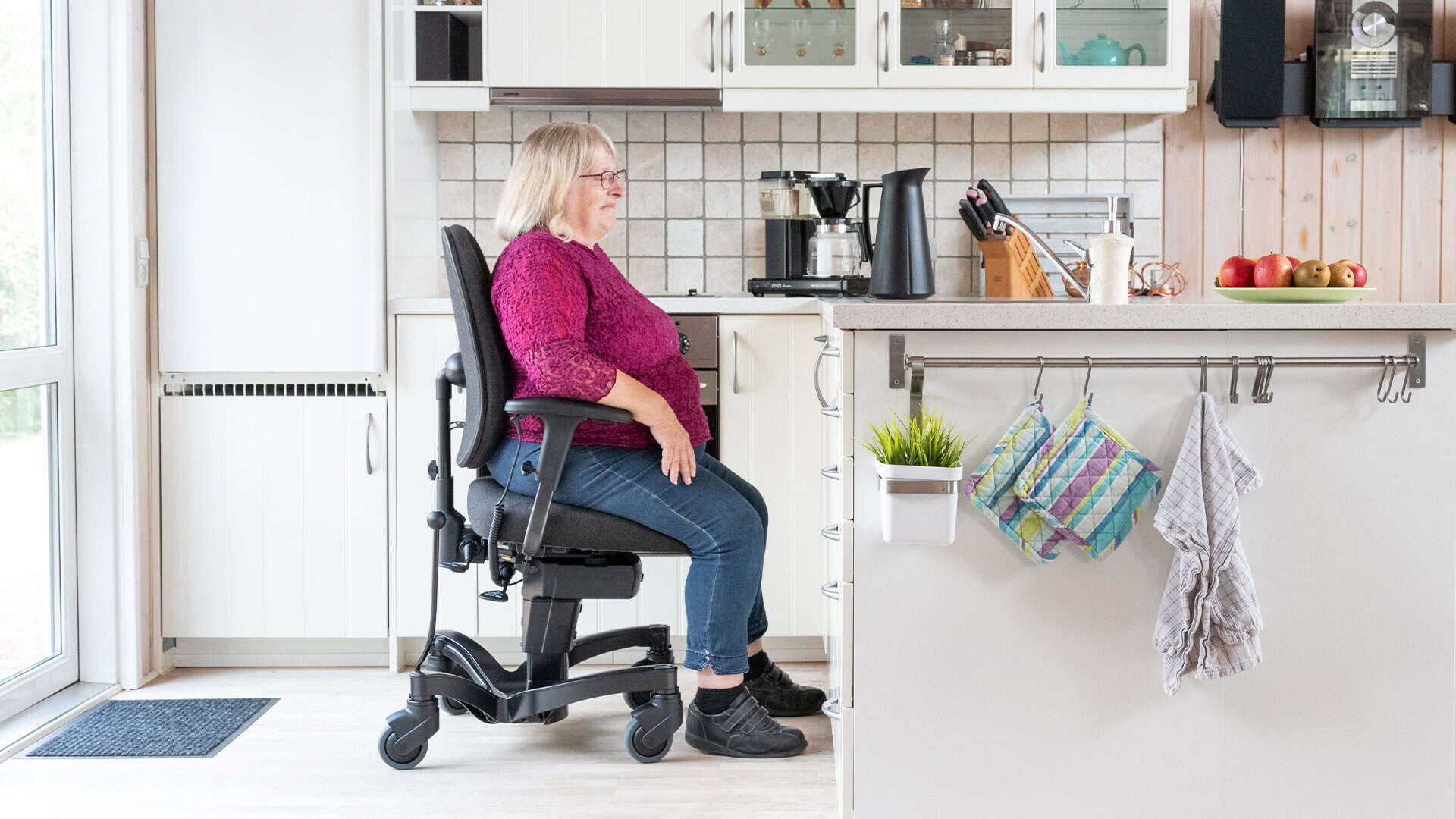
For those seeking alternatives to conventional nursing homes, options exist such as assisted living, home care, and other innovative care models. While traditional nursing homes offer a comprehensive care experience, they can sometimes restrict personal independence. To counteract these challenges and enhance autonomy, older adults can explore solutions that enable them to remain in their homes longer. One innovation is the VELA Independence Chair, a medically approved mobility chair designed for home use. This chair enhances safety, allows freedom of movement while seated, and supports daily activities such as cooking, dressing, and transferring, ultimately reducing the load on informal caregivers.
By 2026, technology-enhanced personalized care has become a standard part of both facility-based and home care. This includes telehealth integration, smart home features such as voice-activated assistants and automated lighting, and the use of data analytics for real-time health monitoring. Home care increasingly incorporates AI-assisted support and remote patient monitoring, which identifies concerns earlier and allows more effective care planning. “Hospital at home” models are expanding, letting seniors receive IV therapy, wound care, and post-surgical monitoring at home.Healthcare IT News: Technology Personalized Senior Care (2026)
Memory care facilities are advancing sensory therapy rooms, music and art therapy, and person-centered care models. These settings now emphasize emotional well-being and mental health alongside physical safety, with staff receiving enhanced training on empathy and understanding individual resident histories.Senior Living: Person-Centered Memory Care (2026) Senior Care Journal: Mental Wellness in Nursing Homes (2026)
Assisted living and home care provide opportunities for more personalized care settings. Innovations like VELA chairs enhance mobility and diminish fall risks, significantly benefitting daily self-reliance. For example, Emily shares how her father’s confidence in engaging daily activities improved after using a VELA chair, reducing their reliance on continual assistance.
Supporting Aging in Place: A Practical Option
VELA Chairs represent a significant advancement in supporting aging in place, allowing seniors to maintain their independence at home longer. These chairs are designed with features that address vital needs such as safety and ease of mobility. A central brake ensures stability while the chair is stationary, reducing fall risks. Electric height adjustability makes transferring in and out of the chair smoother, while the ease of movement while seated helps conserve energy for seniors. By enabling older adults to perform everyday tasks like cooking and cleaning with more ease and safety, VELA chairs help mitigate the need for nursing home care. This practical solution empowers individuals to live with dignity, freedom, and reduced reliance on caregivers, illustrating a balanced approach to aging in place. While VELA chairs are not the only solution, they represent a proven path to enhancing life at home. For more on maintaining independence, explore Mobility Solutions for Elderly Care.
Industry Trends and Workforce Considerations
The long-term care sector continues to grow amid an aging population, but workforce shortages and financial pressures remain persistent concerns. As of 2026, shortages of staff—particularly during night and weekend shifts—are ongoing and intensifying. This makes real-time visibility into staffing coverage and quality even more important during facility selection.Federal Staffing Standard Repeal (2026)
Industry leaders are shifting from reactive care toward strategic, proactive models that emphasize wellness, staff development, and integration of technology such as telehealth and smart home features. Value-based care and digital platforms are now used to improve operational efficiency, staff sustainability, and care quality. Emphasis on holistic, person-centered care includes recognition of residents’ emotional and mental health as equivalent to physical safety.
Industry consolidation is on the rise, with regulatory changes focusing on reducing unnecessary bureaucracy and enhancing transparency for consumers—especially via updated Nursing Home Care Compare tools that now provide performance data on facility chains as well as individual homes.Skilled Nursing News: 5 Skilled Nursing Providers to Watch in 2025 American Health Care Association 2025 Policy Priorities
Regulations and Ownership Transition
Recent regulatory reforms, such as those in Illinois, have updated procedures related to nursing home ownership changes and transition plans. These updates are part of a broader movement to strengthen oversight and ensure a consistently high standard of care in all facilities.Illinois Long-Term Care Law Update (2025)
Sources
- Medicare.gov
- CANHR
- National Institute on Aging
- CMS – Five-Star Quality Rating System
- Provider Magazine: Long Term Care 2025 Trends and Outlook (2025)
- CMS Quality, Safety and Oversight memorandum QSO-25-NH (2025)
- CMS Revised Long-Term Care Surveyor Guidance (2025)
- American Health Care Association 2025 Policy Priorities
- Skilled Nursing News: 5 Skilled Nursing Providers to Watch in 2025
- Illinois Long-Term Care Law Update (2025)
- CMS Revised Nursing Home Surveyor Guidance (2025) – Summary
- MedPAC June 2025 Report
- NIC 2025 Trends
- Skilled Nursing News, May 2025
- Federal Staffing Standard Repeal (2026)
- Healthcare IT News: Technology Personalized Senior Care (2026)
- Senior Living: Person-Centered Memory Care (2026)
- Senior Care Journal: Mental Wellness in Nursing Homes (2026)