

Updated September 2025: We have updated the article to include new developments in AI-powered assistive technologies, smart mobility aids, ergonomic device design, and emerging trends in accessible, integrated support for independent living and aging in place.
Exploring the Best Independent Living Communities Near Me
When exploring independent living communities that best suit your needs, it’s essential to differentiate between available options to ensure enhanced quality of life and independence in later years. Notably, 50% of assisted living residents are aged 85 or older, emphasizing the importance of communities catering to personalized experiences according to SeniorLiving.org.
Understanding independent living: what does “best” mean?
Independent living enables seniors to maintain an active lifestyle without the burdens of home maintenance. The “best” community blends social interaction opportunities with a personalized living environment. A successful example includes an 80-year-old resident participating in pottery classes and community gardening, thriving due to the social bonds and fulfilling activities offered by the community according to The Senior List.
Who benefits most from independent living communities?
Designed primarily for those over 55, with most residents in their late 70s to 80s, these communities benefit individuals with early-stage dementia or mild mobility challenges. Psychological and physical benefits are observed through even minimal community interaction, offering both improved mental health and enhanced safety—factors driving increased demand for specialized care and facilities according to Haven Senior Investments. Success stories include residents who transitioned from dependent care settings and flourished due to renewed community engagement.
Top-rated communities near you: how to find and evaluate options
Evaluating independent living communities involves assessing factors such as activities, food quality, and safety measures. Structured reviews and checklists are instrumental for informed decision-making according to U.S. News Best Senior Living 2025. Families have found satisfaction through comprehensive evaluations, ensuring the right match is chosen to meet loved ones’ needs.
Enhancing independence and mobility at home
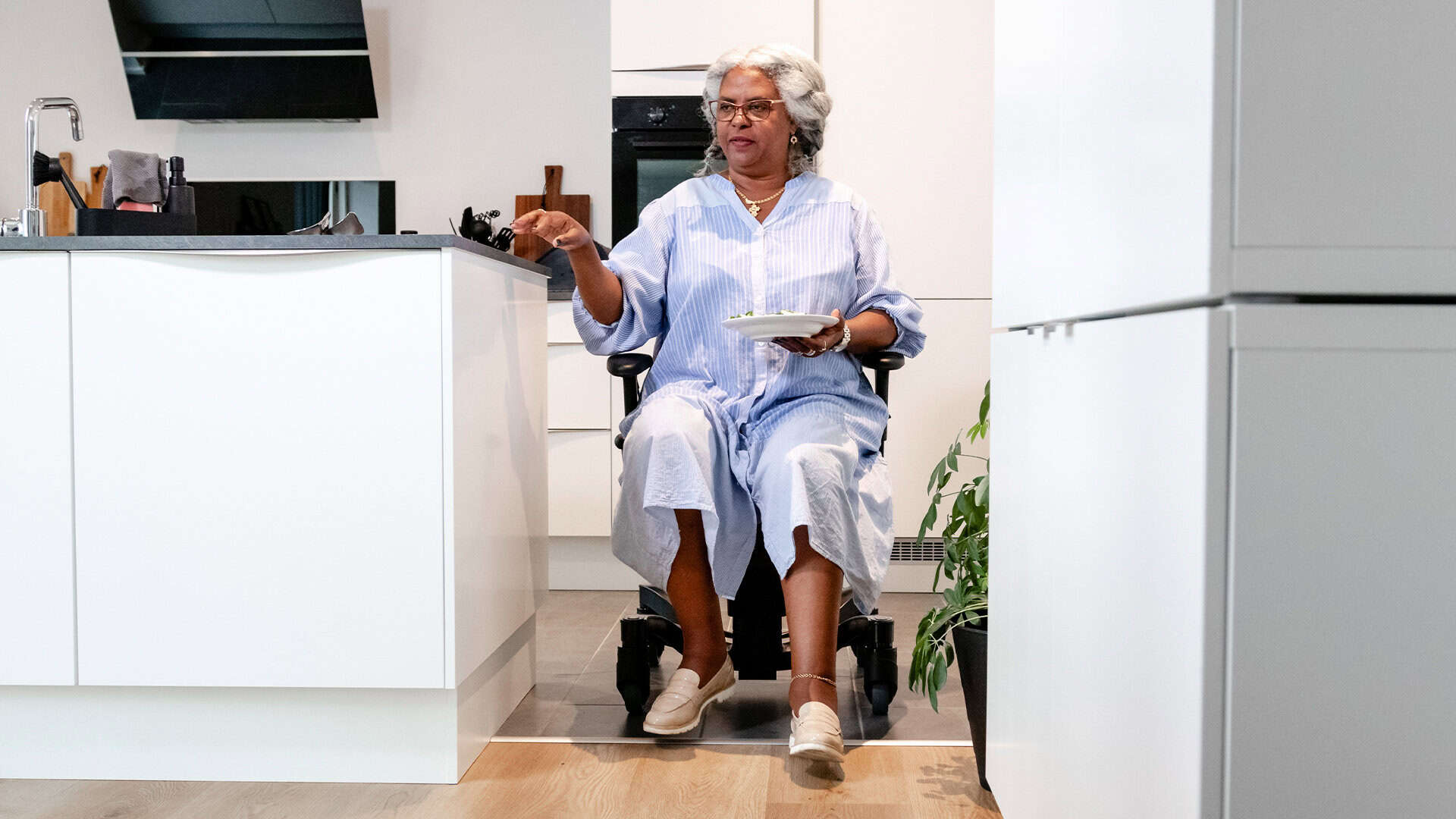
Addressing the unique challenges faced by aging individuals at home has become more advanced due to innovative assistive technology. In addition to traditional solutions, recent developments feature integrated AI-powered devices such as smart mobility aids, wearable exoskeletons, and AI-driven smart glasses that support independence for those with mobility or visual impairments Channel Point Village Think Beyond the Chair. For older adults yearning for autonomy but contending with limited mobility, supportive tools like the VELA Independence Chair present a robust solution. This medically approved mobility chair is designed for home use, offering features such as stable, lockable wheels, ergonomic support, and enhanced safety. Now, the latest mobility aids also incorporate ergonomic, lightweight materials and anti-tipping, pressure-point monitoring for improved safety and comfort SeniorSite.org.
Advanced models often integrate AI assistant technology for intuitive, hands-free support and app-based device controls, promoting independence and reducing caregiver burden Let’s Envision. Smart wheelchairs now feature autonomous navigation, real-time environmental awareness, and adaptive controls that enable safer, more efficient daily living Ability MT. In summary, selecting an independent living community or deciding to age in place requires a balanced evaluation of lifestyle options, safety features, and the latest available technology. Solutions like VELA chairs and modern assistive tech further improve quality of life by promoting independence and safety, which are crucial as demand for these communities grows. Resources like SeniorLiving.org provide critical insights to inform these important decisions.
Supporting aging in place: a practical option
Seniors striving to maintain their independence at home can benefit from the growing range of high-tech mobility solutions, including AI-powered and ergonomically enhanced devices. The VELA Chair, for example, addresses safety and ease of movement with features such as a central brake and electric height adjustability, supporting comfortable and energy-efficient movement. New designs also emphasize user-centered ergonomics, pressure monitoring, and personalized adaptability for enhanced safety and support PMC PMC.
By enabling everyday activities, from cooking to cleaning, and facilitating digital feedback and personalized rehabilitation, these assistive solutions directly enhance quality of life while delaying the need for residential care. Integrating devices with AI assistants and home automation further empowers users and reduces caregiver workload. Living independently with such tools fosters dignity and freedom, offering proven practical advantages for seniors and their caregivers. Although VELA is not the only solution, its evolving features reflect the trend toward integrative, adaptive, and intuitive assistive technology ecosystems Equal Accessibility LLC. For more insights into enhancing independence at home, visit Mobility Solutions for Seniors.