

Updated January 2026: We have updated the article with the latest findings on personalized, tech-integrated independent living floor plans, smart home and AI-enabled assistive technologies, open minimalist and neuroaesthetics-inspired designs, sustainable and intergenerational housing models, and wellness-centered features supporting greater mobility, mental well-being, and inclusive aging in place.
The Growing Demand for Independent Living Floor Plans
As Baby Boomers continue to transition into the senior demographic, the demand for “independent living floor plans” is on the rise. These plans cater to seniors who are increasingly interested in accessible, maintenance-free environments that support their independence. According to the National Investment Center for Seniors Housing & Care (NIC), an additional 806,000 senior housing units will be needed by 2030 to accommodate this demographic shift. Significant growth in housing inventory is essential to meet market penetration rates.
Understanding Independent Living Floor Plans and Their Ideal Residents
Independent living floor plans are designed for seniors who are largely self-sufficient and seek to minimize the challenges associated with aging. Typically, the residents are aged 75 and older, often facing mobility challenges, chronic conditions, or mild cognitive impairments. These floor plans, such as those offered at Maravilla Scottsdale, offer flexibility to accommodate diverse resident needs. As explained by SeniorLiving.org, independent living costs vary based on unit size and available amenities.
Key Features of Modern Independent Living Floor Plans
Modern independent living floor plans prioritize accessibility, safety, and adaptability. In addition to longstanding ADA compliance features like zero-step entries and open layouts, recent advancements now emphasize integration of smart home and AI-driven technologies. Automated controls, health monitoring devices, and fall detection systems are increasingly common, enabling seniors to manage daily tasks independently and improve safety at home.[1][2][4][1-new][3-new]
Designs have shifted from traditional fixed or institutional floor plans to flexible, open minimalist layouts that support seniors’ freedom and mobility, such as larger, homelike units with in-unit washers and dryers, adaptable storage, and accessible balconies. Smart home technologies—like voice-activated controls, automated lighting, and AI-powered monitoring—are standard, while features such as mass customization of finishes support personalization for individual wellness and lifestyle needs.[1-new][3-new][5-new]
There is a strong focus on ergonomic and inclusive design updates: features like adjustable cabinetry, modular grab bars, non-slip flooring, and wider doorways have become central, supporting seniors’ ability to age in place. Bathroom modifications, walk-in tubs, and adaptable kitchens provide further flexibility as residents’ needs evolve. Emerging neuroaesthetics principles inform layouts, lighting, and finishing choices to enhance balance, mobility, and cognitive well-being.[5-new]
Wellness-centered environments are a priority, with nature-inspired color palettes (earth tones and greens), increased natural lighting, and opportunities for connection to the outdoors—these elements help foster mental health and daily comfort. Many developments now include personalized mobility and fitness paths and communal gathering areas designed to facilitate both physical activity and intergenerational connection.[4-new][8-new]
Sustainable features—including energy-efficient lighting and HVAC, the use of renewable and locally sourced materials, and the incorporation of solar panels—create healthier and more cost-effective living environments. Developing communities also respond to growing demand for blended care models, moving away from rigid service levels in favor of adaptable, resident-driven support, allowing individuals to remain in their homes even as care needs shift.[1-new][7-new]
Key accessibility innovations such as first-floor layouts, grab bars, walk-in tubs, and ample turning space remain central to aging-in-place goals. Meanwhile, minimalist open kitchen and bath designs, oriented towards decluttered and barrier-free movement, allow for easier navigation and increased day-to-day autonomy, including for wheelchair users or those with significant mobility limitations.[2-new][6-new]
Open kitchen designs that facilitate independent meal preparation remain a key element. According to NIC’s insights, these design features are reflective of both inventory growth and evolving priorities in senior housing development.
Evaluating the Costs of Independent Living
The costs associated with independent living are influenced by factors such as unit size, amenities, smart technology integration, and location. Nationally, prices range from $1,500 to $6,000 per month, with luxury communities like Maravilla Scottsdale priced higher due to premium amenities and expansive floor plans. According to a SeniorLiving.org survey, larger floor plans and premium amenities significantly affect monthly fees, but enhance the residents’ quality of life by offering a comfortable and supportive living space.
An emerging focus in the industry is on economic accessibility and affordability for the middle-market segment. Modern developments now often feature flexible, a la carte services and more modest designs to accommodate a broader range of income levels, ensuring more seniors have access to independent living that meets their needs.[6][7][7-new]
Enhancing Safety and Mobility with Supportive Furniture
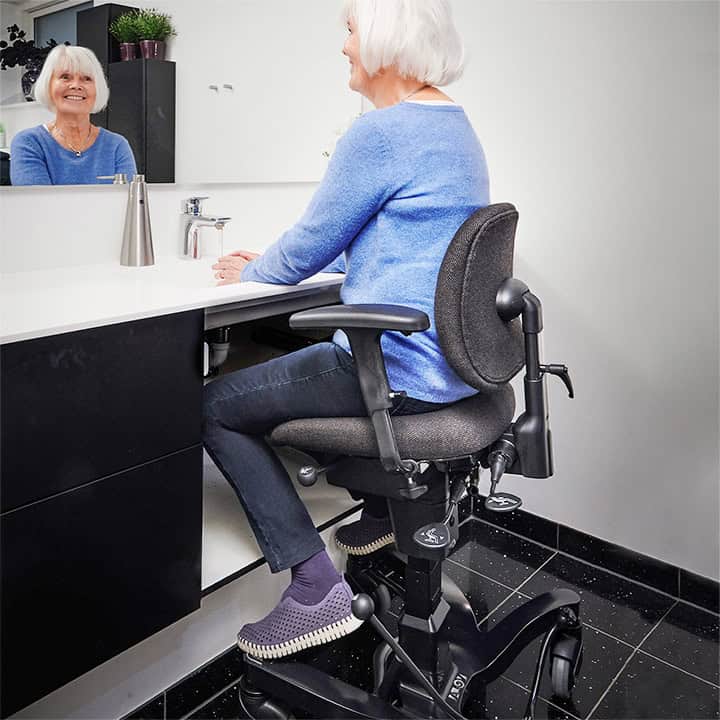
Nursing homes, while providing essential services, may not always align with the desire for independence among seniors. As people prefer aging in place, solutions like the VELA mobility chair become invaluable. The VELA Independence Chair is a medically approved mobility chair designed for use at home. It provides enhanced safety, freedom of movement while seated, and support for daily activities like cooking, dressing, or transferring — all while reducing the load on informal caregivers. This inclusion allows seniors to maintain independence longer and remain in a familiar environment.
Consider a senior using a chair designed for seniors living independently to transition safely from the living room to the kitchen, reducing fall risks and promoting independence. Features of VELA Chairs, such as lockable wheels and height adjustment, are pivotal in promoting mobility and independence, as noted by VELA Chair sources. With the integration of adjustable seating and ergonomic design, modern assistive furniture options support both comfort and daily function, aligning with the latest trends for home-based senior care.
Designing for Independence: The Future of Senior Living
In summary, “independent living floor plans” are crucial for providing an accessible and independent lifestyle for seniors. The future of senior living incorporates advanced assistive technologies—especially AI and smart home integration—alongside personalized space planning, ergonomic and inclusive infrastructure, sustainable materials, and neuroaesthetics-informed designs to enhance residents’ well-being. Architecture now prioritizes personalization through mass customization of finishes and layouts, blended care models that adapt to changing needs, and programming that supports whole-person health, including wellness, movement, cognitive engagement, and community integration.[4][6][1-new][3-new][5-new]
As highlighted in regulatory and expert discussions, the shift towards community- and home-based care is especially important for solo agers and those seeking affordable, flexible floor plan choices. Sustainable, intergenerational, and inclusive design models are becoming standard as the industry addresses the urgent need for increased inventory and housing options that support all seniors. Integrating functional, open designs with smart mobility and support solutions will continue to shape the future of independent living.[7-new][8-new]
This article aims to guide seniors and their families in understanding the importance of independent living floor plans, promoting an informed approach to selecting suitable living environments prioritizing both quality and independence.
References
- NIC – Senior Housing Demand
- SeniorLiving.org – Independent Living Costs
- Maravilla Scottsdale – Floor Plans
- NIC – Senior Housing Trends
- VELA Chairs
- VELA Chairs – Seniors Living Independently
- VELA Chair Features
- Senior Housing News Industry Forecast
- WHO.int – World Health Organization – Aging
- PubMed – Assistive Technology in Senior Living
- Healthline – Aging in Place
- Mayo Clinic – Senior Health
- Juniper Communities – Senior Living Trends in 2025
- Heisinger Bluffs – The Future of Senior Living
- Direct Supply – Senior Living Design Trends
- DosePacker – Senior Living Trends
- NAIOP – Senior Housing Needs
- McKnight’s Senior Living – Seven Trends in Senior Living
- Gensler – Trends in Senior Living Design
- Five Design Trends to Watch in 2026
- 2026 Why Minimalist Tiny Homes Are the Future of Senior Housing (YouTube)
- Senior Housing Trends to Watch in 2026
- Top 10 Well-Being Trends Shaping Senior Living in 2026
- 2026 Senior Living Design Predictions: Steve Lindsey, Garden Spot Communities
- Top Senior Living Trends for 2026
- Trends to Watch: What’s Next for the Future of Senior Living