

Updated September 2025: We have updated the article to reflect recent advances in AI-powered assistive technologies, including smart wearables, brain-computer interface prosthetics, and self-driving mobility devices. The article now covers cutting-edge developments such as immersive virtual and augmented reality for rehabilitation, multi-sensory feedback systems, and the growing integration of holistic AI personal assistants—innovations that further strengthen autonomy and support in semi-independent living.
Exploring Semi-Independent Living Options
Navigating the world of semi-independent living can be complex, promising a rewarding balance of autonomy and support. These options cater to adults with developmental disabilities and seniors who value independence yet require some daily assistance. As interest in such living arrangements grows, understanding their nuances and benefits becomes essential. According to Hebrew SeniorLife, over 20% of seniors are now seeking environments offering both independence and support.
The Balance of Autonomy and Support in Semi-Independent Living
Semi-independent living serves as a bridge between fully independent and assisted living. It provides flexibility for those who find independent living challenging due to mild physical or mental limitations. For instance, consider Mr. Thompson, an elderly gentleman transitioning because of mild mobility issues. As noted by the Minnesota Department of Human Services, such programs offer a variety of support services that empower residents while granting them control over daily activities. This environment promotes personal growth and community engagement.
Recent advancements in assistive technology now offer even greater independence for residents. Innovations such as AI-enhanced smart devices, including smart glasses with live object recognition and voice control, self-driving wheelchairs, and brain-computer interface prosthetics are expanding the ways individuals can safely and confidently participate in everyday life.
Integrated AI personal assistants further enable users to access information, navigate environments, and control smart devices through natural language, reducing reliance on external help and increasing day-to-day autonomy.
User-centered and inclusive product design now prioritizes the experiences and feedback of individuals with disabilities, contributing to customized solutions that encourage community engagement and self-determined living experiences.
Think Beyond the Chair; LetsEnvision; First Aid for the Blind.
Eligibility Criteria and Services Offered in Semi-Independent Living
Eligibility for semi-independent living generally requires individuals to be 18 or older, with conditions like developmental disabilities that might hinder total independence. According to By Your Side, typical services include:
- Assistance with daily activities, such as meal preparation and hygiene
- Financial management training
- Transportation services for maintaining community connections
Take Mrs. Roberts, a senior who maintains her community ties with regular local outings facilitated by transportation services. This social interaction enhances her quality of life. While eligibility focuses on specific needs, services aim to improve independence and life enjoyment.
In 2025, assistive services increasingly feature technology-led enhancements. Multi-sensory feedback devices such as haptic vests and vibration alert systems support independent living for people with sensory impairments, particularly DeafBlind individuals. Virtual and augmented reality platforms are now utilized in rehabilitation and training, providing immersive, adaptive environments tailored to the individual’s needs. These approaches help users develop spatial awareness and functional skills within supportive, engaging settings. Further, real-time visual interpreting services in public spaces and educational environments foster improved access and communication for semi-independent residents.
Helen Keller National Center; innocaption.com; Journal of Visual Impairment & Blindness.
Financial Aspects and Housing Choices in Semi-Independent Living
Finances often drive decisions for potential residents. Typically, semi-independent living is more affordable than assisted living, presenting a viable option for many. Cost structures often include rental fees and optional services, offering financial flexibility. Housing options range from shared apartments with specialized staff to private residences that encourage development and learning.
Consider Mr. and Mrs. Lee, a senior couple drawn to semi-independent living for its affordability and provided independence, allowing them to thrive financially and socially. As detailed by Providence Place, these communities offer cost-effective measures without compromising on quality or safety, often enriched with amenities and designed to cater to diverse care needs.
In recent years, cutting-edge assistive technology has been incorporated into residential settings, such as self-driving wheelchairs and smart home devices powered by AI. These smart assistants manage environmental controls, scheduling, and daily reminders through intuitive, conversational interfaces. This all-in-one approach supports both economic independence and quality of life by reducing reliance on staff for routine tasks while maintaining essential oversight and rapid assistance when needed.
CES.tech; LetsEnvision.
Boosting Mobility and Independence with VELA Chairs
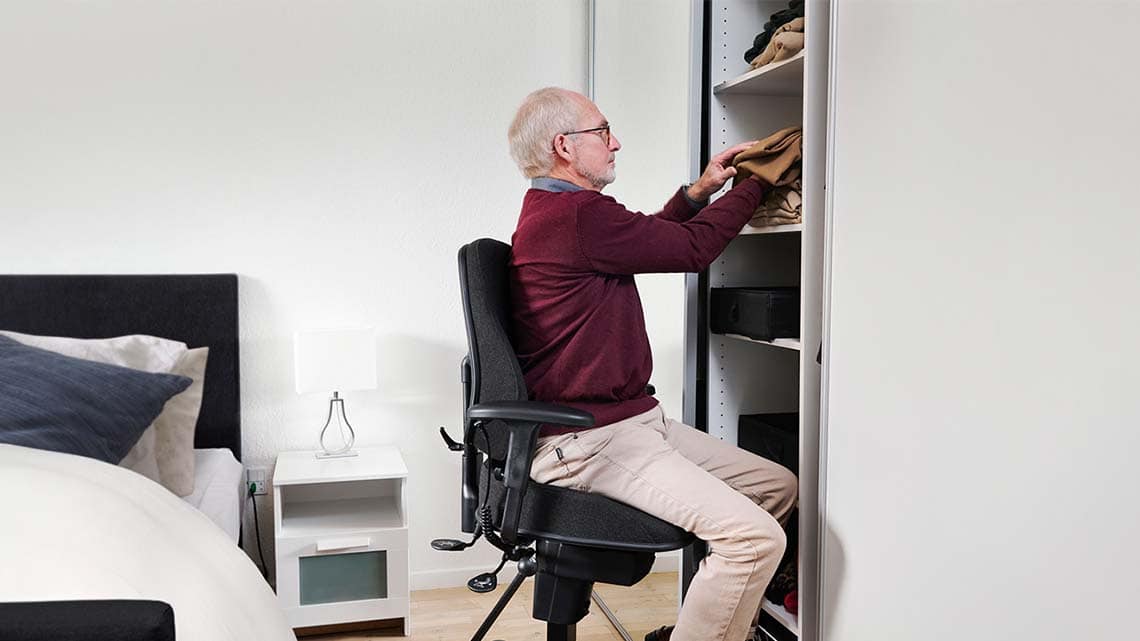
The VELA Independence Chair showcases how mobility solutions can empower individuals to remain in their homes longer, deferring the transition to nursing homes. Its features directly address common challenges mentioned, like the need for safety and ease of movement. With its central brake system, users experience greater stability — a crucial factor in fall prevention strategies for seniors. The chair’s electric height adjustability and easy movement while seated provide user-friendliness for everyday activities such as cooking or watching television comfortably. In essence, the VELA Chair enhances quality of life, offering dignity, freedom, and energy savings, compared to life without this valuable aid. Though VELA isn’t the sole solution, it’s a practical choice for those looking to support aging in place effectively.
The integration of advanced mobility aids into semi-independent living is further complemented by recent trends in user-centered design and clinical guidelines. Rehabilitation programs now employ immersive training with virtual and augmented reality for more effective adaptation and skill retention. Notably, there is a growing emphasis on including end-users in the product development process, ensuring that assistive devices meet real-world needs and preferences, which increases both adoption and positive outcomes. Clinical recommendations also point to the value of rapid-access AI feedback and real-time interaction with the environment, supporting proactive adjustments to daily routines and environments for optimal independence.
Journal of Visual Impairment & Blindness.