

Updated February 2026: We have updated the article with new findings on AI-driven remote monitoring, predictive analytics, advanced wearable devices, and proactive care models in nursing homes. The update highlights personalized AI care plans, ambient assistive technology for safety, telehealth integration, and “hospital at home” trends, showcasing the shift toward technology-enabled, individualized support for mobility and healthy aging.
Understanding Winchester’s Nursing Home Landscape
Winchester, Virginia, is a charming city well-known for its historical significance and picturesque landscapes. It also has a notable senior population, which makes up a significant portion of its 28,000–29,000 residents. This demographic reality highlights the importance of providing quality nursing home care within the community. Families seeking the best care for their loved ones must have a keen understanding of the local nursing home environment. Winchester offers various care options, including skilled nursing, memory care, rehabilitation, and assisted living, to accommodate the diverse needs of its seniors. Prominent facilities in the area, such as Winchester Health & Rehabilitation Center and Shenandoah Valley Westminster Canterbury, exemplify the high caliber of care available. According to Medicare.gov, these centers are recognized for their dedicated services and quality care metrics in the region.
Evaluating Winchester’s Top Nursing Facilities
Comparing nursing homes involves more than just assessing their ratings; it includes examining their services and user reviews. Facilities like Shenandoah Valley Westminster Canterbury stand out with their comprehensive Continuing Care Retirement Community (CCRC) services, consistently receiving a perfect 5/5 rating for their excellence in care. Winchester Health & Rehabilitation Center offers robust skilled nursing and rehab services, instrumental for seniors recovering from surgeries or illnesses. User reviews, accessible through platforms such as A Place for Mom, often provide insight into patient experiences and can guide decisions alongside official Medicare ratings. This multifaceted evaluation is crucial for helping families select a facility that aligns with their specific care needs and expectations.
Navigating the Costs and Quality of Care in Winchester
Understanding the financial implications of nursing home care is an essential aspect of planning. In Winchester, the average monthly cost is approximately $5,021, as reported by A Place for Mom. This cost aligns with state averages but remains lower than the national average reported by the Genworth Cost of Care Survey 2023, which ranges from $8,600 to $9,700 monthly for private or semi-private rooms. Additionally, occupancy rates can reflect the quality and demand; in Virginia, the required minimum is 88% to ensure sustainable operations, according to the Virginia Administrative Code. Understanding these financial details helps families prepare and choose a facility that offers the best value for their requirements.
Selecting the Best Care Option in Winchester
In many cases, nursing homes face challenges such as high costs and the necessity for increased demand, prompting families to seek alternatives that allow older adults to maintain their independence at home. The care landscape is now shaped by significant advancements in assistive technology, with AI-driven solutions and smart features offering new levels of proactive and personalized support for both residents and home-based seniors. Artificial intelligence wearables and remote monitoring systems are being widely adopted in 2026, enabling early intervention for mobility challenges and chronic conditions. These systems employ predictive analytics tailored to individual gaits and health profiles, identifying fall risks and flagging potential health concerns in advance to improve outcomes and reduce unnecessary hospitalizations (AANP, 2026; K4Connect, 2026).
Ambient assistive technologies—such as edge AI built into fixtures and devices—now offer privacy-preserving safety features. Examples include auto-shutting stoves, adaptive lighting for fall prevention, non-invasive sensors embedded in bathroom fixtures, and smart toilet seats that support early disease detection. These tools help create safer environments both in nursing homes and at home, shifting care from a reactive approach to a preventive, real-time model while addressing staff shortages and supporting independence (K4Connect, 2026; Provider Magazine, 2026; McKnight’s Home Care, 2026).
Robotic companions and cognitive support devices showcased at CES 2026 also illustrate how AI is improving resident engagement, reducing loneliness, and supporting individuals with mobility or cognitive impairments. Smart home ecosystems are more fully integrated, using adaptive voice assistants, remote monitoring, and automated safety measures designed around the needs and behaviors of older adults (K4Connect, 2026; Advanced Nursing Care, 2026).
Telehealth integration has become standard in both nursing homes and private residences, providing virtual consultations, chronic disease management, wound and IV care, and continuous oversight without requiring off-site visits. This shift supports the “hospital at home” model and extends specialized medical care to those who wish to age in place while maintaining a high quality of care (AANP, 2026; Advanced Nursing Care, 2026).
Facility designs continue to emphasize ergonomics and inclusive product development, with a growing focus on digital security and responsible AI use to protect sensitive health information. Nursing homes are increasingly expected to utilize FDA-approved digital tools and abide by high standards for data privacy, aligning with ethical guidelines for modern long-term care (Provider Magazine, 2026; Medtronic, 2026).
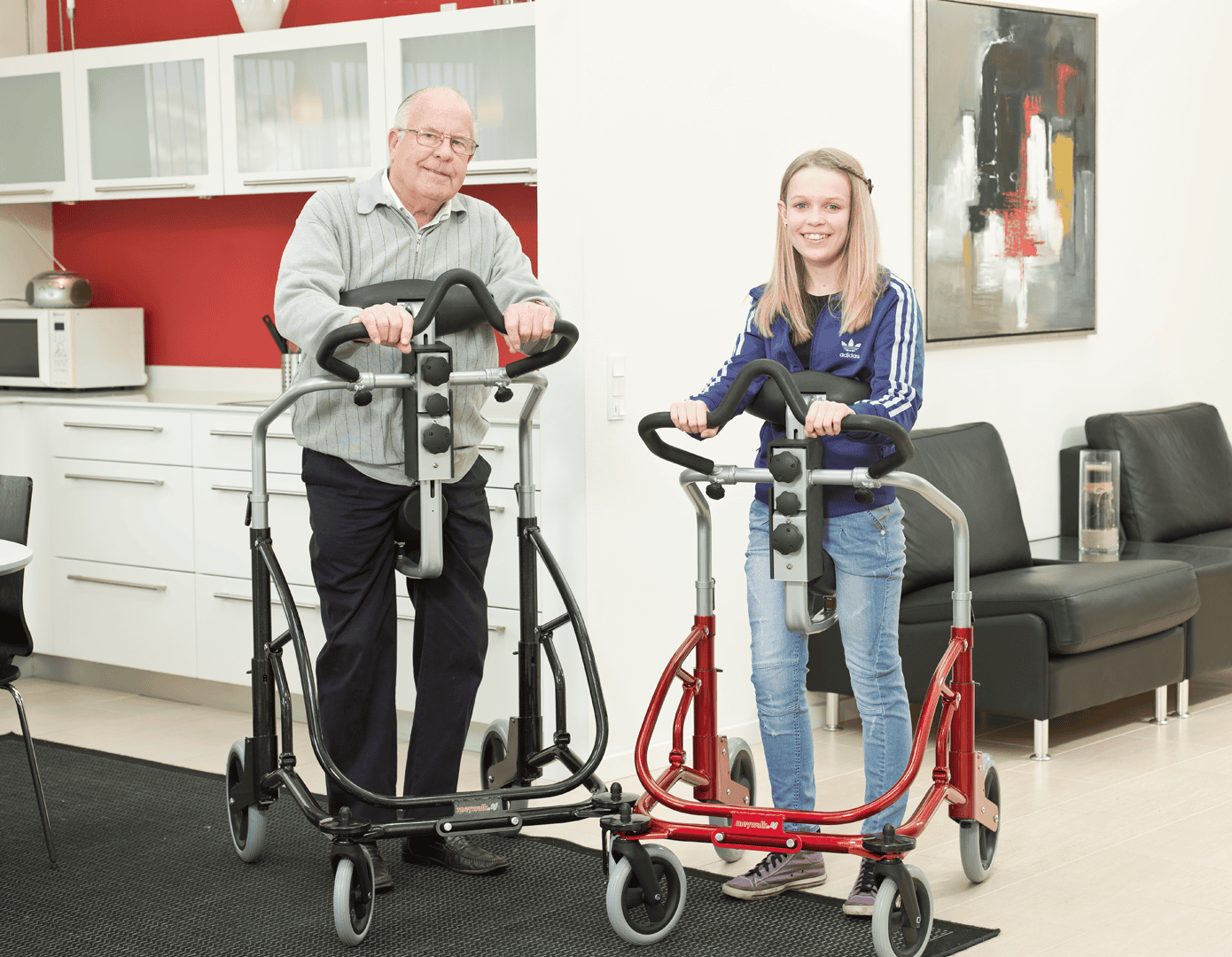
One valuable home-based option remains the VELA Independence Chair, a medically approved mobility chair designed to enhance safety and freedom of movement within the home. It assists with daily activities like cooking, dressing, or transferring, while also reducing the physical demands on family caregivers. This type of adaptive device might enable seniors to remain in their homes longer, offering dignity and autonomy as their needs evolve. Regulations and new policies, such as enabling technology benefits in Medicaid managed care, make it easier for families to access these advanced, personalized devices, improving quality of life while addressing ethical and accessibility considerations (UnitedHealthcare Community & State, 2025).
In summary, Winchester’s nursing homes provide diverse, high-quality care options to meet the needs of its senior population. Facilities now integrate advanced digital and assistive technologies, including AI-powered predictive analytics, remote and ambient monitoring, and personalized smart mobility aids, all of which foster resident safety, proactive health management, and independence. Alternative solutions like VELA chairs, telehealth, and home-based AI innovations continue to give families more comprehensive and inclusive options for supporting their loved ones.
Supporting Aging in Place: A Practical Option
Leveraging modern mobility solutions such as the VELA Independence Chair and other advanced assistive technologies plays a pivotal role in allowing seniors to remain independent at home. In 2026, mobility aids often incorporate AI-driven features like personalized fall detection based on gait, smart sensors, adaptive lighting, and remote monitoring for early intervention. Wearable health and safety monitors deliver real-time updates and alerts, while ambient edge AI devices offer privacy-preserving safety by monitoring for hazards or changes in habitual patterns. These systems amplify safety and quality of life, helping delay transition to long-term institutional care and mitigating risks associated with living alone (McKnight’s Home Care, 2026).
Furthermore, telehealth and “hospital at home” programs continue to expand, providing IV, wound care, and specialist consultations within the home environment. These offerings, along with AI-enabled cognitive and robotic support devices, promote not only physical but also social and mental well-being. Digital literacy, privacy, and accessibility remain central priorities as more families and providers embrace technology-driven solutions (AANP, 2026; K4Connect, 2026).
The broad adoption of AI-powered and digitally enabled environments in both nursing homes and private residences demonstrates the ongoing trend toward safer, more engaging, and truly personalized care for older adults. These technological advances reinforce the values of dignity, freedom, and safety, offering families greater peace of mind and empowering seniors to age with independence and confidence.
References
- AANP (2026). Top Five Health Care Trends for 2026: How New Technology is Transforming Patient Care
- K4Connect (2026). The Future of Senior Living Arrived at CES 2026
- Advanced Nursing Care (2026). Elder Care in 2026: Trends to Watch
- Provider Magazine (2026). Long-Term Care 2026: Trends and Outlook
- Medtronic (2026). 6 Healthcare Tech Trends for 2026
- McKnight’s Home Care (2026). Assistive Aging Technology Trends to Watch in 2026
- ButterflyMX (2025). Senior Living Technology Trends 2025: Shaping the Future of Care
- Heisinger Bluffs (2025). The Future of Senior Living: Trends to Watch in 2025
- Everything Medical Online (2025). The Latest Trends in Mobility Aid Technology for 2025
- UnitedHealthcare Community & State (2025). How enabling technology is transforming home-based care
- iHealthcareAnalyst (2025). Geriatric Assistive Devices Market: Trends, Technologies & Outlook
- Let’s Envision (2025). The Future of Assistive Technology & AI Assistants
- PMC National Institutes of Health (2025). Integrating AI and Assistive Technologies in Healthcare
- Meyland-Smith.com News (2025). 2025 Nursing Home Trends: Key Challenges and Innovations