

Updated September 2025: We have updated the article to include recent advances in AI-powered mobility aids, wearable sensor monitoring, universal design trends, digital and virtual reality-based rehabilitation, as well as new regulatory standards and quality metrics for nursing homes. Glenhaven’s adoption of these innovations and their impact on care quality, independence, and regulatory compliance are now reflected.
Understanding Glenhaven Nursing Homes Across the U.S.
When researching “Glenhaven Nursing Home,” it’s essential to recognize that this term represents multiple individual facilities across the U.S., each with distinctive services and qualities. Prominent among these are Glenhaven Healthcare in Glendale, California, Glenhaven Retirement Village in Chickasha, Oklahoma, and Glen Haven Home in Glenwood, Iowa. Understanding these facilities’ unique characteristics is crucial in gathering accurate information tailored to specific needs.
Glenhaven Healthcare: A Comprehensive Review of the Glendale, CA Facility
Glenhaven Healthcare in Glendale, CA, operates as a licensed Skilled Nursing Facility. According to the California Department of Health Care Access and Information, the facility boasts 52 certified beds and serves approximately 44 residents daily. The ownership structure consists of a for-profit LLC, with Benjamin and Matthew Karp holding equal stakes according to ProPublica.
Staffing at Glenhaven Healthcare is noteworthy, with 4.58 nurse hours per resident per day, exceeding the California state average of 4.4 hours as reported by ProPublica. However, recent inspections highlighted issues such as pressure ulcer care and dietary concerns, prompting improvements and corrective measures by the facility according to Medicare.gov. As of July 2025, Glenhaven Healthcare has also demonstrated compliance with new regulations emphasizing assistive technology adoption, staff training, and accessibility standards, which are now required by updated Medicare and EU-influenced guidelines see Medicare.gov July 2025 WHO.
Analyzing Staffing and Quality Across Glenhaven Nursing Homes
Staffing levels and quality metrics are vital indicators of care standards in nursing facilities. Glenhaven Healthcare’s elevated staffing level positively correlates with enhanced care quality. This staffing commitment ensures residents receive personalized attention, contributing significantly to their well-being. The facility’s adoption of advanced assistive technologies, such as AI-powered mobility aids and real-time wearable sensor monitoring, now supports staff and residents by promoting independence, safety, and tailored rehabilitation strategies PubMed, 2025 Mayo Clinic.
Variations are evident when comparing Glenhaven locations. For instance, while the Glendale facility excels in staffing and technology integration, Glen Haven Home in Iowa demonstrates strengths in resident mobility but faces challenges in rehospitalization rates according to Elder Guide. The introduction of universal design principles and modular, adaptive rehabilitation tools are part of ongoing upgrades responding to new regulatory requirements and resident needs Harvard.
Specialized Care at Glenhaven: Programs and Services Overview
Specialized services notably enhance resident well-being at Glenhaven Nursing Homes. Glenhaven Healthcare provides skilled nursing, and Glen Haven Home offers memory care and rehabilitation services as noted by Elder Guide. As of 2025, these facilities are increasingly utilizing multidisciplinary approaches in rehabilitation, including digital tools, virtual reality therapies, and tele-rehabilitation to enhance engagement and effectiveness, in line with updated clinical guidelines Mayo Clinic PubMed, 2025. These specialized care offerings allow families to make informed decisions tailored to their specific needs, highlighting the importance of new technology-supported services in improving residents’ quality of life.
Maximizing Quality of Life for Aging Loved Ones
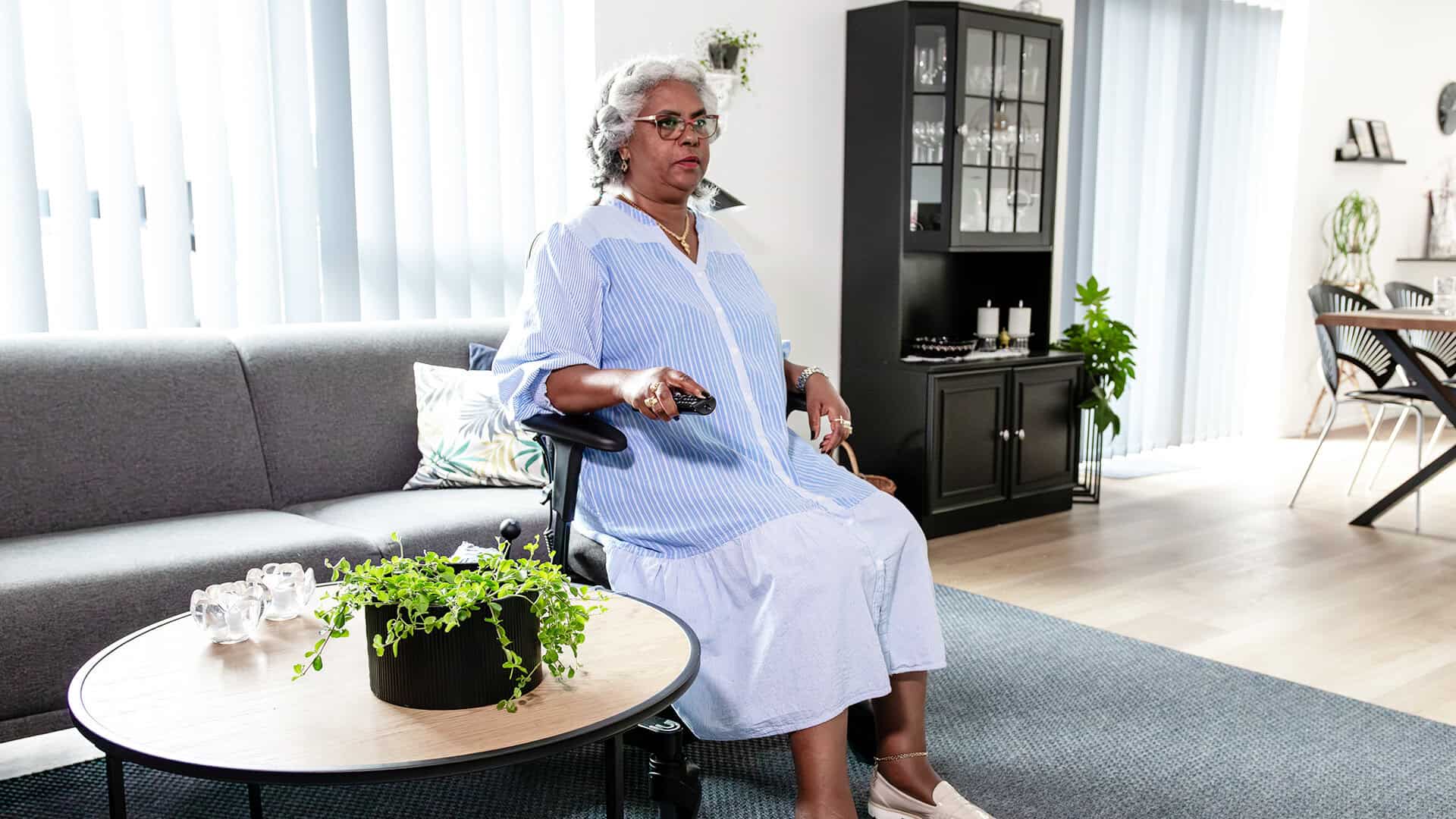
While nursing homes like Glenhaven are crucial for elder care, many families are turning to alternatives that enable loved ones to age comfortably at home. Mobility aids such as VELA chairs can greatly help maintain independence. Recent innovations in AI-powered mobility solutions and universal ergonomic design have made these supports more adaptive and inclusive for diverse physical abilities Harvard. These devices not only support mobility but also help prevent falls, potentially delaying or reducing the need for full-time nursing home care. Transitioning to home settings with the assistance of VELA Chairs, which are medically approved, offers enhanced safety and freedom of movement while seated. These chairs support everyday activities like cooking, dressing, or transferring, easing the physical demands on caregivers and contributing to the overall comfort and autonomy of aging adults.
Supporting Aging in Place: A Practical Option
VELA Chairs provide a viable alternative for older adults wishing to remain independent at home. They offer features that directly tackle challenges faced by seniors, such as preventing falls, which are a leading concern in elder care environments according to Safety Measures for Nursing Home Residents. The central brake feature enhances safety, while electric height adjustability allows for easy sitting and standing. The ergonomic design facilitates movement while seated, conserving the user’s energy. New wearable sensor technologies now offered with certain mobility aids also provide real-time monitoring of gait and balance, which helps personalize rehabilitation and supports timely intervention PubMed, 2025. With these benefits, everyday activities, from cooking to relaxing, become more manageable, promoting dignity and freedom. Although VELA is not the only solution for supporting aging in place, it is a proven and practical tool, enabling individuals to maintain their lifestyle and potentially delay the transition to a nursing home.