

Updated January 2026: We have updated the article to reflect major regulatory changes, including the repeal of federal minimum staffing requirements for nursing homes such as Lytle Nursing Home, effective February 2026. The article now highlights how this may affect care standards, explains the facility’s continued obligation to assess and match staff levels to resident needs, and references the latest Medicare ratings and recent quality monitoring specific to Lytle Nursing Home. New authoritative sources addressing these developments have been added.
Introduction
If you’re researching “Lytle Nursing Home,” located at 15366 Oak St in Atascosa County, Lytle, TX, you may be evaluating its community role and care offerings. According to Medicare.gov, Lytle Nursing Home, a Medicare-certified facility with 70 beds, has an overall Medicare rating of 1 out of 5. This suggests significant room for improvement in certain areas of care. Monthly costs, as stated by FamilyAssets, range between $2,680 and $5,536 depending on care needs.
Overview of Lytle Nursing Home and the Lytle, TX Community
Lytle, TX is known for its vibrant, albeit small, community ambiance. With a median age of 38.9 and a median household income of about $61,678, the town’s population primarily identifies as 65.5% Hispanic and 30.8% White non-Hispanic according to Data USA. Within this context, Lytle Nursing Home is a critical care provider for the elderly population, accepting both Medicare and Medicaid. While fundamental to community life, the facility’s rating highlights areas for potential development.
Key Features, Staffing, and Resident Life at Lytle Nursing Home
The lifestyle at Lytle Nursing Home is designed to be engaging and enriching, with amenities like an arts room, fitness center, library, Wi-Fi, and cable TV, fostering community and recreation. However, according to Seniorly, nursing staff spend an average of 1.4 hours per resident daily, which could suggest a need for improved staffing levels for enhanced personal care. Comprehensive special services include 12–16 hours of nursing and a 24-hour emergency system, with personal anecdotes often praising the facility’s dedication to individual care.
Recent advancements in assistive technology are increasingly being adopted in progressive nursing care environments. Facilities now focus on comprehensive fall prevention using advanced patient handling equipment, smart beds with built-in monitoring, and non-slip flooring. Ongoing staff training is considered essential for effective use of these technologies to maximize resident safety and injury prevention. Lisclare In addition, AI-powered mobility aids such as smart walkers and exoskeletons can adapt to an individual’s gait and stability, further enhancing independence for residents. Facilities are also integrating IoT-enabled assistive devices with real-time monitoring and automated alerts for falls or changes in activity, improving both caregiver response and resident safety. Voice-activated and smart home solutions designed for residents with reduced mobility are now more common, supporting both daily living and communication. PubMed Mayo Clinic WHO MedlinePlus RESNA
Design improvements in nursing homes now emphasize inclusive and ergonomic environments, with furniture and space layouts tailored to reduce fall risk and support comfort for residents with diverse needs. Rehabilitation practices are evolving to adopt AI-assisted personalized care plans and integrate telehealth, which enhance recovery outcomes and make specialist care more accessible to residents. Facilities are increasingly using wellness-based designs with natural light, green spaces, and exercise areas as standard features. In behavioral management, the emphasis has shifted toward personalized, non-drug interventions such as music therapy and individually tailored activities, supporting both cognitive and emotional well-being. Shepherd Premier Senior Living Justice In Aging Journal of Geriatric Physical Therapy
It is important to note that recent inspection reports, such as those published in May 2024, have identified safety deficiencies at Lytle Nursing Home, including failure to provide proper treatment in accordance with care plans. These findings highlight the need for the adoption of modern care standards, technologies, and staff training to address safety and quality shortfalls. ProPublica
As of January 2026, federal minimum nurse staffing requirements for nursing homes, including those in Texas such as Lytle Nursing Home, have been repealed by the Centers for Medicare & Medicaid Services (CMS), effective February 2, 2026. This policy change eliminates the mandates that previously required 3.48 total nursing care hours per resident day, dedicated registered nurse coverage, and 24/7 onsite RN availability. Facility assessment requirements, however, remain in place, ensuring that facilities evaluate and align staffing levels with resident needs. These changes are particularly relevant to rural communities like Lytle, TX, where workforce shortages are documented. Ongoing quality monitoring and facility Medicare ratings continue, providing transparency into local standards of care, but there is increased attention to how facilities will maintain resident safety and quality under the new staffing flexibility. AHA NACo Medicare Advocacy Medicare Rights Center Medicare.gov
Cost, Ratings, and How Lytle Nursing Home Compares Locally
When considering costs reported by FamilyAssets, it’s important to assess what each pricing tier includes, such as coverage of basic care necessities versus additional services. The CMS star rating of 1/5, placing the facility in the bottom 20% of Texas nursing homes, affects its perceived quality and reputation. Prospective residents should compare these factors, weighing local alternatives in Atascosa, Medina, and nearby counties. The average local cost of $3,915 provides a benchmark to evaluate the facility’s pricing strategy.
Texas regulatory changes effective September 2025 have increased overall nursing facility rates, but discontinued previous direct care rate enhancements in favor of a new annual Patient Care Expense Ratio. This aims to ensure more effective allocation of funding within facilities and may impact the availability of resources and investment in care improvements or new technologies. Facilities are required to adapt their budgets and care models to comply with these new guidelines. Texas Health and Human Services Commission
Federal policy changes now allow more flexibility in staff scheduling and composition for nursing homes, removing the fixed requirements that previously governed staffing levels and registered nurse coverage. However, facilities must still conduct detailed assessments to demonstrate that their staffing levels appropriately meet the needs of current residents. Families and prospective residents should pay particular attention to how each facility is adjusting to these shifts and whether new approaches or technologies are being used to maintain care quality and safety.AHA NACo Medicare Advocacy Medicare Rights Center
Federal and state guidance now stress routine auditing of assistive devices for safety and efficacy, comprehensive fall prevention, and strong infection control for shared mobility aids. Enhanced staff training and ongoing integration of technology are critical to maintain quality in line with modern standards and regulatory expectations. Lisclare RESNA
Choosing a Senior Care Solution: Nursing Homes vs Alternatives
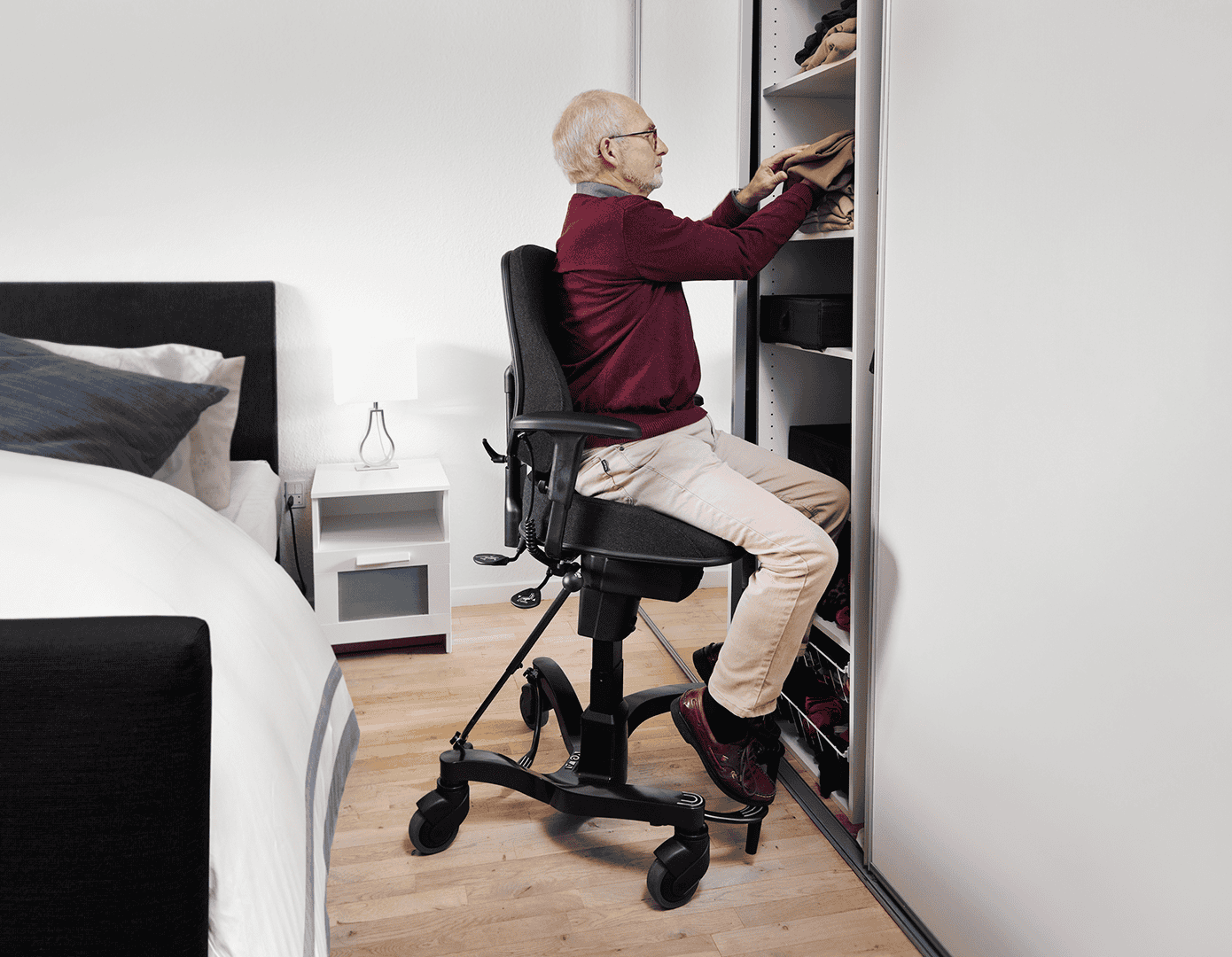
Families exploring senior care should consider the broad spectrum of options, including nursing homes and in-home care. While nursing homes provide essential services, their challenges, such as high costs and rating deficiencies, highlight the importance of alternative solutions for maintaining independence. One promising option for seniors wishing to stay at home longer is using adaptive equipment like Mobility Chairs for Independent Living. VELA chairs, for instance, are medically approved mobility chairs crafted for home use, offering enhanced safety, freedom of movement while seated, and support in daily activities like cooking, dressing, or transferring, all while alleviating caregiver burdens.
Recent expert consensus highlights the importance of multidisciplinary teams—which may include occupational therapists, engineers, and IT specialists—in customizing and implementing assistive technology within senior care environments. Additionally, modern approaches increasingly emphasize non-pharmaceutical, person-centered behavioral interventions and individualized activity planning to optimize quality-of-life for seniors. While adaptive technologies consistently score high on user satisfaction and autonomy, facilities and families should consider accessibility, cost, staff training, and infrastructure readiness when selecting or recommending such solutions. RESNA Justice In Aging
Conclusion and Recommendations
Lytle Nursing Home plays a pivotal role in the local community, providing extensive services despite its current Medicare rating challenges and recent quality and safety deficiencies. The recent repeal of federal minimum staffing requirements introduces greater flexibility for how the facility organizes its workforce but also places increased responsibility on local leadership to ensure resident needs are met safely. Families must conduct thorough evaluations of both nursing home offerings and innovative alternatives like VELA chairs to make informed care decisions. Financial analysis and a deep understanding of personal care needs are essential in choosing the best fit for loved ones, ensuring a blend of traditional facilities and home-based solutions are considered.
Given regulatory and funding updates, as well as new technological standards, it is crucial for nursing homes to prioritize ongoing staff education, regular review of assistive and rehabilitation devices, and full adoption of person-centered care strategies. Monitoring safety outcomes, addressing identified deficiencies, and continuously investing in modern solutions will be essential to improving resident well-being and facility quality. Lisclare Shepherd Premier Senior Living Justice In Aging ProPublica
Supporting Aging in Place: A Practical Option
As families consider options beyond nursing homes, practical solutions like VELA Chairs offer a lifeline for maintaining independence safely at home. These mobility chairs feature a central brake for stability, electric height adjustability for effortless transfers, and ease of movement while seated, directly addressing concerns like fall prevention and mobility. By facilitating everyday activities such as cooking and relaxing, VELA Chairs help to conserve energy and enhance the quality of life, potentially postponing the need for nursing home care. While other solutions exist, VELA provides a proven and practical approach to supporting dignity and autonomy for seniors aiming to age in place safely.