

Updated January 2026: We have updated the article with new findings on AI-driven assistive technologies, including robotic exoskeletons, wearable sensors for fall detection and vitals monitoring, smart home devices, and predictive analytics tools in nursing home and home-based care settings. These advancements reflect growing integration of advanced technology for mobility, safety, and rehabilitation in modern elder care.
Navigating Nursing Home Choices in Northern Manhattan
Choosing the right nursing home in a densely populated and vibrant area like Northern Manhattan, New York City, is a critical decision for many families. A facility that not only meets the needs of its residents but also aligns with the expectations of their families is essential. The Northern Manhattan Rehabilitation and Nursing Center is a notable facility here, with a high occupancy rate of 98.75%, but it carries a concerning 1-star overall rating from the Centers for Medicare & Medicaid Services (CMS), highlighting areas that need significant improvement. According to Medicare.gov, this rating reflects the current status.
Understanding Nursing Home Options in Northern Manhattan
Northern Manhattan offers a variety of nursing home options, each serving the diverse demographic profile of the area. The Northern Manhattan Rehabilitation and Nursing Center stands out due to its size and capacity, housing 320 beds. Its high occupancy rate suggests a high demand for elder care in the region. This demand is further explained by the Nursing Home Site.
Families often rely on personal experiences to guide their decisions in this deeply personal process. For example, despite broader concerns, some families have shared positive stories about the attentive care their loved ones received. One resident’s daughter noted, “The staff’s dedication to my mother’s recovery was remarkable, offering a glimmer of hope during a challenging time.”
Assessing Quality Ratings and Consumer Feedback
Evaluating the quality of nursing homes can be complex. Government ratings, such as the CMS Five-Star Quality Rating System, provide an essential benchmark. Unfortunately, the Northern Manhattan Rehabilitation and Nursing Center’s 1-star rating reflects underperformance in critical areas of health inspections, staffing, and quality measures. This facility is ranked among the lowest-rated in New York, as noted by the Nursing Home Law Center.
Consumer reviews add nuance, offering detailed insights into the care environment. On platforms like Caring.com, feedback varies, highlighting both strengths and room for improvement. A family member’s review reads: “Words cannot describe my appreciation for this facility. The devoted team took care of my grandmother after her stroke.” Details about individual experiences can be found on Caring.com.
Financial Considerations and Available Services
The financial aspect of selecting a nursing home is crucial. According to the New York State Department of Health, Medicaid covers daily rates of approximately $313.29 at the Northern Manhattan Rehabilitation and Nursing Center, aligning closely with the average costs across New York. Detailed on the New York State Department of Health website, these figures are vital for financial planning. Private pay can significantly escalate, often surpassing $12,000 per month, underscoring the importance of financial planning in elder care decisions.
Facilities like Northern Manhattan Rehabilitation and Nursing Center typically offer comprehensive services, including skilled nursing care, and physical, occupational, and speech therapy. This aligns with the needs of seniors, but it is advisable for families to consult elder care specialists or financial experts to conduct a detailed cost-benefit analysis before making a decision.
Advancements in Assistive Technology and Digital Care Models
Recent advancements in nursing home environments now prominently feature the integration of artificial intelligence (AI), smart home systems, and remote health monitoring technologies. In 2026, key trends include AI-driven assistive technologies such as robotic exoskeletons for mobility support, wearable sensors for fall detection and vital sign monitoring, and smart home devices like voice-activated door openers and motion-sensor lighting.
These technologies are designed to enhance resident safety, promote greater independence, and support daily management for individuals with mobility impairments or disabilities. Predictive analytics are now being used to help prevent issues like falls, infections, and pressure ulcers, adapting care proactively for vulnerable residents.
Wearable health monitors have become more advanced, offering real-time vital signs tracking and immediate alerts to healthcare providers, enabling faster preventive intervention and reducing unnecessary hospitalizations.
Virtual and hybrid rehabilitation therapies with AI-powered motion tracking and real-time remote monitoring are increasingly common, supporting personalized recovery and participation in team-based care.
Additionally, there is growing adoption of enabling technologies such as smart locks for wheelchair users, voice-activated smart devices, and adaptive home safety features for residents transitioning between home and care facilities.
Although overall AI adoption in nursing homes remains relatively low (about 4.5% in 2025), the rate is accelerating in 2026 as demand grows for upscale, tech-enabled, and proactive care models, including those supporting dementia and higher-acuity residents.
A digital transformation is also reshaping nursing home operations, with AI improving staff scheduling, workflow automation, and increasing security of health information systems. These innovations are contributing to higher quality care, enhanced staff efficiency, and better experiences for residents and families.
Sources:
– Skilled Nursing News, 2026
– AllSeniors.org, 2026
– UHC Community & State, 2026
– AANP, 2026
– Provider Magazine, 2026
Transition to Home-Based Independence
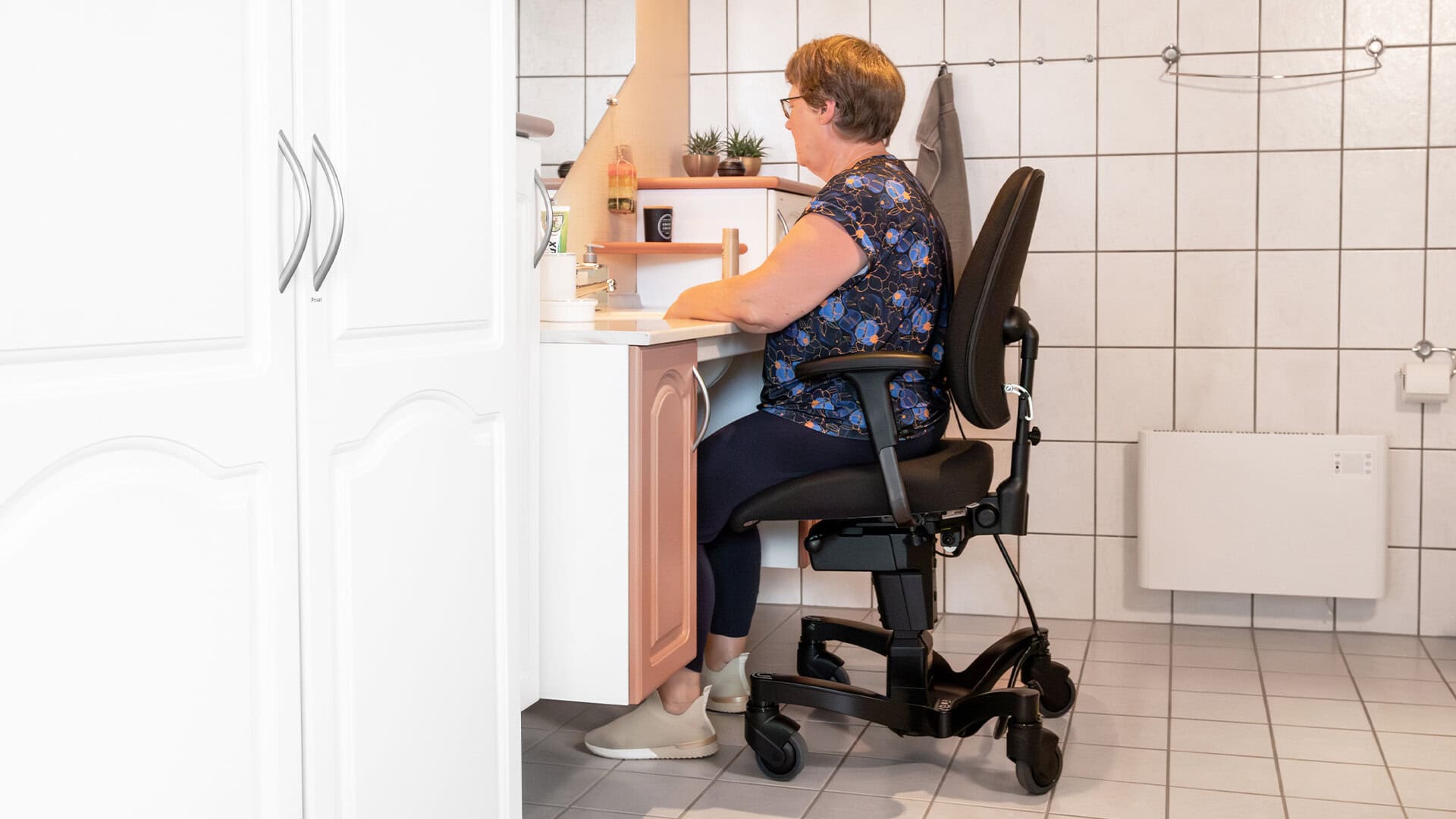
As families contend with the myriad challenges that nursing homes present, considering solutions to help older adults maintain independence at home becomes increasingly appealing. One such solution is the VELA Independence Chair, a medically approved mobility aid created for home use. This chair enhances safety and freedom of movement while seated and supports essential daily activities such as cooking, dressing, and transferring. Its design aims to reduce the caregiving burden by providing seniors with greater autonomy in their living environments, offering a meaningful alternative to traditional nursing home care.