

Updated September 2025: We have updated the article to reflect the latest advances in assistive technology for seniors, including AI-powered devices, wearable health monitors, smart home automation, connected care ecosystems, and emerging trends in rehabilitation and personalized support for independent living.
The Path Forward: Thriving in Independent Living
As the global population ages, maintaining autonomy and quality of life for seniors is increasingly important. Independent living systems address this need effectively by offering a comprehensive approach that integrates housing, community engagement, and minimal support services. According to the National Institute on Aging, “Independent living offers active seniors housing and community with minimal support, emphasizing social connection and safety.”
Understanding Independent Living Systems: A Path to Autonomy
Independent living systems are specifically designed for seniors who seek to maintain their independence in a community that provides essential amenities and encourages social connections. Typically catering to seniors aged 55 and over, these communities target individuals who are financially stable and in good health. They provide an environment where seniors can flourish by reducing isolation and enhancing their social interactions. For example, moving from a large home to a community-focused independent living apartment significantly reduces isolation by offering numerous socialization opportunities.
Essential Services and Amenities: Making the Most of Independent Living
Independent living communities offer various services and amenities to support a maintenance-free lifestyle, such as meals, transportation, security, housekeeping, and community activities. These communities strive to make residents’ day-to-day lives seamless, so they can enjoy activities without the burden of household chores. According to Elderwood, the goal is to facilitate independence while providing a comfortable environment. Ms. Johnson, a resident, appreciates the on-site activities and dining services that alleviate the stress of daily meal preparation.
Financial Planning for Independent Living: Costs and Considerations
Choosing an independent living community involves thoughtful financial planning. Monthly rates typically range from $1,800 to $4,500, with entrance fees between $50,000 and $200,000. These costs often vary based on community location and luxury level. It’s crucial for potential residents to have a strategic financial plan. As noted by Medicare.gov, while Medicare does not cover these costs, some supportive services may be available within such communities. A couple we spoke to detailed their budgeting strategy for their move, considering both immediate expenses and long-term commitments.
Embracing Technology: Innovations Enhancing Independent Living
Technological advances significantly enhance seniors’ independence and safety in independent living systems. Recent developments offer a wide spectrum of solutions, including advanced wearable health monitors, smart home automation, robotics, and AI-powered assistive devices CycesChannel Point VillageTheGoodLifeSV. Smartwatches and fitness trackers now feature sensors for heart rate, fall detection, sleep analysis, and real-time health monitoring, offering seniors personalized coaching and timely medical alerts SeniorsBlueBook. Devices connected via IoT facilitate continuous health data transmission, enabling caregivers to proactively support seniors with tailored interventions iHealthcareAnalyst.
AI-powered systems now play a central role, from autonomous navigation in wheelchairs to intelligent voice assistants and cognitive aids for memory and therapeutic support LetsEnvision. Automated smart home devices including lights, thermostats, and security systems are increasingly integrated to improve convenience and safety for individuals with mobility and cognitive challenges Channel Point Village.
In addition, innovations in biomaterials, wearable robotics, and custom 3D-printed aids provide improved comfort and tailored support, amplifying seniors’ ability to thrive independently iHealthcareAnalyst.
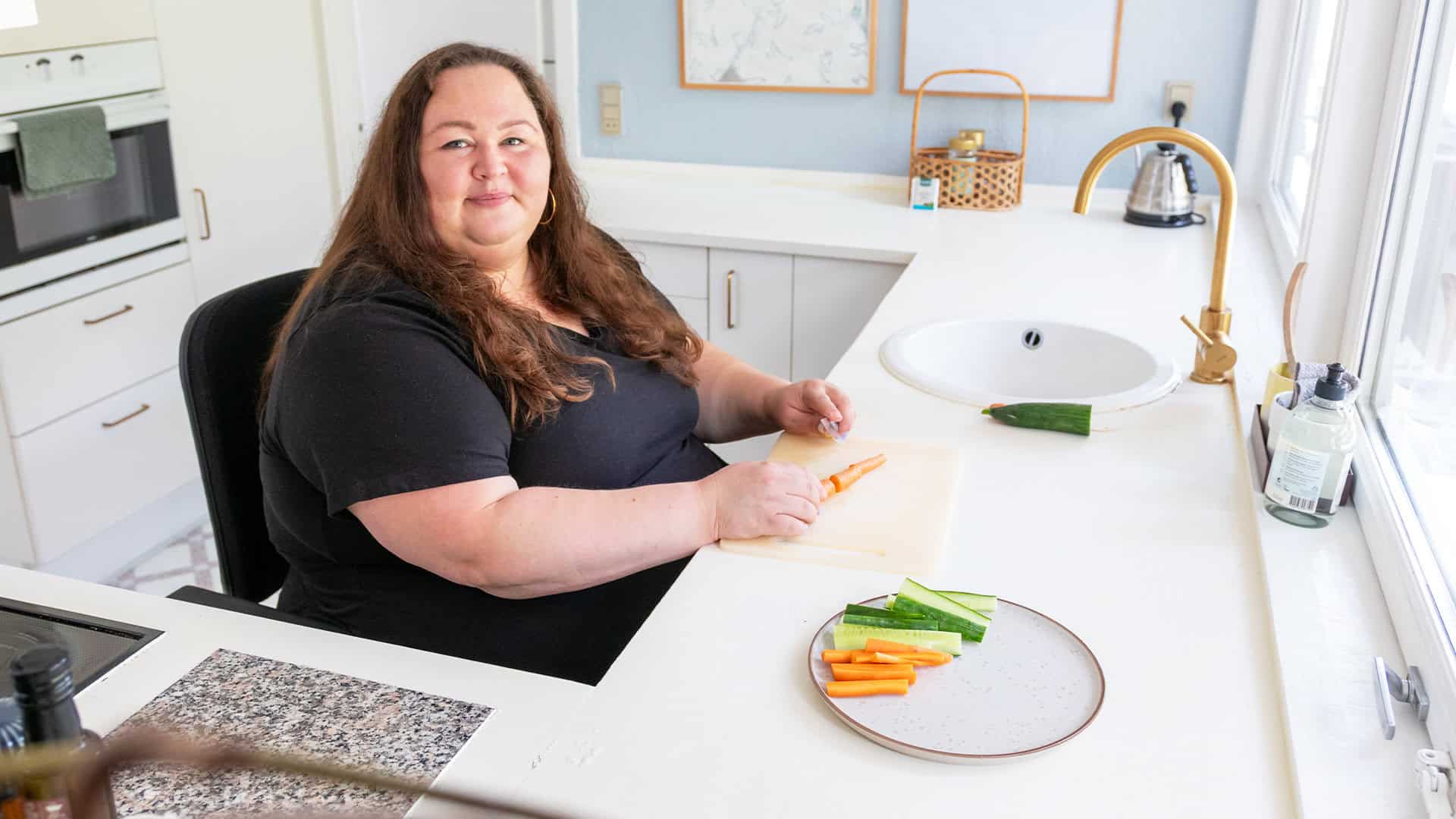
As seniors consider the transition from nursing homes to a more independent lifestyle, mobility solutions tailored for home use become increasingly vital. Among these, the VELA chair stands out as an effective solution, allowing seniors to inhabit their space safely and independently. The chair is a medically approved mobility device designed for home use, offering stability, freedom of movement while seated, and essential support for daily activities like cooking, dressing, or moving from one area to another. This innovation not only bolsters senior safety but also alleviates the responsibilities of informal caregivers, enhancing overall life quality for aging individuals.
The Path Forward: Thriving in Independent Living
Independent living systems provide seniors with autonomy, dignity, and engagement, representing more than just a place to live but a holistic lifestyle that values consistent involvement and autonomy. According to the Center for Independent Living, implementing supportive technologies and community resources ensures seniors can thrive at home or in residential communities. By embracing this philosophy and adopting advanced technologies such as AI-integrated assistive devices, smart home automation, and health monitoring wearables, seniors can benefit from a modern, person-centered approach to independent living CycesSeniorsBlueBook. This ensures a future that prioritizes independence, safety, and overall quality of life.
In conclusion, independent living systems are committed to facilitating autonomy and enriching seniors’ lives. By thoughtfully integrating conveniences and innovations like the VELA Independence Chair as well as connected care ecosystems and new AI-powered supports, these systems offer a sustainable, fulfilling lifestyle that allows seniors to flourish in their later years.
Supporting Aging in Place: A Practical Option
How can we ensure seniors live independently while remaining safe and comfortable at home? Mobility solutions, like the VELA Independence Chair, offer practical advantages for those seeking to delay the move to a nursing home. The chair’s central brake ensures safety during transitions, while its electric height adjustability caters to diverse needs, reducing fatigue in everyday activities like preparing meals or reaching shelves. The ease of movement while seated provides seniors with dignity and freedom, allowing them to remain energetic throughout the day. By addressing safety and mobility, VELA chairs offer a meaningful way to enhance self-reliance at home for seniors who value their independence. While not the sole solution, these mobility aids represent a vital part of a comprehensive strategy to support aging in place, ensuring seniors retain their quality of life and autonomy for as long as possible.
- Cyces: AgeTech Trends 2025: AI, Robotics & the Future of Aging (2025)
- Channel Point Village: How assistive technologies are shaping senior care in 2025 (2025)
- TheGoodLifeSV: 2025 AgeTech Showcases the Latest Technology for Seniors (2025)
- LetsEnvision: The Future of Assistive Technology & AI Assistants (2025)
- iHealthcareAnalyst: Geriatric Assistive Devices Market: Trends, Technologies & Outlook (2025)
- SeniorsBlueBook: A Guide to Useful Technology for Older Adults in 2025 (2025)