

Updated January 2026: We have updated the article with the latest advancements in AI-integrated, sensor-enhanced, and IoT-connected mobility aids, including real-time fall detection, voice-activated controls, predictive health monitoring, telehealth-compatible equipment, and personalized assistive technology for seniors. The article now reflects trends such as compact, foldable mobility devices, powered exoskeletons, and smart home safety solutions, emphasizing proactive and independent living for Hamilton’s older adults.
Empowering Seniors in Hamilton: A Path to Independent Living
Hamilton’s aging demographic is shaping the need for tailored senior-centric independent living solutions. As the senior population, recently recorded at 98,575 residents aged 65 and over according to Statistics Canada, continues to grow, so does the demand for housing accommodating various needs. This article delves into the complexities of independent living options in Hamilton, financial planning for seniors, and guidance on transitioning towards independent living, supplemented with expert insights and practical advice.
Navigating Senior Housing Options in Hamilton
Understanding Key Differences: Independent living allows seniors minimal assistance, emphasizing autonomy with community-enhanced amenities, whereas assisted living entails a higher degree of personal care and support.
Hamilton offers diverse independent living options—from urban apartments to suburban communities tailored to individual lifestyle needs. Through real-world examples, like Richard, a local senior who chose a community-focused environment for its social activities and personal space, we can see these options’ appeal. Such narratives underscore choices based on individual preferences, as highlighted by the CMHC Seniors Housing Survey 2021, emphasizing equal measures of community engagement and privacy.
Financial Planning for Senior Living in Hamilton
Cost Comparisons and Financial Aid: Understanding the financial demands of independent living is crucial. The City of Hamilton’s Statistical Profile of Older Adults notes that 12.0% of seniors are living in low-income conditions. This statistic highlights the pressing need for financial prudence and the utilization of government assistance programs.
Mary, a long-time Hamilton resident, shared her story of blending savings with government pensions to afford independent living—demonstrating how meticulous financial planning can enable a balanced and secure lifestyle.
Preparing for Independent Living: A Step-by-Step Guide
Preparation and Decision-Making: A thorough preparation process makes transitioning to independent living more manageable. Seniors should consider their unique needs, be it proximity to family, access to medical facilities, or community engagement opportunities.
Creating a comprehensive checklist—encompassing factors like essential amenities, community visits, and understanding service contracts—forms an essential part of the transition process. Starting this journey early alleviates stress and provides ample time to make informed decisions.
Frequently Asked Questions: Independent Living in Hamilton
-
What distinguishes independent from assisted living? Independent living allows seniors to enjoy a self-sufficient lifestyle in a community setting, whereas assisted living provides tailored care services for those needing more daily assistance.
-
Are independent living options affordable? Pricing varies among facilities, but tiered structures exist to accommodate different financial capabilities. Government support for eligible seniors can also mitigate costs.
-
What amenities and services are available? Hamilton’s independent living communities typically offer transportation, wellness programs, and social activities designed to meet diverse senior preferences, fostering both independence and engagement.
-
How do waitlists work? Many facilities manage applications on a first-come, first-served basis, highlighting the importance of early application to secure a preferred living arrangement.
-
What transportation options exist within these communities? Facilities generally provide senior-friendly transportation solutions, including shuttle services and access to public transit, ensuring mobility without personal vehicle reliance.
As seniors explore these independent living options, the ability to remain in their own homes as long as possible becomes a matter of great importance. The landscape of assistive technology has rapidly advanced, with AI-powered wearables now providing real-time health monitoring, predictive analytics, and fall detection. These modern wearables are equipped with multi-sensor technologies, capable of tracking vital signs, sleep patterns, and triggering alerts in the event of an emergency, with data integration to healthcare providers for proactive intervention. Such systems now form the backbone of remote health navigation and support independent living for seniors Cyces.co Channel Point Village Envision Community iHealthcare Analyst AARP iHealthcare Analyst Provider Magazine AgeInPlaceTech.
Emerging innovations feature the standard integration of AI and IoT technologies into mobility aids, such as smart rollators, powered exoskeletons, and compact foldable devices supporting social participation. Many modern aids now include voice-activated controls, fixture-based sensors for unobtrusive fall detection, and remote health insights tailored to individual behavior patterns and risk factors. Smart bathroom safety technologies, like sensor-equipped grab bars or non-slip surfaces with integrated alerts, further reduce risks in the home environment. Proactive telehealth compatibility enables seamless communication between mobility devices, home sensor systems, and healthcare providers, supporting both independent living and reducing caregiver burden iHealthcare Analyst Provider Magazine AgeInPlaceTech.
Innovations in smart home devices have also emerged, creating safer environments through seamless integration with voice assistants, automated lighting, climate control, and medication reminders, all coordinated via AI-driven smart ecosystems. These systems are designed to support daily living, enhance accessibility for seniors with sensory or cognitive impairments, and improve medication adherence. Non-intrusive activity monitoring, with privacy safeguards, helps ensure security and peace of mind for both seniors and caregivers My Care Concierge GlobeNewswire. Telemedicine and virtual healthcare have become the norm, providing reliable remote access to health professionals for seniors with mobility limitations. These digital health platforms emphasize accessibility and convenience, and health policy now actively supports digital inclusion, privacy, and tailored tech support for older adults PMC Heisinger Bluffs.
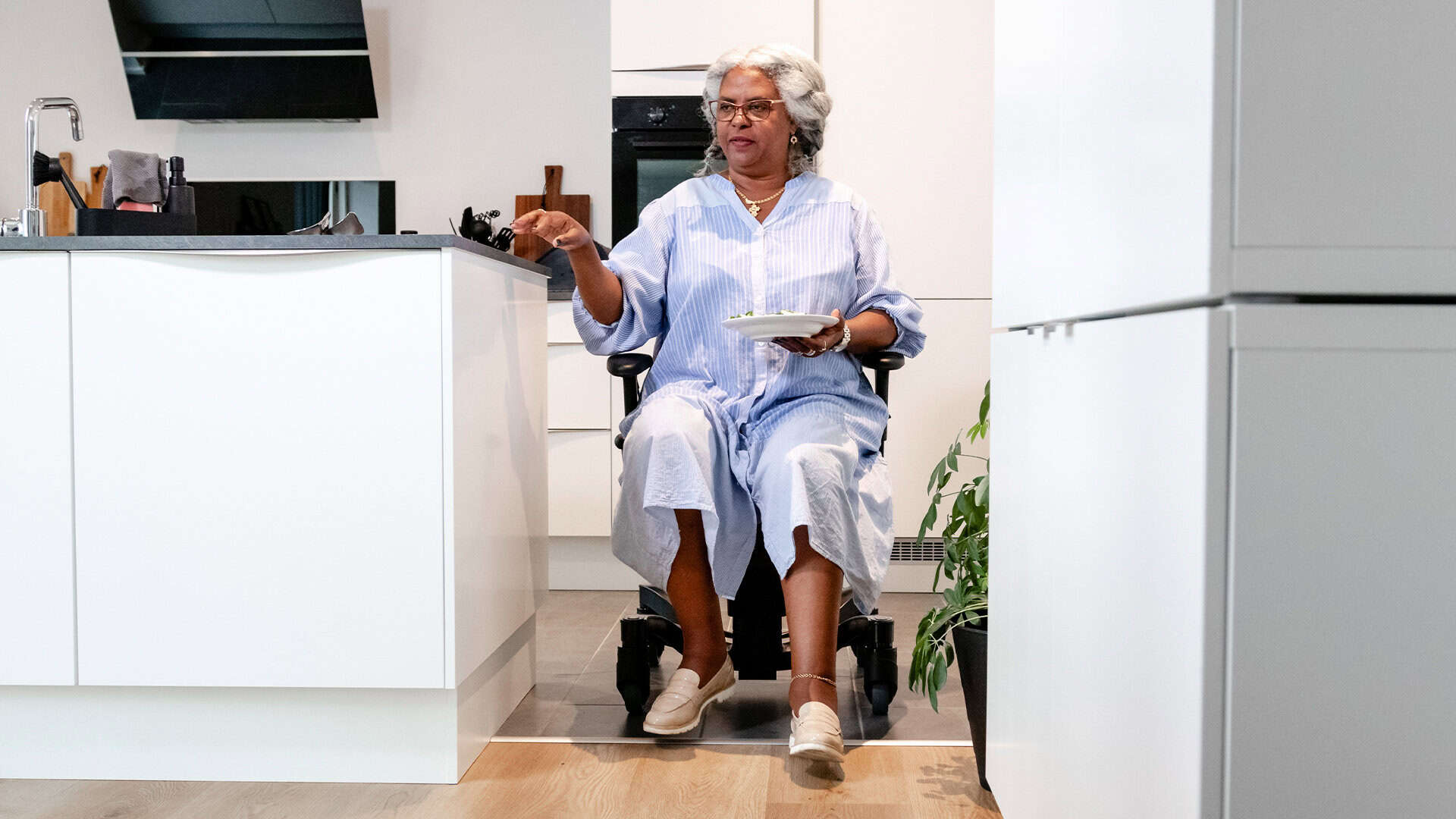
Mobility solutions like the VELA Chair continue to offer a viable alternative to more invasive care settings, enabling older adults to maintain their independence at home. Leading advancements now include AI-powered smart wheelchairs with autonomous navigation and IoT connectivity, allowing for remote monitoring and real-time feedback about user safety and movement. Wearable robotics, powered exoskeletons for severe mobility impairments, and innovative ergonomic materials further enhance physical support and rehabilitation. Current mobility aids are lighter, more customizable, and increasingly part of comprehensive smart home ecosystems that facilitate both independence and reduced caregiver strain. The medically approved VELA mobility chair is engineered for security and ease of movement in everyday settings, supporting daily activities and easing the responsibilities of informal caregivers. These developments promote dignity and autonomy while empowering seniors to take part in daily life safely and comfortably NumberAnalytics.com Cyces.co Envision Community iHealthcare Analyst Provider Magazine AgeInPlaceTech.
Supporting Aging in Place: A Practical Option
VELA Chairs stand out as a practical tool for seniors striving to maintain their independence at home. These chairs feature essential qualities such as a central brake for safety and electric height adjustability, which help users easily transition from one activity to another without the physical strain of standing. Additionally, they provide effortless mobility while seated, thus alleviating the physical exertion required for everyday tasks. Current innovations add AI-assistance, sensor alerts, and even the potential for brain-computer interface control for users with severe paralysis, further expanding the possibilities of maintaining autonomy. For those needing additional support, advanced exoskeletons, wearable robotics, and companion robots assist with complex movements, provide cognitive and social engagement, and address potential isolation or memory challenges AskSamie.com Cyces.co Envision Community iHealthcare Analyst Provider Magazine AgeInPlaceTech.
Imagine a day where, with the aid of a VELA Chair, cooking, cleaning, and relaxing become safe and accessible, preserving both energy and safety. Contrast this with a life without such supportive aids, where daily activities could lead to fatigue and increased risk of accidents. Although VELA is not the only solution, it represents a proven method to extend independent living and delay the transition to nursing homes. Inclusive design and digital literacy programs—supported by evolving health policies—help overcome cost and adoption barriers. Developers increasingly engage seniors directly in the design process (co-creation), ensuring that technologies remain easy to use and effective across various needs, with a focus on privacy and longevity. A growing number of older adults are now embracing these advancements, recognizing technology as essential for caregiving and daily independence NumberAnalytics.com Heisinger Bluffs AARP iHealthcare Analyst Provider Magazine AgeInPlaceTech.