

Updated January 2026: We have updated the article with new insights on AI integration in mobility aids, wearable sensors, robotic power-assist devices, CES 2026 product launches like WheelMove and XSTO AI-powered chairs, and recent trends including AR/VR rehabilitation, haptic navigation wearables, and evolving regulations supporting independent living.
Independent Living in Albertville, Alabama: Exploring Options and Enhancements
Albertville, Alabama, seated in the warm embrace of the South, provides distinctive independent living choices tailored to its vibrant and aging population. With 13.97% of its residents aged 65 and older, the demand for senior living solutions balancing independence with community is on the rise. As highlighted by the U.S. Census Bureau, Albertville’s significant Hispanic or Latino demographic emphasizes the need for culturally sensitive care within its senior living landscape.
Exploring Independent Living Choices in Albertville
Independent living communities in Albertville present various models to meet diverse needs. It’s crucial to differentiate between independent and assisted living: independent living offers a more self-reliant lifestyle, while assisted living involves more direct support. Compared to regional offerings, Albertville’s market uniquely combines independence with community-oriented amenities.
Federal and state guidelines, like those from CMS.gov, mandate that facilities meet safety and resident rights standards. The Alabama Department of Public Health further outlines criteria for staff training and emergency preparedness, ensuring optimum safety and care quality. Regulatory advances in 2025 have also accelerated access to essential assistive devices and technologies, influenced by expanded telehealth services and remote monitoring solutions that support safe, independent living at home.[1]
Typically, seniors transition from their lifelong homes to independent living to enhance safety and social engagement, a need underscored by the National Institute on Aging. This emphasizes environments that foster these elements. Increasingly, modern independent living communities and aging-in-place solutions feature adaptive technology, such as IoT-enabled devices and AI-powered assistants, to create safe, intuitive environments that respond to seniors’ needs in real-time. Recent advancements have further accelerated this trend, with the integration of AI-driven personalization, real-time obstacle avoidance, and smart devices now setting a new standard for independent living environments. Innovations introduced at CES 2026—such as the WheelMove portable wheelchair power-assist system (delivering up to 25 km per charge and set to launch mid-2026), XSTO’s all-terrain AI-powered wheelchairs capable of climbing stairs, and robotic lifts like ReviMo Niko that support bed-to-chair transfers—are dramatically enhancing both mobility and independence.[4], [5], [1] In addition, wearable haptic guidance bands such as Aleye and 3D-printed custom devices support everyday navigation and usability for those with low vision or complex needs. These rapid technology shifts are increasingly supported by evolving EU and North American best practice regulations, emphasizing user empowerment, ethical AI, and expanded access.
Identifying the Right Candidates for Independent Living
Ideal candidates for independent living include seniors managing chronic conditions such as arthritis or heart disease who still value independence. Such residents might require minimal assistance and seek communities offering social interaction and personalized care. A study in the Journal of the American Geriatrics Society highlighted how a senior with arthritis improved her mobility through adaptive living settings.
Recent progress in assistive technology gives seniors access to advanced mobility aids, smart prosthetics, and wearable devices that enhance daily living. Devices such as smart glasses, haptic vests, and AI-driven assistants now provide real-time remote assistance and environmental navigation, integrating conversational interfaces and live video or scene interpretation. The latest innovations extend further, with robotic power-assist wheels, AI-powered obstacle avoidance for wheelchairs, and sip-and-puff systems for powered mobility now widely available. There is also a growing emphasis on AI-driven prosthetics and AR/VR gamified rehabilitation tools that support immersive engagement and functional restoration in community settings such as those in Albertville. Integration of user feedback in device design ensures these solutions remain accessible and user-centered.[1], [3], [4], [5]
Discovering Premier Senior Living Communities in Albertville
Albertville is home to several reputable independent living communities, including Bridgewood Gardens and Lakeshore Senior Living. Bridgewood Gardens boasts pet-friendly accommodations, chef-prepared meals, and wellness initiatives, fostering an enriching environment. Lakeshore Senior Living excels in balancing independence with support, offering tailored care plans and advanced safety features. Testimonials on A Place for Mom and Pegasus Senior Living attest to the engaging settings and attentive staff these communities provide.
Increasingly, independent living environments incorporate user-centered design processes and feedback-driven improvements. Recent technological developments are placing priority on personalized, connected experiences: VR and AR tools are now used both for rehabilitation and to improve navigation and engagement for residents with vision or mobility impairments, with haptic feedback wearables and immersive gamified solutions gaining traction. Updated best practices now recommend routine adoption of these technologies, with regulatory bodies across EU and North America rolling out updated guidelines to ensure privacy, ethical use of AI, and equitable access across communities.[1], [3], [5]
Understanding the Financial Aspects of Independent Living in Albertville
The cost of independent living in Albertville spans from $1,500 to $4,000 monthly, covering amenities and services enhancing the living experience. Families evaluating options should budget with amenities in mind, as they impact affordability, according to Senior Housing Net. The adoption of advanced assistive and smart technologies may influence costs but can offer significant value by enabling greater autonomy, improving well-being, and potentially delaying the need for more intensive care. Future market projections suggest that the assistive technology sector, including mobility aids and smart devices, will grow at a compound annual rate of 6% through 2026, a trend propelled by an aging population as well as the rising prevalence of rehabilitation technologies and AI-powered devices.[1], [2]
Supporting Aging in Place: A Practical Option
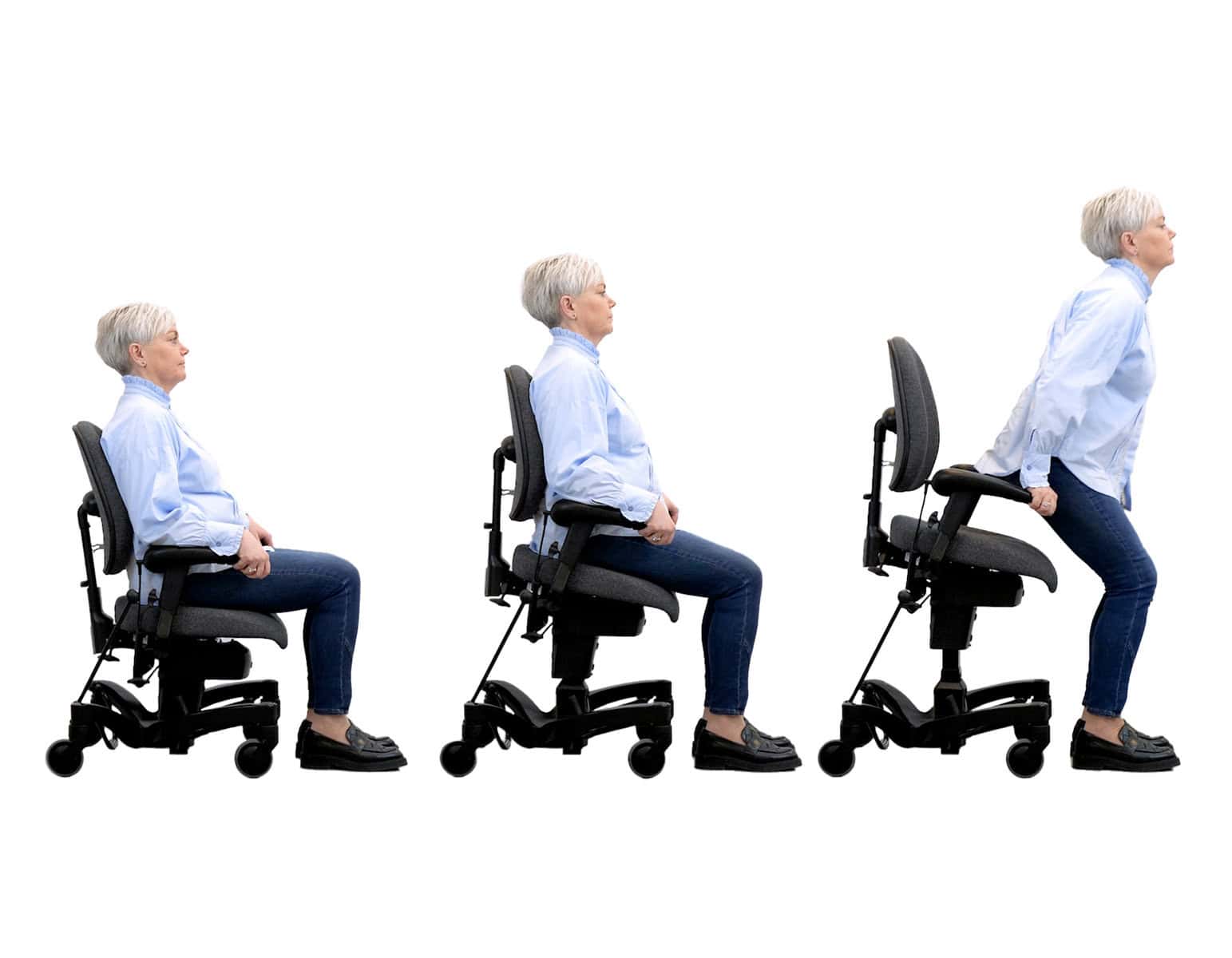
Aging in place is increasingly seen as a desirable alternative to nursing homes, offering comfort, familiarity, and control over daily life. Using supportive equipment like the VELA Independence Chair, seniors can benefit from enhanced safety features such as a central brake and electric height adjustability. This allows for safer transitions and energy conservation, enabling seniors to remain engaged in activities like cooking or relaxing. While other solutions exist, VELA Chairs stand out as a practical choice that can help extend the time seniors spend living independently. Not only does this delay the need for nursing home care, but it also enriches life with dignity and freedom, providing peace of mind to families and caregivers. Enhancing Home Mobility ensures seniors have increased capacity for everyday enjoyment and self-sufficiency.
Recent trends in aging-in-place emphasize the integration of smart home technologies, AI-based monitoring, and connected devices that automatically adapt to health data, environmental changes, or user routines. Latest development spotlights include AI-driven wearable sensors, wheelchair power-assist technology, and ethical AI personalization for daily mobility tasks. Products such as WheelMove and ReviMo Niko are being recognized as pivotal for empowering home rehabilitation and community engagement. In addition, haptic guidance devices and immersive AR/VR remain critical tools in both clinical and everyday settings, with best practice recommendations now calling for gamified rehab and real-time monitoring to boost adherence and engagement. Ongoing regulatory updates and market growth underscore a shift toward more affordable, user-facing devices, while also addressing potential barriers to access and affordability particular to seniors and caregivers.[1], [4], [5], [2]
Sources:
Para Mobility, The Future of Disability Equipment: Trends and Developments in Adaptive Technology
FactMR, Disabled and Elderly Assistive Technology Market Report
Digital Learning Institute, Revolutionising Accessibility: The Role of AI
Mobility Management, CES 2026: 4 Assistive Technology Exhibitors to Watch
Australian Network on Disability, CES 2026 Includes Mobility, Health and Smart Home Tools