

Updated September 2025: We have updated the article to include the latest advancements in AI-powered assistive devices, smart home technologies supporting independence, and revised federal CMS regulations and Five Star rating systems for nursing homes. These changes reflect new standards for technology integration, regulatory compliance, and quality oversight in long-term care environments.
Caring for Loved Ones: Navigating Nursing Home Options in Checotah, Oklahoma
Finding the right nursing home for a loved one is a journey that involves thorough research and consideration. In Checotah, Oklahoma, with its population of approximately 3,057 and a median age of 44.9, families need to weigh both the individual care requirements and the quality of available facilities. The area’s demographic diversity, including a significant population of White (Non-Hispanic) individuals, American Indians, and Alaska Natives, also plays a role in shaping the local care environment according to demographic data from Data USA.
Understanding Nursing Home Options in Checotah, Oklahoma
Navigating nursing home options requires an understanding of the local landscape. Choosing the right facility means ensuring that it aligns with the individualized needs of residents. This doesn’t just mean meeting basic care standards but committing to a nurturing environment. According to the Oklahoma State Department of Health, Checotah Nursing Center is a notable option, yet its 1-star rating from South Tulsa Today highlights areas needing improvement. This rating suggests that prospective residents and their families should scrutinize factors like staff-to-resident ratios and the quality of personal care services.
Facility Ratings and Local Care Standards
Facility ratings offer critical insights into quality, encompassing factors such as health inspections and staff adequacy. At Checotah Nursing Center, the Medicare.gov 1-star rating emphasizes the need for vigilance in assessing overall care quality. The methodologies behind these ratings have seen significant updates: as of April 2025, the federal Centers for Medicare & Medicaid Services (CMS) has revised its Five Star rating system to use only the two most recent standard surveys instead of three, directly impacting public ratings for about 20% of nursing homes nationwide. The latest CMS surveyor guidance now focuses on expanded staffing requirements, enhanced transparency especially in facility chains, better oversight in care delivery, and tougher medication management guidelines Health Industry Washington Watch Paltmed.org The Consumer Voice American Health Care Association. These federal changes were designed to improve transparency, quality, and resident safety standards. It’s essential for families to complement published ratings with personal visits and other firsthand assessments to gain a full understanding of the resident experience at each facility.
Costs, Occupancy, and Special Services: What to Expect
Nursing home costs in Oklahoma can range from $5,000 to $6,500 monthly, in line with national averages. The Oklahoma State Department of Health notes that Checotah Nursing Center has an occupancy rate of roughly 44%, with around 36 residents, which suggests availability but also raises questions about community engagement and care intensity. Many facilities offer specialized services such as rehabilitation and memory care, tailored to meet diverse healthcare needs, though it’s crucial to confirm these offerings during the visitation and evaluation process.
Practical Experience and Scenarios
Families considering nursing home care must often address scenarios that include managing chronic conditions like dementia, requiring both medical and emotional support. Checotah’s facilities are tasked with environments that provide not only clinical care but also personal attention and community spirit. Consideration of small comforts such as communal events, personalized care routines, and dietary preferences can significantly impact quality of life for residents.
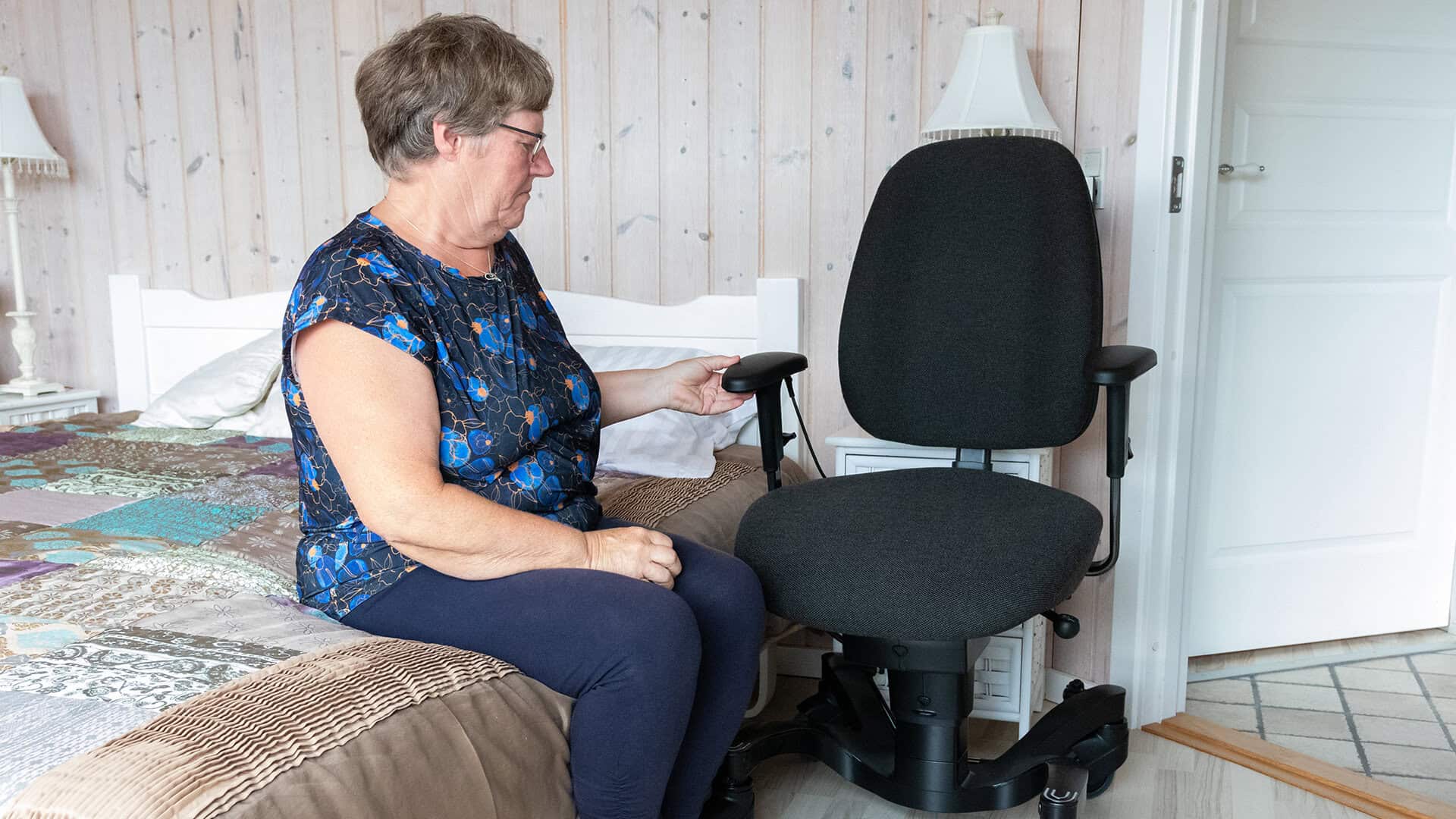
In the landscape of nursing homes, the monotony of long corridors and the constant vigilance required to prevent falls and ensure safety can be daunting. Today, solutions go beyond traditional mobility aids, as the latest generation of assistive technologies now includes AI-powered smart wheelchairs equipped with GPS navigation, collision avoidance, voice controls, Bluetooth connectivity, and real-time health tracking. These advanced chairs adapt to individual needs and can be tailored remotely by caregivers via mobile apps, enhancing both independence and responsiveness to residents’ habits and conditions Everything Medical Online iHealthcareAnalyst.com. Introducing innovations like the VELA Independence Chair, which offers enhanced safety through features like a central brake, further supports daily activities such as cooking, dressing, or transferring, while also easing the burden on informal caregivers. New market trends in assistive mobility devices and the integration of smart technology demonstrate how combining proven solutions with state-of-the-art features can help minimize fall risks, maximize autonomy, and significantly improve the quality of life for residents both in facilities and at home Heisinger Bluffs UnitedHealthcare Community & State Blog.
Supporting Aging in Place: A Practical Option
Mobility solutions like the VELA chairs play a pivotal role in enabling seniors to maintain independence at home, potentially delaying the need for residential care. Alongside such equipment, today’s enabling technologies for aging-in-place include a broad spectrum of smart home devices — voice-activated digital assistants (such as Alexa or Google Assistant), motion-sensing lighting, smart locks, video doorbells, and remote safety monitoring — all of which enhance security, convenience, and fall prevention for older adults living independently Heisinger Bluffs UnitedHealthcare Community & State Blog. These solutions empower seniors to perform daily tasks like cooking or cleaning with minimal strain, thus preserving their dignity and autonomy. The ability to move effortlessly while seated also means conserving energy, enhancing comfort and safety in everyday life. While not the only option available, VELA chairs and other innovative mobility devices represent practical, proven methods for supporting seniors living independently, allowing them to enjoy life to the fullest within the comfort and safety of their own homes.