

Updated January 2026: We have updated the article with the latest trends in AI-integrated assistive technology, smart mobility devices, IoT-connected safety features, personalized health monitoring, and telehealth-enabled assessment. These advancements shift assessment from static checklists to continuous, proactive systems that enhance independence and reduce caregiver burden.
The Essential Guide to Independent Living Scales PDFs
Understanding Independent Living Scales: What They Measure and Why They Matter
As our population ages, the necessity of effective independent living assessments is becoming increasingly critical. Independent Living Scales (ILS) serve as a cornerstone in evaluating an individual’s ability to perform everyday activities necessary for maintaining independence, particularly among seniors and individuals with disabilities. According to Pearson Assessments, their tool provides an essential measure of a person’s capability to care for themselves and their property. These scales are indispensable in healthcare settings, elder care, and rehabilitation by offering insights that tailor care plans to meet specific needs.
From practical experience, seniors facing mobility challenges can substantially benefit from these assessments. For instance, consider a senior named Margaret who discovered, through independent living scales, specific areas where home care adjustments were needed. This led to a more customized and effective care strategy, enhancing her safety at home and improving her quality of life by enabling her to remain independent for as long as possible.
Who Should Use Independent Living Skills Assessments?
Independent living skills assessments have a wide range of applications and can serve groups with distinct needs, particularly seniors aged 65 and older, individuals with disabilities, and those recovering from brain injuries. Such assessments are pivotal in identifying areas where assistance is necessary due to conditions such as Alzheimer’s, mobility impairments, or other conditions.
Imagine a situation involving an elderly parent named John, who is evaluated through these assessments. The results could illuminate potential needs for home adaptations or additional caregiver support. Consequently, families can make informed decisions about their loved one’s current living situation and future care strategies. For detailed insights into employing independent living skills assessments, refer to the Washington State DSHS – Life Skills Inventory.
What Domains Are Evaluated?
Independent living scales cover various domains crucial to daily living and independence, including:
- Financial Management: Understanding and managing personal finances.
- Personal Care: Daily self-care routines.
- Health and Safety: Management of medications and ensuring home safety.
- Transportation: Safe navigation of public or personal transportation.
Each area is critical for maintaining self-sufficiency. For example, a senior named Clara could initially struggle with financial literacy, but through assessment, receive guidance that significantly enhances her ability to manage money independently. This understanding is supported by tools like the Traumatic Brain Injury Model System – ILS PDF, which outlines detailed approaches to evaluating these domains.
Integrating Assistive Devices: The Role of VELA Chairs in Home Care
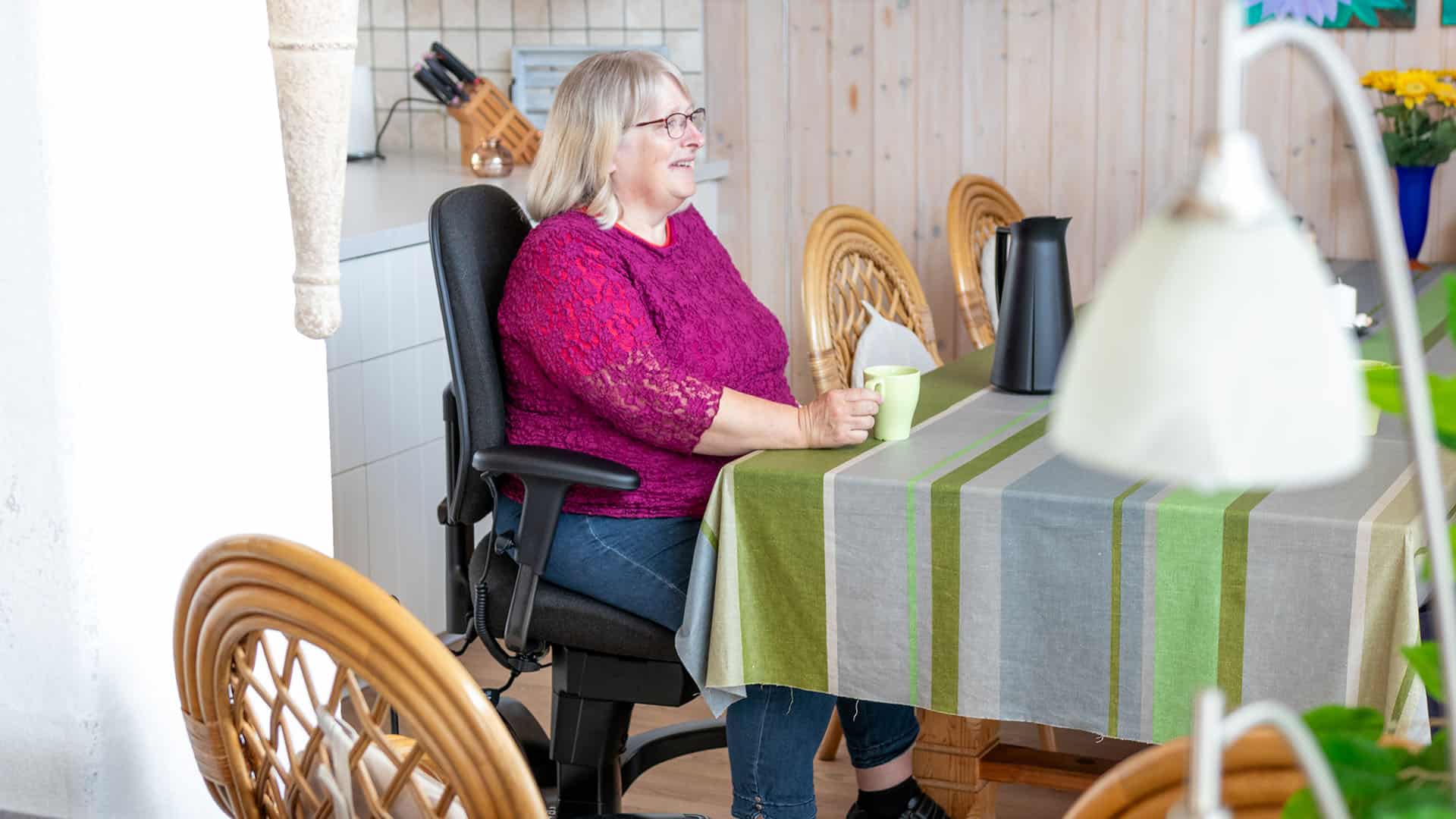
When considering the challenges faced by seniors and the desire to maintain independence outside of nursing homes, incorporating effective solutions becomes paramount. One such solution involves the use of VELA Independence Chairs. These medically approved mobility chairs are designed specifically for home use, providing enhanced safety and freedom of movement while seated. The VELA chair supports daily activities such as cooking, dressing, and transferring by offering stability and reducing the physical load on informal caregivers, thereby extending the time someone can remain in their own home.
Reaffirming the Importance of Independent Living Scales in Senior Care
The insights from independent living scales highlight their significance in planning senior home care. These tools enable caregivers to understand and cater to diverse needs effectively. As emphasized by Pearson Assessments, leveraging these scales ensures that care plans are adaptable and reflective of the nuanced requirements of aging populations.
New Developments in Assistive Technology and Their Impact on Independent Living
Recent advances have transformed the landscape of independent living support. AI-integrated mobility devices—including connected wheelchairs, walkers, and scooters—now feature embedded sensors to monitor usage, detect falls, and communicate in real time with caregivers and healthcare providers Keyway Medical PMC/NCBI Age in Place Technology. Powered wheelchairs equipped with AI now adjust speed and braking in response to a user’s movement and the terrain, while voice-activated controls have become standard for hands-free use ButterflyMX.
Modern smart home ecosystems further support independence by integrating environmental sensors, lighting, and grab bars with caregiver apps, enabling active monitoring and real-time risk alerts. Such systems go beyond passive safety, using predictive analytics to proactively identify and address fall or health risks Heisinger Bluffs. Telehealth solutions increasingly allow care teams to monitor device usage, health metrics, and medication adherence remotely—empowering early intervention and reducing the need for in-person evaluations.
Assessment technology is moving from static, point-in-time checklists to dynamic, continuous health coaching. Connected mobility and safety devices offer AI-driven insights into behavioral trends like exercise, hydration, and mood, delivering personalized interventions and supporting holistic well-being ThinkBeyondTheChair.org Equal Accessibility LLC. These integrated systems expand the scope of traditional assessments, providing actionable feedback that adapts to changing needs.
Emerging technologies such as powered exoskeletons and AI-powered assistive glasses have begun to redefine what independent living means—even for those with significant mobility or sensory challenges Age in Place Technology. These innovations provide direct navigation assistance or autonomous transport, demonstrating how modern solutions operate as part of broader, smart home-based care networks.
Importantly, these developments also reduce caregiver burden by enabling remote supervision and automated alerts, ensuring support is both timely and less intrusive. As a consequence, assessments of independence now factor in not only the user’s capability, but also how technology coordinates with care resources to promote dignity, autonomy, and enhanced safety Next Market Research Report. This shift is central to the rapidly evolving field of independent living support.
How Mobility Solutions Like VELA Make a Difference
Utilizing mobility solutions such as VELA chairs can profoundly impact an individual’s ability to stay independent at home. Features such as a central brake for safety, electric height adjustability, and ease of movement while seated are specifically designed to address challenges like safety risks and energy depletion. By offering stable support during activities like cooking and cleaning, VELA chairs help extend the timeframe before a nursing home becomes necessary. They provide a sense of dignity and freedom for seniors striving to maintain their autonomy. For more information on these vital features, visit the VELA Independence Chair page. By investing in such practical solutions, families can ensure a safer and more comfortable living environment for their loved ones, promoting longevity at home. Although VELA is a proven option, it is one of many solutions in the spectrum of eldercare alternatives, reflecting the diverse needs and preferences of aging individuals.