

Updated January 2026: We have updated the article to clarify that no substantive new clinical research or regulatory guidance has emerged since the last revision. The update maintains best practices for creating activity calendars in nursing homes and continues to highlight commercial solutions and general approaches found in recent sources.
Updated September 2025: We have updated the article to reflect the latest advancements in smart AI-powered assistive devices, integrated sensor technology, and adaptive rehabilitation supports, as well as clinical guidelines emphasizing personalizable, connected solutions for mobility and memory care.
Enhancing Life with Elderly Nursing Home Activity Calendar Ideas
Creating an engaging and effective activity calendar is crucial for enhancing the quality of life for residents in nursing homes. Activities not only foster a sense of community but also contribute significantly to the mental and physical well-being of elderly residents. According to Medicare.gov, structured activities play an essential role in improving seniors’ overall health. The right mix of elderly nursing home activity calendar ideas can make a significant difference in residents’ daily lives.
Why Activity Calendars Matter in Nursing Homes
Activity calendars in nursing homes are not just about filling time; they are about enriching lives. Well-planned activities address mental, physical, and social health, in line with Centers for Medicare & Medicaid Services (CMS) regulations, which require an ongoing program of activities tailored to residents’ interests and well-being, facilitated by qualified professionals. Structured activities help prevent isolation and boost engagement, which is crucial for mental health. Testimonials from caregivers often reveal improved moods and behaviors in residents engaged in regular activities, as reported by Spring Hills Senior Living. These positive changes underscore the importance of thoughtful activity programming in nursing homes.
Key Components of a Successful Activity Calendar
Designing an effective activity calendar involves including a variety of activities that cater to diverse interests and abilities. Key components of a successful calendar include:
- Variety: Offer a mix of physical, cognitive, and social activities. Examples include group chair yoga, bingo nights, storytelling, and brain games like sudoku or crosswords. These activities cater to different interests and challenge various cognitive and physical skills. Recent advancements encourage the use of smart, AI-integrated mobility devices, such as intelligent wheelchairs with features like real-time health monitoring, GPS, and voice activation, which support autonomy and active participation in group activities.[1] [2]
- Inclusivity: Ensure activities are accessible to all residents. Regular meetings with residents to gather feedback help tailor activities to meet their preferences, ensuring everyone has a voice in the planning process. Integration of lightweight, ergonomic, and connected mobility aids further improves accessibility for residents with varying needs.[3]
- Adaptability: Regular updates and flexibility in scheduling allow the calendar to meet changing interests and capabilities. This might include moving an activity like a gardening club indoors in poor weather conditions or offering art workshops at different times. Incorporating feedback regarding the comfort and usability of smart assistive devices can help ensure all residents are empowered to join in.[2]
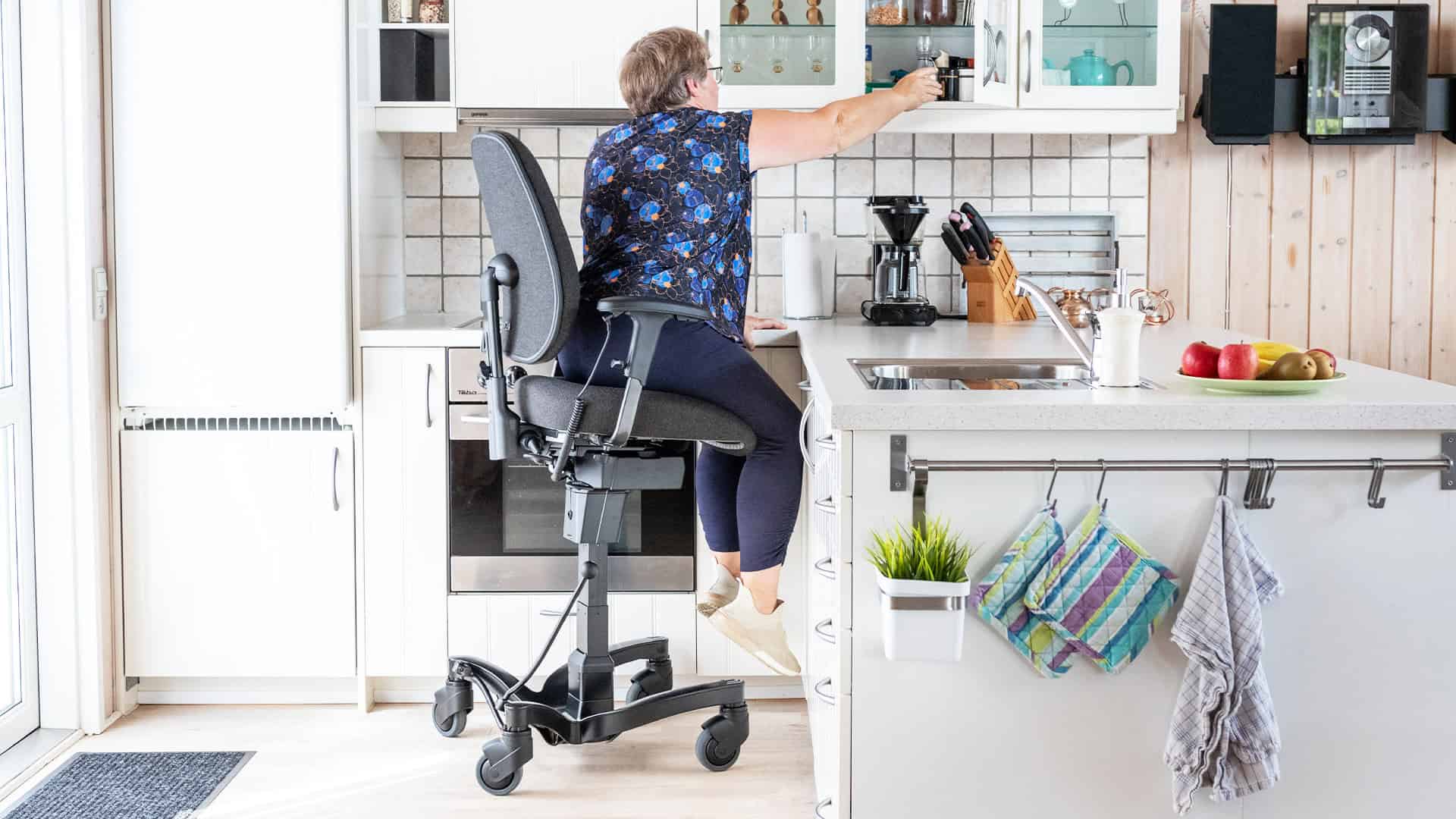
According to Two Hearts Home for Seniors, creating a senior-assisted living activity calendar includes understanding the diverse needs of residents, from those who enjoy energetic exercise classes to those who prefer quiet, meditative activities such as painting or crafting. The transition to solutions that help older adults remain independent in their own homes is crucial, as it acknowledges the importance of maintaining autonomy and dignity outside of institutional care settings. One such solution is the VELA Independence Chair, a medically approved mobility chair designed for use at home. This chair provides enhanced safety, freedom of movement while seated, and support for daily activities like cooking, dressing, or transferring — all while reducing the load on informal caregivers.
Creative Activity Ideas for Elderly Nursing Home Residents
Infusing creativity into activity planning keeps residents engaged and excited. Consider these innovative ideas:
- Gardening: Offers a therapeutic and satisfying experience, which can be adapted for indoor or outdoor spaces using raised planters for ease of access. Incorporating ergonomic, lightweight tools or smart supports ensures inclusivity.[2]
- Pet Therapy: Interaction with animals like dogs, cats, or even birds can provide comfort and companionship, bringing joy and improved emotional well-being.
- Music Hours: Residents can enjoy live performances or participate in sing-alongs and music appreciation sessions, which serve as forms of cognitive stimulation and offer emotional benefits. New practices increasingly incorporate sensory stimulation, such as music or aromatherapy, as beneficial especially in memory care.[4]
- Art Workshops: These encourage creativity and self-expression, with accommodations such as adaptive paintbrushes, non-slip easels, and technology-assisted crafting tools. Sensory engagement approaches, like tactile crafts and familiar home activities (e.g., cooking or aromatic crafts), are especially valuable for those in memory care, supporting both emotional and cognitive wellbeing.[4]
- Technology-Enhanced Activities: Leverage smart mobility aids that integrate with mobile apps or voice controls, enabling residents to participate in activities with greater independence and safety. Facility programs now frequently include tech-assisted cognitive games and physical activities adapted to smart assistive devices.[1]
Real-life calendars from facilities like Sonida Senior Living show the success of such diverse activities, reinforcing a sense of community and belonging among residents.
Tips for Customizing and Updating Your Activity Calendar
Regularly updating the activity calendar is essential to keep it relevant and engaging. It helps reflect residents’ evolving preferences and keeps them motivated. Strategies to enhance participation include:
- Encouraging Feedback: Residents are encouraged to share their thoughts on existing activities and suggest new ideas, ensuring the calendar remains dynamic and resident-centered. Ongoing adoption of new smart assistive devices, with features that adapt to individual needs, reinforces a responsive approach to programming.[3]
- Evaluating Effectiveness: Regularly assess which activities are most popular and beneficial, potentially through periodic surveys or observation, to refine future programming. Integration of user feedback regarding comfort, safety, and usability of new mobility aids supports continuous improvement.[1]
- Customization: Tailor activities to suit different capability levels by consulting occupational therapists, ensuring everyone has the opportunity to participate. This may involve modified exercises, simplified versions of games, or the inclusion of adaptive technologies to maximize participation among all residents. Facilities may also tap into updated guidance and national observance weeks, such as those championed by the American Health Care Association, for inclusive celebration ideas and broader community engagement.[5] [6]
According to Not Just Bingo, personalized activities have been shown to significantly increase both participation and satisfaction.
Supporting Aging in Place: A Practical Option
VELA Chairs, while not the only mobility aid available, offer a practical and proven solution for supporting seniors who wish to remain independent at home. The chair’s unique design features, such as a central brake for safety and electric height adjustability, are instrumental in preventing falls and easing movement. This not only conserves energy but also extends the ability for seniors to accomplish daily tasks like cooking or cleaning. By reducing the need for transitions to more dependent living arrangements, VELA Chairs effectively delay potential moves to nursing homes. Life with a VELA Chair offers dignity and freedom, supporting not just mobility but a continued lifestyle of engagement and comfort in a familiar environment, as detailed in supporting seniors living independently. While alternatives exist, the value of such dedicated seating solutions lies in their ability to combine safety, ease, and independence, creating a more vibrant day-to-day living experience. Recent advancements in assistive technology for aging in place further empower seniors, with newer devices focusing on user-centric design, enhanced ergonomics, and seamless integration into daily routines.[2]
Updated Sources for 2025:
- James Medical – Smart Wheelchairs: Features to Look for in 2025
- iHealthcare Analyst – Geriatric Assistive Devices Market: Trends, Technologies & Outlook
- ARHomeCare – 7 Must-Have Assistive Devices for Elderly Parents in 2025
- UF Aging Online – Assistive Technology Devices Helping Seniors Age in Place
- American Health Care Association – 2025 National Skilled Nursing Care Week Planning Guide and Resources
- Innovations in Mobility Aids for Seniors (Apr 2025) – Amada Senior Care
- Smart Wheelchairs & Mobility Aid Trends 2025 – Everything Medical Online
- The Role of Assistive Devices in Enhancing Daily Living Support – Breeze Hospice Services
- Memory Care Activity Calendar Examples and Sensory Engagement Benefits – Aravilla Clearwater
- AHCA/NCAL 2025 Healthcare Observances Calendar (Jan 2025)