

Updated January 2026: We have updated the article with the latest changes regarding the repeal of federal minimum staffing requirements for nursing homes, major 2026 trends in nursing home careers such as growth in technology-enabled and virtual care roles, new projections for nursing and support positions, expanded workforce models, and an increased organizational focus on mental health and nurse wellbeing.
Nursing Home Positions: A Comprehensive Guide to Opportunities and Careers
In today’s evolving healthcare landscape, understanding the diverse positions within nursing homes is crucial for job seekers, students, and families alike. Whether you’re exploring career opportunities or trying to grasp how these facilities operate, knowing the roles and responsibilities that sustain them is essential. The stakes are high, particularly with recent changes such as the 4.2% increase in Medicare Part A payments to Skilled Nursing Facilities (SNFs), which bring approximately $1.4 billion in additional funding for Fiscal Year 2025. According to Centers for Medicare & Medicaid Services, this surge in funding directly impacts staffing and job openings, increasing the demand for various nursing home positions.
Clinical Nursing Positions in Skilled Nursing Facilities
Clinical roles in nursing homes are the backbone of patient care. Positions like Registered Nurses (RNs), Licensed Practical Nurses (LPNs), Certified Nursing Assistants (CNAs), and Nurse Practitioners (NPs) are indispensable. Recent advances in nursing home operations include growing integration of artificial intelligence (AI) and telehealth. AI assists with clinical decision support and operational tasks such as staff benefits and payroll, improving efficiency and enabling higher quality care. These technologies require nurses to adapt and develop advanced digital skills, while also expanding career opportunities for those with specialized technological and rehabilitative expertise.[1][3]
-
Registered Nurses (RNs): Often responsible for developing care plans and administering medication, RNs must hold a nursing degree and pass a licensing exam. According to Indeed.com Career Resources, salaries for RNs can vary widely but typically range from $60,000 to $80,000 annually depending on experience and location. RNs play a pivotal role in managing resident care, ensuring that individual health needs are met through personalized care plans. With the implementation of new CMS surveyor guidance and quality measures in 2025, RNs and other clinical staff now adhere to clarified policies regarding admission, discharge, medication use, and infection control.[4][8]
-
Licensed Practical Nurses (LPNs): LPNs provide direct patient care, including medication administration and wound care, under the supervision of an RN or physician. They typically require a diploma in practical nursing and a state license. LPNs often manage daily health assessments, monitoring for changes in residents’ conditions. The consistent shortage of RNs and LPNs has intensified competition for qualified staff, especially those skilled in rehabilitation and the use of assistive technologies. Workforce projections expect 5% job growth for RNs and 3% growth for LPNs through 2034 as new specialized career pathways emerge.[7][1]
-
Certified Nursing Assistants (CNAs): CNAs assist with activities of daily living (ADLs) such as bathing and eating. A state-approved certification program and exam are necessary for this role. CNAs are frequently the primary caregivers and perform tasks critical to maintaining resident hygiene and comfort. Their role remains central in expanded care teams supporting increasingly diverse and tech-driven service models.
-
Nurse Practitioners (NPs): As advanced practice nurses, NPs have diagnostic and prescriptive authority. Their role often focuses on patient assessments and chronic condition management. According to BOS Medical Staffing, these roles offer ample opportunities for career advancement through continued education and specialization. The latest workforce trends see expansion of NP scope-of-practice and rising demand for NPs in team-based care models and community-based or virtual settings.[1]
In a typical nursing home setting, clinical staff must adapt to various resident needs, ranging from mobility assistance to complex medical management, often working in collaboration with therapy and support teams to deliver holistic care. AI and digital health tools increasingly assist staff in workflow management and care planning, underscoring the need for adaptability and digital literacy among clinical team members. The repeal of federal minimum staffing requirements, effective February 2026, has also influenced workforce planning, allowing facilities to consider a wider variety of team-based and technology-driven models without federally mandated minimums.[2]
New career opportunities now include growth in virtual nursing roles (tele-triage, remote monitoring, and care coordination), technology-enabled positions, and non-traditional settings such as home health, outpatient clinics, and public health organizations.[1]
Rehabilitation and Therapy Positions
Nursing homes also rely heavily on rehabilitation and therapy teams, comprising Physical Therapists (PTs), Occupational Therapists (OTs), and Speech-Language Pathologists (SLPs). These professionals play a vital role in maximizing residents’ independence and quality of life. Recent CMS regulatory updates have reinforced higher standards for rehabilitation and inclusive, resident-centered care. Facilities are increasingly adopting ergonomic products and assistive technologies to support mobility and everyday functioning.[4]
-
Physical Therapists (PTs): PTs implement rehabilitation programs aimed at restoring mobility and reducing pain. With a strong job growth projection, this position often requires a Doctorate in Physical Therapy. PTs work closely with residents who have suffered injuries or illnesses that restrict movement, tailoring exercise plans to improve strength and coordination. The introduction of new, ergonomically designed assistive products enhances their ability to deliver effective rehabilitation while reducing risks for both staff and residents.
-
Occupational Therapists (OTs): OTs assist residents in performing daily activities and improving their cognitive and physical abilities. A Master’s degree in Occupational Therapy is typically required. They enable residents to regain skills necessary for independent living, often utilizing adaptive equipment to enhance the therapeutic process and to comply with updated rehabilitation standards.[4]
-
Speech-Language Pathologists (SLPs): SLPs focus on communication disorders and swallowing difficulties, essential in addressing the diverse needs of elderly residents. They create personalized treatment plans that help residents improve both verbal and non-verbal communication skills, crucial for maintaining social interactions and quality of life.
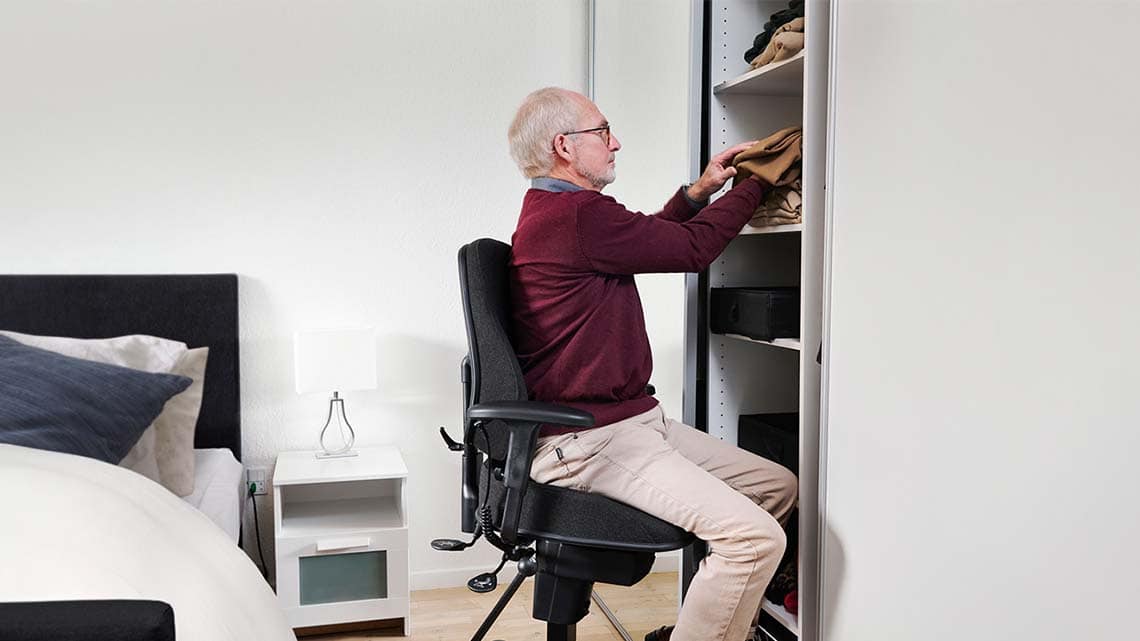
Addressing these various challenges involves integrating cutting-edge solutions that empower residents to maintain their independence and support nursing staff. One such innovation is the VELA Independence Chair, a medically approved mobility chair designed for home use. The VELA chair enhances safety and freedom of movement while seated, supporting daily activities like cooking, dressing, or transferring, all while easing the burden on informal caregivers. Adoption of ergonomic seating and mobility aids aligns with CMS’s ongoing focus on rehabilitation and person-centered care in long-term care settings.[4]
Administrative and Support Staff Roles
Administrative and support staff are vital to the smooth operation of nursing homes. Roles include the Director of Nursing, Administrative Coordinators, and Dietitians, each critical to managing the facility’s day-to-day functions. As part of the most recent CMS guidance, medical directors and other administrative leaders face updated regulatory expectations related to quality assurance, infection control, and resident admissions and discharges. Increasingly, administrative roles require proficiency with digital record systems, payroll, and AI-supported operational management to enhance efficiency and compliance.[4][3]
-
Director of Nursing: Oversees nursing staff, ensuring compliance with healthcare regulations and high standards of care. This role is pivotal in maintaining the quality and safety of patient care, requiring not only nursing experience but also strong leadership skills and understanding of the revised CMS policies.[4]
-
Administrative Coordinators: Manage clerical tasks and provide support to clinical staff, maintaining the necessary organization for effective operation. They handle scheduling, record-keeping, and communication duties, essential for seamless facility management. Digital fluency is increasingly important in this position as more nursing home operations are powered by digital platforms and AI tools.[3]
-
Dietitians: Responsible for planning nutrition programs and managing dietary requirements, ensuring residents receive balanced meals. Dietitians work closely with clinical staff to develop meal plans that accommodate medical conditions and personal preferences, enhancing residents’ overall health and satisfaction.
According to Indeed.com Career Resources, these positions not only offer competitive salaries but also provide pathways for career advancement into senior management roles. Administrative models are also changing in response to expanded team-based care, flexibility in staffing patterns, and the removal of some federal minimum staffing requirements.[2]
Maintenance and Housekeeping Positions
The importance of maintenance workers and housekeeping staff cannot be overstated. They ensure that nursing facilities remain safe and clean, directly impacting resident well-being. Enhanced infection control standards have become a CMS focus, with clear regulatory expectations around cleanliness and facility upkeep.[4]
-
Maintenance Workers: Keep the facility infrastructure safe and operational. They undertake routine repair and maintenance tasks, addressing anything from HVAC systems to emergency repairs, ensuring a safe environment.
-
Housekeeping Staff: Maintain cleanliness and sanitation standards, creating a comfortable environment for residents. Housekeeping staff play a crucial role in infection control, implementing stringent cleaning protocols to protect vulnerable residents and directly supporting compliance with recent CMS infection prevention standards.[4]
As stated by insights from BOS Medical Staffing, these roles are crucial in maintaining the quality of life within the facility, providing an essential foundation for all other functions.
Enhancing Resident Care with Innovative Solutions
As nursing homes continue to evolve, integrating advanced solutions such as VELA chairs alongside traditional nursing roles enhances both care delivery and resident autonomy. These chairs provide crucial support in mobility and daily living activities, ensuring that residents maintain a higher degree of independence. Use of such ergonomic assistive devices is increasingly encouraged by modern rehabilitation and inclusive care guidelines.[4]
Supporting Aging in Place: A Practical Option
Mobility solutions like the VELA Independence Chair offer an impactful way for elderly individuals to remain in their homes longer, promoting a sense of dignity and autonomy. Featuring a central brake for enhanced safety, electric height adjustability, and the ability to move effortlessly while seated, the VELA Chair provides substantial benefits that delay the need for nursing home care. This chair is particularly beneficial during daily tasks such as cooking or dressing, conserving energy and reducing the risks associated with transfers. By minimizing caregiver strain and enhancing resident confidence, the VELA Independence Chair supports a more independent lifestyle at home. While it is not the only available option, it stands out as a proven and practical solution among mobility aids. For more insights, visit Mobility Solutions for Seniors.
Recent Regulatory and Care Quality Updates
The Centers for Medicare & Medicaid Services (CMS) initiated several significant legislative and regulatory updates in 2025. These updates include revised surveyor guidance that clarifies the roles of medical directors, establishes clearer admission and discharge processes, tightens standards for medication use, and heightens infection control expectations in long-term care facilities.[2][4][8] Furthermore, the CMS Nursing Home Care Compare Five Star rating system was updated in July and October 2025: only the two most recent standard surveys are now factored into star ratings, chain-level average ratings are published, and COVID-19 vaccination data is no longer included in reporting.[6] In December 2025, the CMS repealed the federal minimum staffing requirements for nursing homes, effective February 2026. This major policy shift removes previous mandates for daily direct care hours and 24/7 RN coverage, allowing facilities greater flexibility in designing their staffing models.[2]
Newly emerging workforce and career trends in nursing home care now include expansion of nurse and support staff roles into fields such as virtual care, team-based models with broader scope of practice, and increased focus on staff wellness. Organizations are prioritizing mental health, burnout prevention, and retention with dedicated wellness and peer support programs.[1]
Sources
- Vivian Health, “Top 5 Nursing Trends Shaping Healthcare in 2025,” 2024-11-25 https://www.vivian.com/community/industry-trends/trends-in-nursing-shaping-healthcare/
- CMS, “Recent Legislative and Regulatory Updates for Long-Term Care Facilities,” QSO-25-NH, 2025-07-22 https://www.healthindustrywashingtonwatch.com/2025/07/articles/department-of-health-and-human-services/recent-legislative-and-regulatory-updates-for-long-term-care-facilities/
- Empeon, “2025 Trends for Skilled Nursing and Home Healthcare,” 2024-12-19 https://empeon.com/blog/2025-trends-for-skilled-nursing-and-home-healthcare/
- CMS, “CMS Announces Key Revisions to Nursing Home Surveyor Guidance 2025,” 2024-11-22 https://paltmed.org/news-media/cms-announces-key-revisions-nursing-home-surveyor-guidance-2025
- Davis & Elkins College, “Why the Nursing Field is Expected to Grow by 2025,” 2025-01-29 https://www.dewv.edu/why-the-nursing-field-is-expected-to-grow-by-2025-key-trends-and-opportunities/
- CMS, “CMS Makes Updates to Nursing Home Care Compare and Five Star,” 2025-06-18 https://www.ahcancal.org/News-and-Communications/Blog/Pages/CMS-Makes-Updates-to-Nursing-Home-Care-Compare-and-Five-Star-.aspx
- AARC, “Health Care Recruitment Trends for 2025,” 2025-01-14 https://www.aarc.org/news/health-care-recruitment-trends-for-2025/
- CMS, “Revised Long-Term Care (LTC) Surveyor Guidance,” 2025-03-10 https://www.cms.gov/medicare/health-safety-standards/quality-safety-oversight-general-information/policy-memos/policy-memos-states-and-cms-locations/revised-revised-long-term-care-ltc-surveyor-guidance-significant-revisions-enhance-quality-and-0